
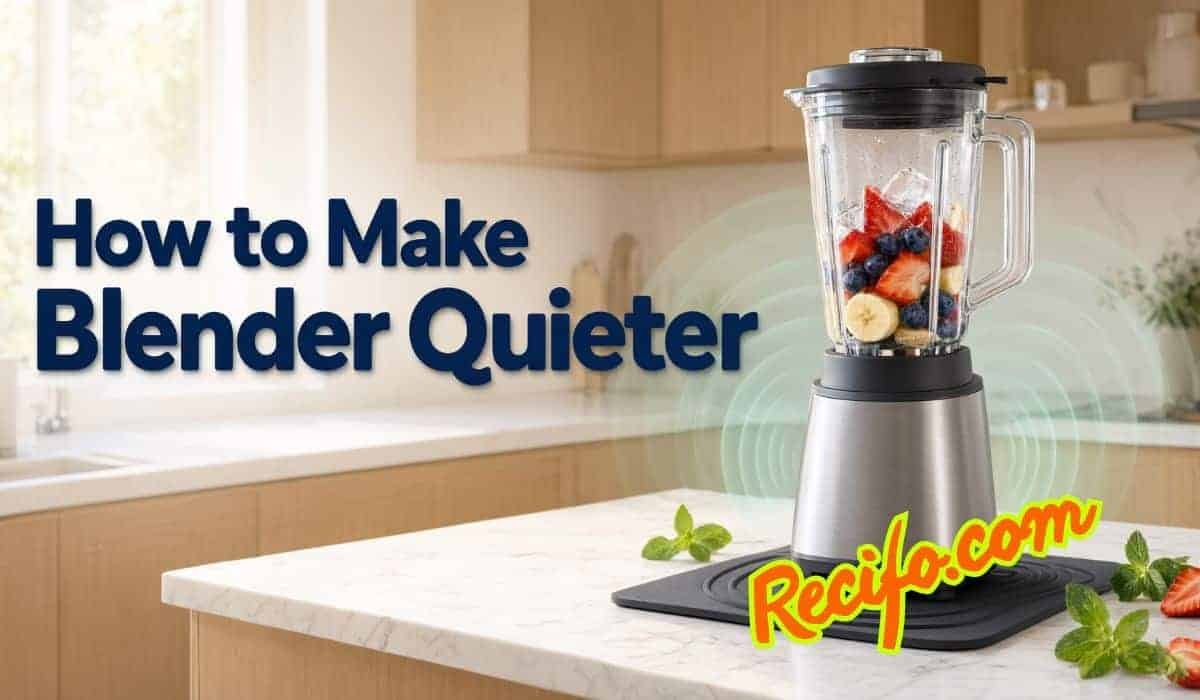

A blender can make a loud noise that fills the kitchen and even disturbs others in the house. If you want to make your blender quieter, there are several methods you can try. These methods range from simple, low-cost adjustments to buying new parts or accessories.
Below, you’ll find practical guidance to help reduce your blender’s noise so you can blend with less disturbance.
Table of Contents
Why Are Blenders So Noisy?
The main reason blenders are loud is their powerful motor. Most household blenders use motors ranging from 300 to 1500 watts. When spinning at high speed, they create vibrations and friction. The blades also hit hard food items, adding extra sound. The materials of the blender jar—usually glass or plastic—do not absorb much noise.
Another factor is the surface the blender sits on. Hard countertops reflect sound, making the noise louder. If your kitchen has tiles or stone, sounds can bounce and spread even more.
Easy Ways To Make Your Blender Quieter
You don’t need to buy a new blender to reduce noise. Start with these simple changes:
1. Move The Blender Away From Walls.
Walls reflect sound. Place the blender in the middle of your counter to reduce echo.
2. Use A Rubber Mat Or Pad.
Put a thick rubber or silicone mat under the blender. This absorbs some of the vibrations and reduces noise. Even a folded kitchen towel can help, but rubber works best.
3. Tighten Loose Parts.
Check if the jar, lid, or base is loose. Tight parts vibrate less and make less sound.
4. Blend At Lower Speeds.
Start blending on a low setting. High speed creates more noise. Increase speed only when needed.
5. Cut Food Into Smaller Pieces.
Hard, large pieces make the motor work harder and louder. Cut fruits and vegetables into small chunks before blending.
6. Add Liquid First.
Pour liquids like milk or water before adding solids. This helps the blades move smoothly and reduces noise.
These steps can make a noticeable difference, especially when combined.
Advanced Solutions For Reducing Blender Noise
If you want an even quieter experience, consider these more effective options:
Sound Enclosure Box
Some high-end blenders come with a sound shield or enclosure. This is a plastic box that fits over the blender jar, blocking much of the sound.
You can also buy universal blender sound enclosures online. These cost between $30 and $150, depending on size and quality. Always check if the enclosure fits your blender model.
Invest In A Quieter Blender
Manufacturers now offer quiet blenders designed for noise reduction. They use better insulation, slower motors, and improved jar designs. These models are often used in coffee shops and juice bars.
Here’s a comparison of standard blenders and quiet models:
| Feature | Standard Blender | Quiet Blender |
|---|---|---|
| Average Noise Level | 85–95 dB | 65–75 dB |
| Sound Enclosure | No | Yes |
| Price Range | $40–$200 | $150–$600 |
A quiet blender can be a good choice if you blend often or live in a shared space.
Replace Worn Parts
Old or damaged blades and bearings can make the blender louder. If you hear unusual grinding or rattling, check these parts. Most brands sell replacements that are easy to install.
Build A Diy Sound Barrier
If you’re handy, you can make a small sound shield using thick foam boards or acoustic panels. Surround the blender on three sides while leaving space for air to circulate. This can absorb and block some of the sound.
Common Mistakes When Trying To Quiet A Blender
Many people try things that don’t work or can even damage the blender:
- Wrapping the blender in towels or blankets: This blocks airflow and can cause the motor to overheat.
- Oiling the motor: Motors are sealed and do not need extra oil. Adding oil can damage them.
- Ignoring manufacturer instructions: Always read the manual before making changes.

How Much Quieter Can Your Blender Get?
You can’t make a blender completely silent, but with the right steps, you can reduce noise by 10–30 decibels. For example, blending on a mat and using a sound enclosure can bring noise from 90 dB down to 65–70 dB. That’s about as loud as normal conversation, instead of a busy road.
Here’s a quick comparison of different noise levels:
| Noise Source | Average dB |
|---|---|
| Normal conversation | 60–70 |
| Standard blender | 85–95 |
| Quiet blender | 65–75 |
| Vacuum cleaner | 75–85 |
Extra Tips For Blending At Odd Hours
If you blend early in the morning or late at night, consider these ideas:
- Choose recipes with more liquid: Smoothies and soups blend more quietly than thick mixtures like nut butters.
- Use a dedicated blending space: If possible, blend in a pantry or closed room.
- Alert family or housemates: Let others know you’ll be using the blender to avoid surprises.

Frequently Asked Questions
How Loud Is A Typical Blender?
Most home blenders run at 85–95 decibels. This is as loud as heavy city traffic or a lawnmower.
Can I Use A Box Or Container To Cover My Blender?
Yes, but make sure there’s enough airflow. Covering the blender completely can cause it to overheat. Buy a proper sound enclosure or leave space for air.
Are Glass Jars Quieter Than Plastic Jars?
Glass jars can sometimes reduce noise a little because they are heavier and vibrate less. However, the difference is usually small.
Is It Safe To Put Foam Or Insulation Around My Blender?
Only if the insulation does not block the ventilation. The blender’s motor needs air to stay cool. Never wrap the base tightly.
Which Blender Brands Are The Quietest?
Some brands known for quieter models include Vitamix, Blendtec, and Hamilton Beach. Look for models with “quiet” or “sound enclosure” in their name.
Last Word
Lowering your blender’s noise takes some effort, but the results are worth it. With the right mix of quick fixes and smart upgrades, you can enjoy smoothies and soups without waking up the whole house.
Leave a Reply