
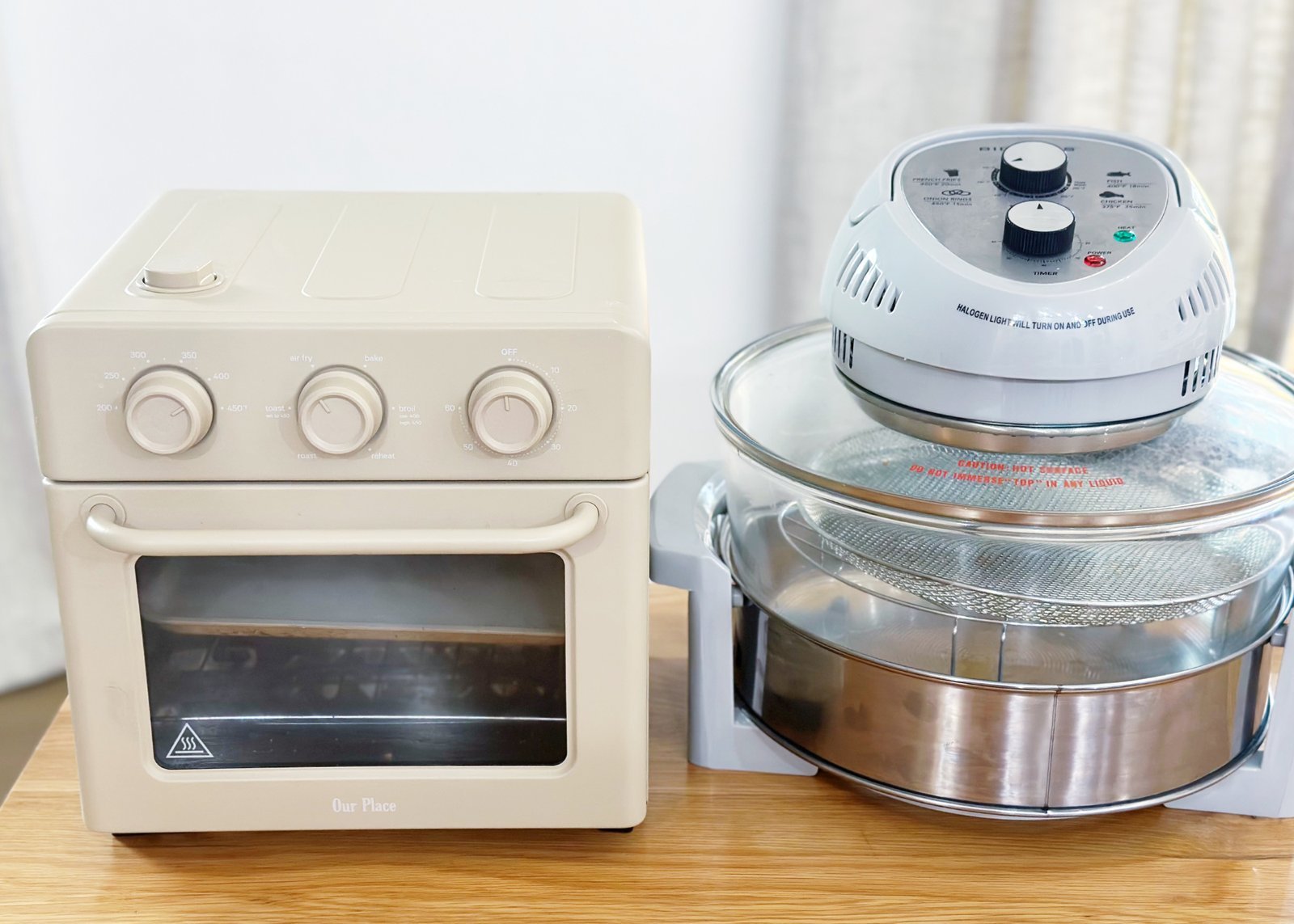

Look for air fryer models built with uncoated stainless steel, borosilicate glass, or certified ceramic interiors instead of PTFE nonstick coatings to ensure they’re non-toxic. Traditional coatings can release fumes when overheated, so choosing inert materials completely eliminates that chemical risk. You’ll avoid synthetic compounds simply by checking the basket’s raw material.
Table of Contents
Air fryers that are truly non toxic
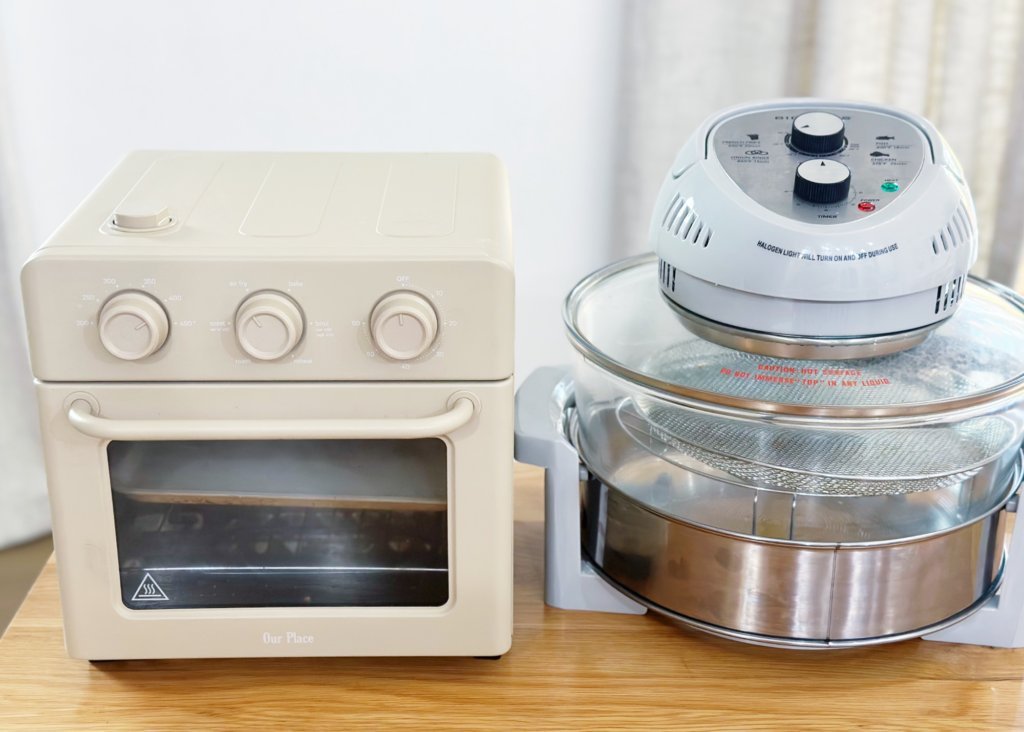
- Stainless steel baskets avoid all nonstick chemical coatings, but food sticks unless you add 1 to 2 teaspoons of oil.
- Borosilicate glass bowls contain zero PFAS chemicals and let you watch your food cook without opening the drawer.
- Pure ceramic coatings eliminate PTFE and PFOA, but they wear down after about a year of daily washing.
- Baskets marked “PTFE-free” often still use other fluoropolymer chemicals, so inspect the user manual for the exact base material.
- If your unit uses a nonstick basket, keep temperatures below 450°F to prevent synthetic coating breakdown.
Why basket coatings break down?
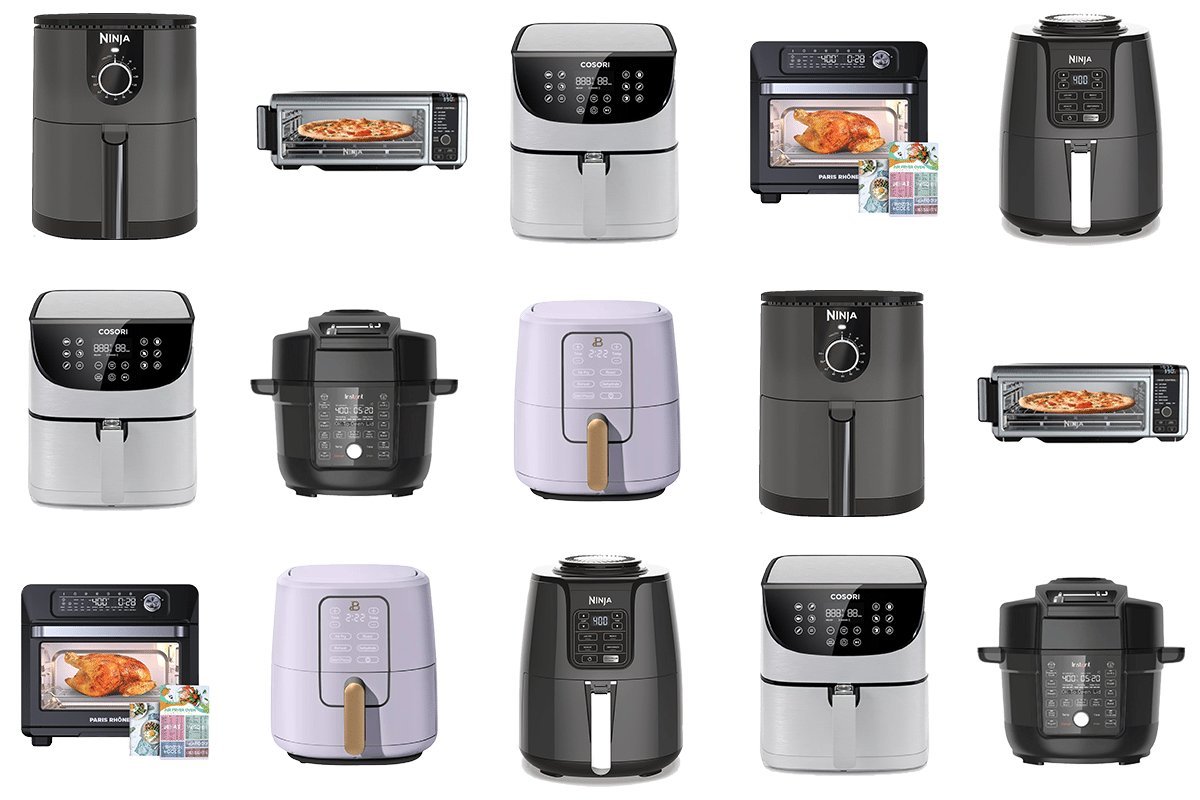
Heat degrades synthetic nonstick surfaces over time. Most standard air fryer baskets use polytetrafluoroethylene (PTFE), a synthetic fluoropolymer commonly known by the brand name Teflon. The US Environmental Protection Agency notes that related fluorinated compounds (PFAS) don’t break down easily in the environment or the human body. When PTFE coatings reach temperatures above 500°F, the material begins to break down structurally, releasing microscopic particles and polymer fumes into your kitchen air.
Air fryers circulate hot air through compact spaces via high-wattage heating elements, often reaching 400°F in under three minutes. If you run a basket empty during preheating, internal coil surface heat can spike past safe thresholds. Even without extreme heat, the mechanical friction of sliding metal crisper trays across coated walls causes fine abrasions. Once the top chemical seal scratches, flakes of coating pull away directly into your food. Choosing inert materials like untreated 304-grade stainless steel, thick tempered glass, or genuine mineral ceramic stops this chemical transfer completely.
When the answer is different?
One simple choice doesn’t suit every home kitchen.
| Situation | What changes | What to do instead |
|---|---|---|
| Cooking delicate white fish | Fish shreds on bare steel | Use unbleached parchment paper liners |
| Heating on strict budget | Glass models cost more | Pick certified ceramic-coated steel |
| Heavy daily family use | Ceramic scratches fairly quickly | Switch to solid stainless steel |
| Small kitchen counter space | Glass dome designs are bulky | Choose a boxy steel-cavity model |
| Cooking high-fat raw meats | Drippings burn onto glass | Soak with hot soapy water |
| Dishwasher cleaning every day | Machine detergents pit bare aluminum | Hand-wash all parts using soft sponge |
How to do it properly?
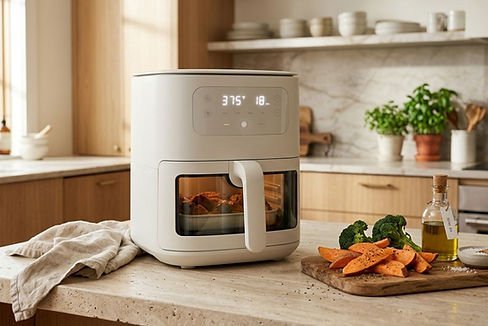
- Unbox your new appliance and check the basket label; if it lists PTFE, return the machine immediately, but if it specifies 304 stainless steel, proceed to setup.
- Hand-wash the removable basket and tray using 1 tablespoon of mild liquid dish soap and warm water to strip factory oils without scratching the bare surface.
- Dry the parts thoroughly with a cotton towel, ensuring no water droplets remain in the seams or corners before sliding the basket into the housing.
- Run the appliance empty at 400°F for exactly 15 minutes in a well-ventilated room to burn off external machine lubricants safely.
- Coat raw meats and vegetables evenly with 1 teaspoon of high-heat cooking oil, like avocado oil, before loading them into your uncoated steel basket.
- Verify your food’s safety with an instant-read digital thermometer: reach 165°F for poultry, 160°F for ground meat, and 145°F for whole cuts of meat.
- Let the basket cool for 15 minutes after cooking, then wash it with a non-scratch nylon sponge to keep the interior clean and smooth.
The mistakes that ruin it
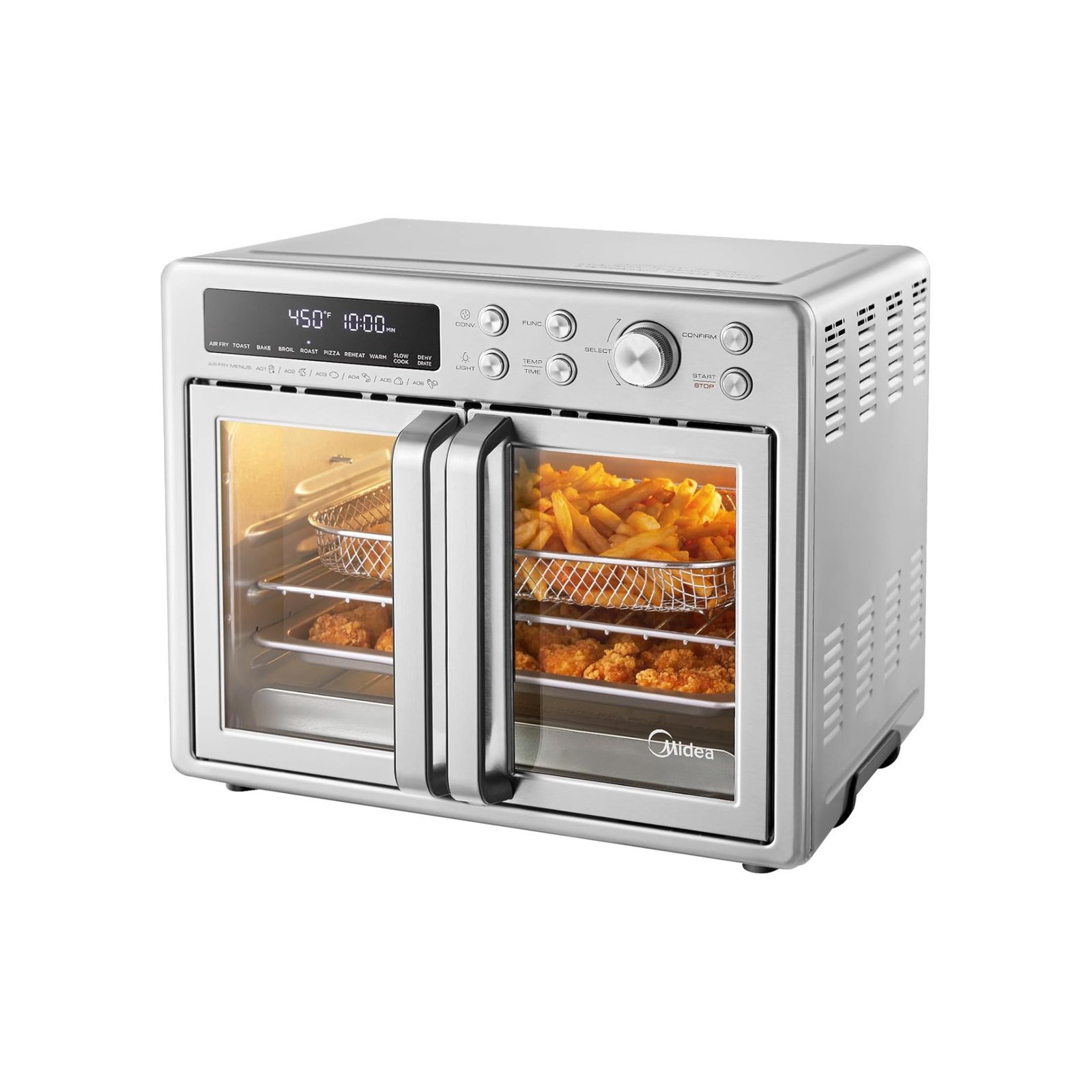
- Using aerosol nonstick sprays on ceramic baskets degrades the mineral finish within weeks because propellant chemicals bake directly into the coating.
- Scrubbing stainless steel inserts with steel wool leaves deep abrasive grooves that trap burnt grease permanently.
- Preheating an empty, coated drawer on maximum heat causes surface hot spots that release fumes.
- Washing hot glass components under cold tap water causes thermal shock that cracks the thick bowl instantly.
Frequently asked questions
Can ceramic air fryers still peel over time?
Yes, ceramic coatings chip if you hit them with metal utensils or clean them using abrasive scouring pads. Pure ceramic is brittle by nature, so rough handling wears the coating down to the base metal. You’ll keep the surface intact longer by sticking strictly to silicone tongs and soft washcloths.
Is stainless steel safe inside an air fryer?
Yes, untreated stainless steel is completely inert, highly durable, and doesn’t leach synthetic chemicals into food during high-heat cycles. It won’t chip, peel, or off-gas toxic fumes even if you preheat the unit empty. You’ll just need a little cooking oil to stop lean meats from sticking to it.
How long do glass air fryer bowls last?
They last indefinitely if you protect them from hard drops and sudden temperature shocks. Borosilicate glass handles cooking heat without degrading or absorbing food odors. This design isn’t for careless cooks, however, because banging the heavy glass bowl against a stone countertop chips the edge permanently.
Does toxic coating get into food?
Yes, chipped PTFE and damaged nonstick polymers flake off directly into your meals if the basket surface suffers scratches. While swallowed flakes generally pass through the digestive tract without breaking down, hot vaporized chemicals from overheated pans present respiratory issues. A damaged basket should be retired immediately.
What happens if I preheat an empty basket?
The empty basket’s surface temperature can surge past 500°F in minutes because there’s no cold food to absorb the heating element’s energy. At that extreme heat level, synthetic fluoropolymer nonstick layers destabilize rapidly and release fumes. Always add your food right away unless the recipe specifically demands a brief preheat.
Does PTFE-free mean the air fryer is completely safe?
No, because a “PTFE-free” label simply means the maker skipped that single compound, while potentially using other synthetic fluorinated chemicals instead. You shouldn’t rely on simple front-box marketing claims. Always check the user manual to confirm the food-contact surface is real stainless steel, true borosilicate glass, or mineral ceramic.
Final Word
Before you buy, take a quick peek at the product manual online. You’ll want to confirm the food basket uses bare metal or glass, not just a hidden chemical spray. It’s an easy check that lets you cook dinner with complete peace of mind.
Leave a Reply