
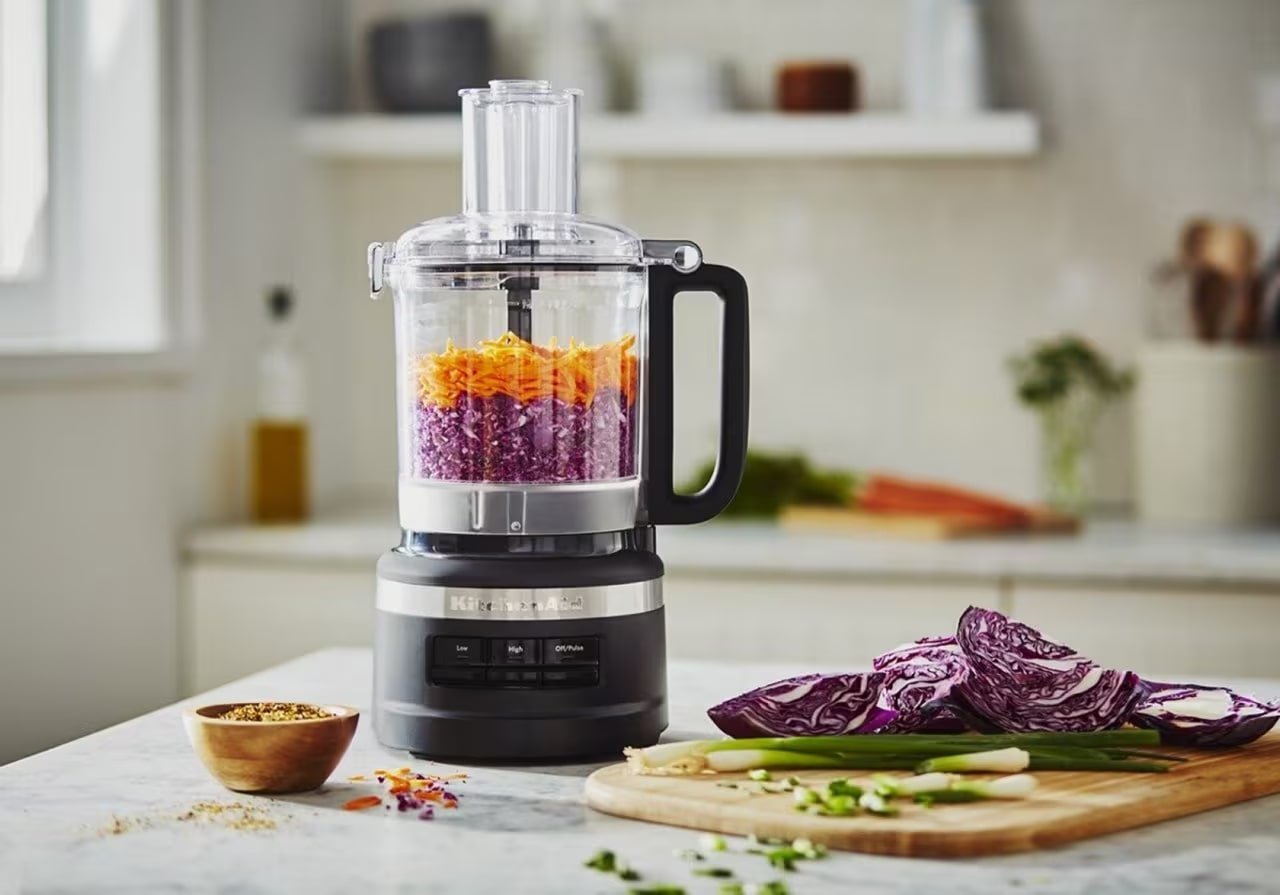

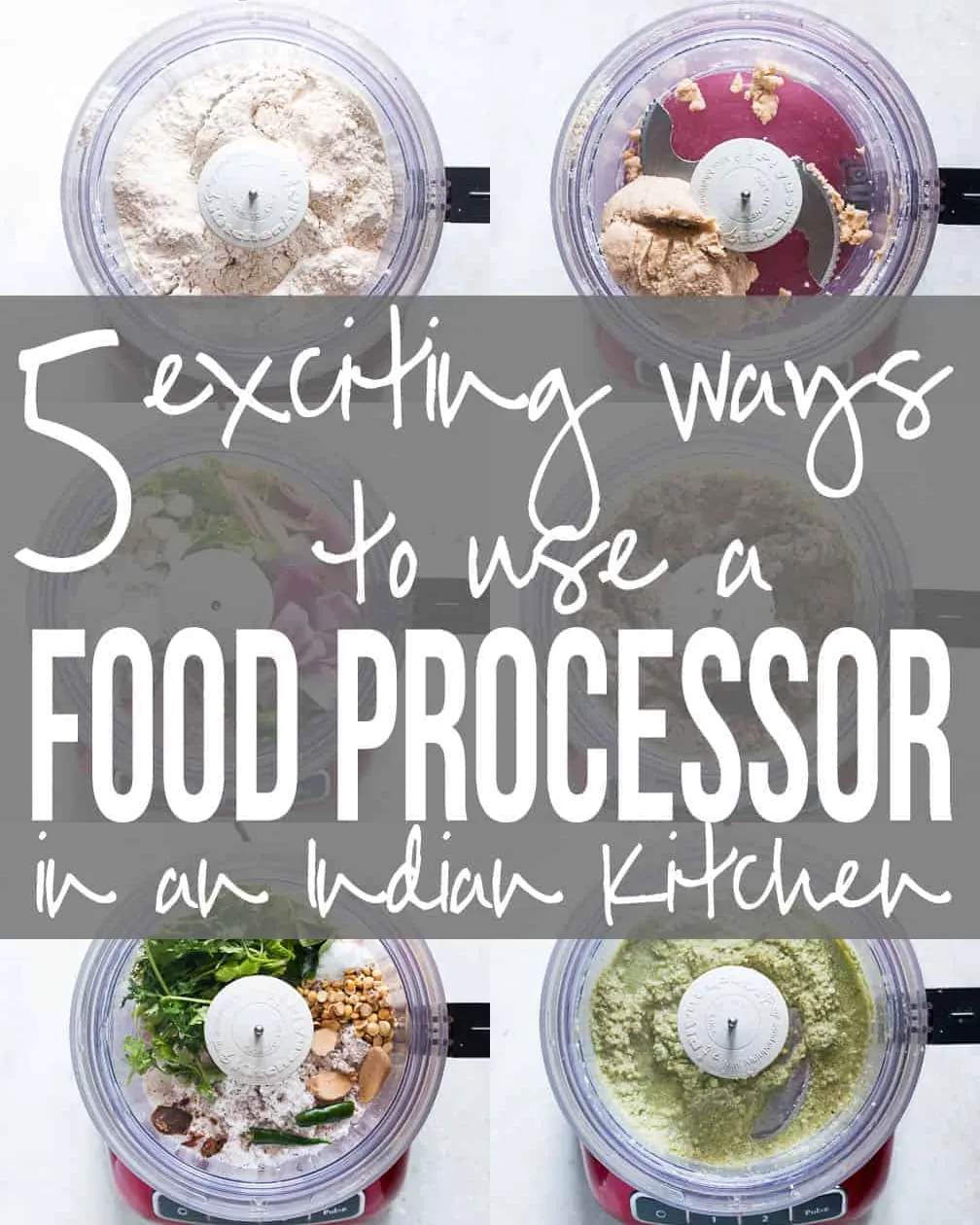
A food processor is a kitchen appliance used for chopping, slicing, grating, and pureeing ingredients quickly and consistently. It saves time by automating repetitive prep work that would otherwise require a sharp knife and a cutting board. If you have large quantities of vegetables or dough to prepare, it’s the most efficient tool for the job.
Table of Contents
Essential Uses for Your Processor
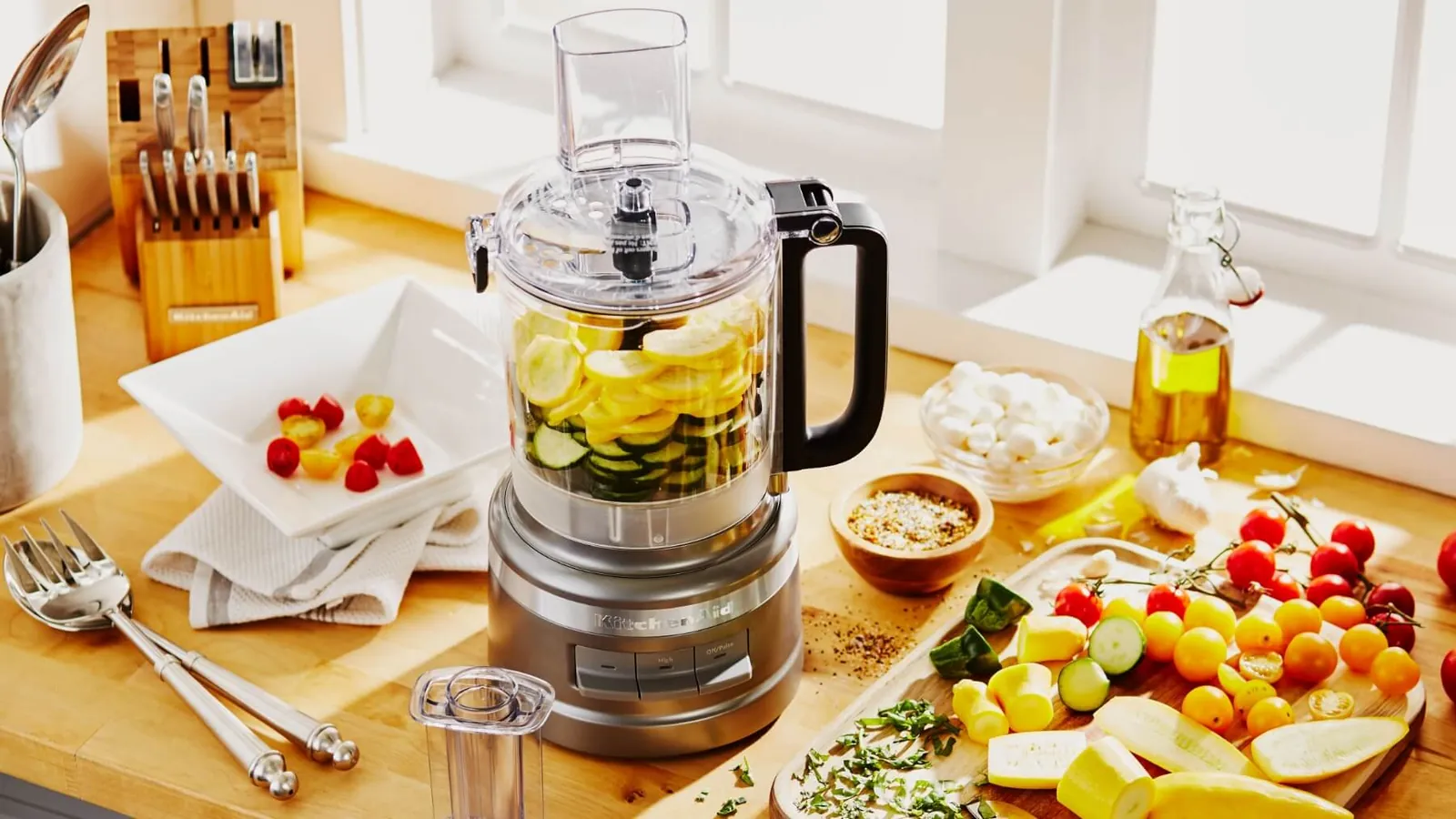
You can use this versatile machine for a variety of tasks that speed up your daily cooking. Each function relies on specific blades or discs included with your unit.
- Chop onions, garlic, or herbs in seconds without the risk of uneven cuts.
- Slice potatoes, cucumbers, or carrots into uniform rounds using the slicing disc.
- Shred blocks of cheese or firm vegetables like cabbage for slaws or salads.
- Puree cooked vegetables or fruits to create smooth soups, sauces, or baby food.
- Knead bread or pizza dough quickly by using the plastic dough blade.
- Mix ingredients for crusts, dips like hummus, or spreads in a single bowl.
Why Use a Food Processor?
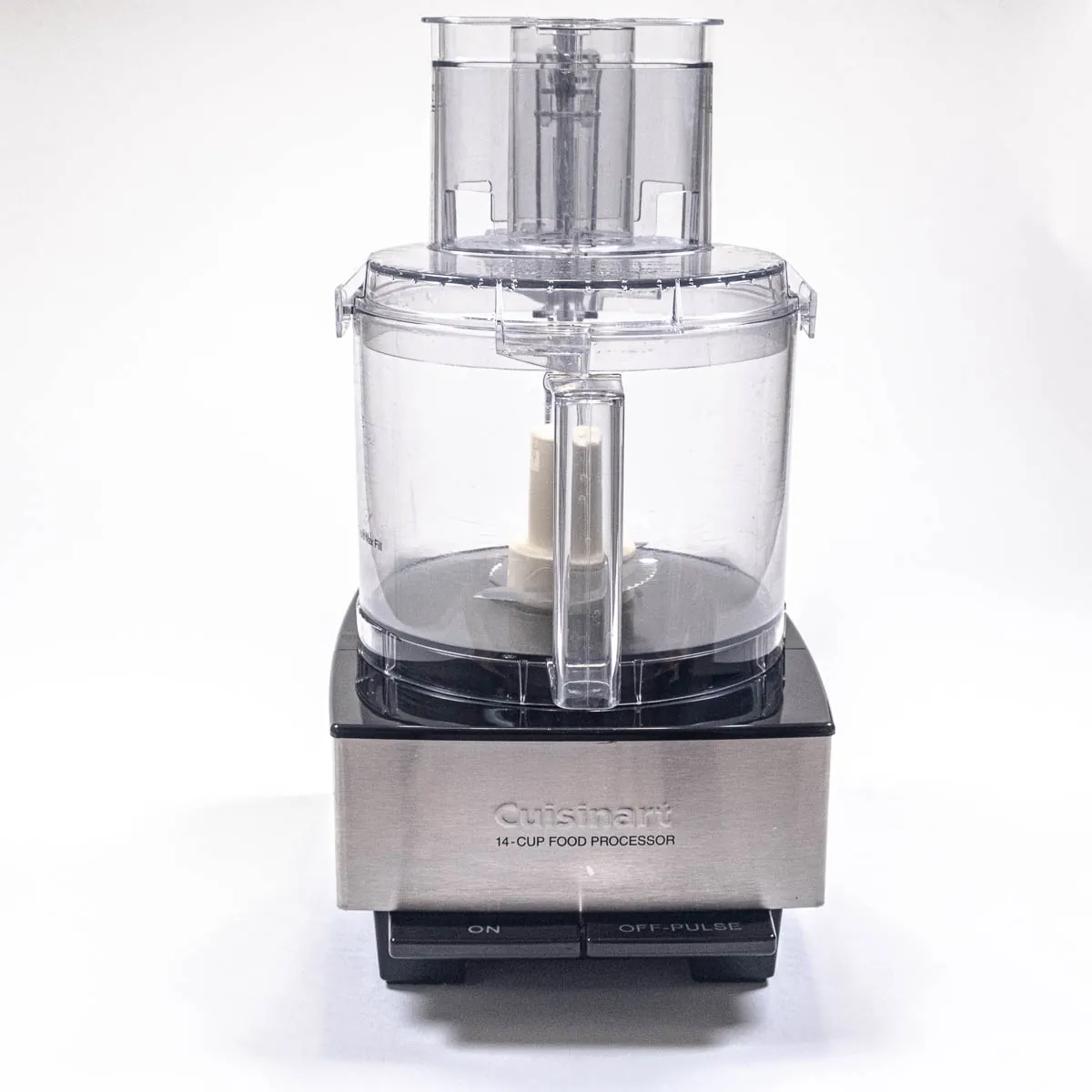
The primary purpose of a food processor is to reduce the mechanical effort of food preparation. Unlike a blender, which creates a vortex to liquify ingredients, a processor uses a wide bowl and flat blades to cut through solids. This design allows for more control over the final texture, ranging from coarse chunks to fine pastes. Keeping your equipment clean is vital because food particles trapped in blades or seals can harbor bacteria if not washed thoroughly after every use.
The machine works by spinning a sharp metal blade at high speeds. This action creates uniform cuts, which ensures that food cooks evenly. If you chop vegetables by hand, they often vary in size, leading to some pieces being overcooked while others remain raw. A processor eliminates this inconsistency. If you’re preparing large batches of food, mechanical processing reduces the time food spends in the “danger zone” by getting it into the pan or the fridge faster.
Variations in Appliance Utility
Sometimes the standard processor settings aren’t enough for specific tasks. Small variations in food type or quantity require you to adjust your approach or use a different tool.
| Situation | What changes | What to do instead |
|---|---|---|
| Liquid heavy recipes | Risk of leaking | Use a blender instead |
| Very small amounts | Ingredients fly up | Use a mini-chopper |
| Delicate herbs | They get bruised | Use a sharp knife |
| Frozen ingredients | Motor may strain | Thaw food slightly first |
| Hot liquids | Pressure buildup | Cool to room temperature |
How to Operate Your Processor Safely?
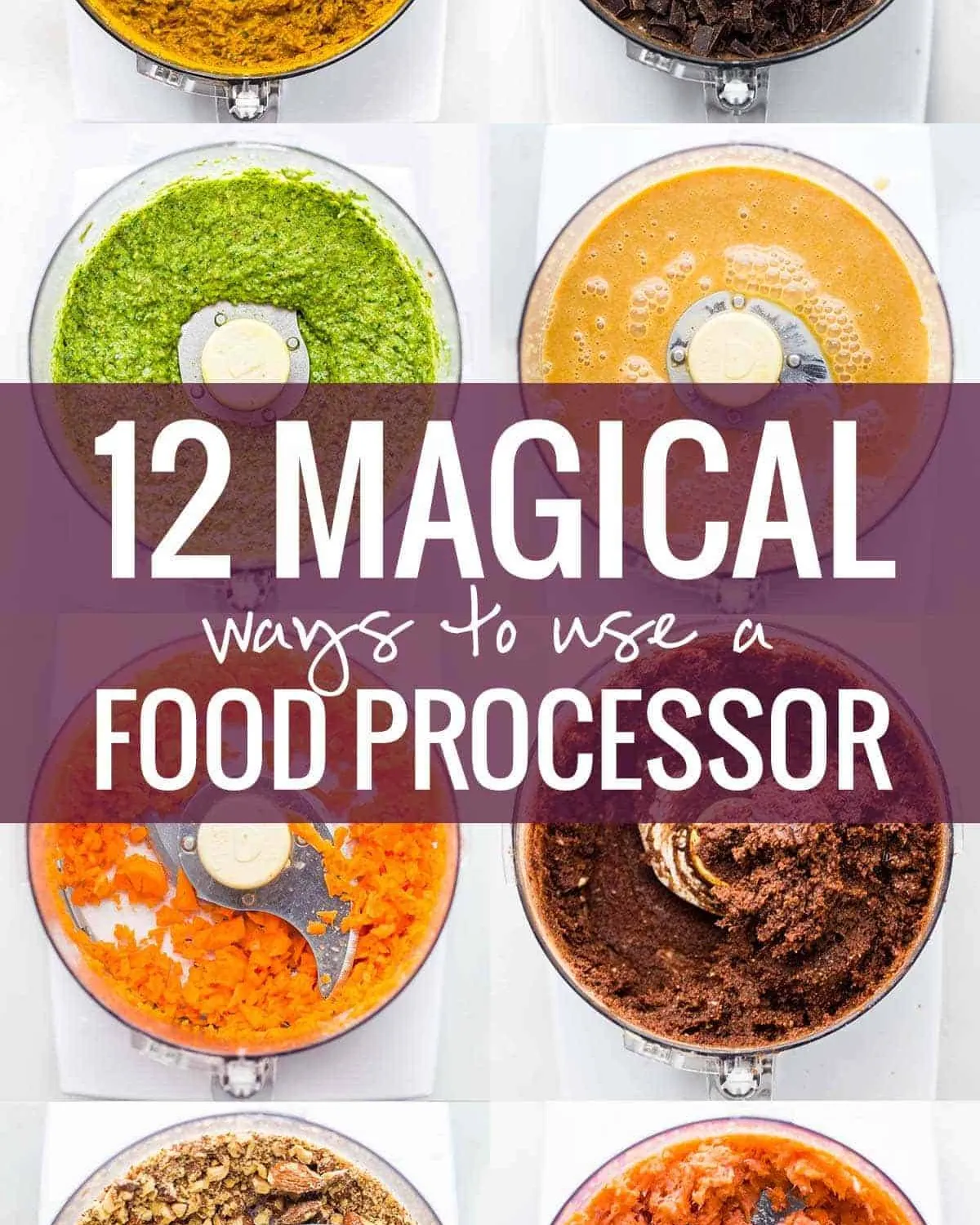
- Place the base on a stable, flat surface. Lock the work bowl onto the base by turning it clockwise until you hear a clear click.
- Select the correct blade. If you’re chopping, slide the S-blade onto the center spindle. For slicing or shredding, attach the stem and secure the disc on top.
- Add your ingredients to the bowl. Don’t fill it past the maximum liquid line, which is usually marked on the side of the container.
- Secure the lid. Ensure the feed tube is aligned correctly, as most units have a safety switch that prevents the motor from starting if the lid is loose.
- Pulse the machine in short 1-second bursts. This gives you control over the texture and prevents you from turning your ingredients into a puree by accident.
- Use the pusher to guide food down the feed tube. Never use your fingers or metal utensils to push food while the machine is running to avoid injury.
- Unplug the unit before removing the blade. Always handle the sharp metal parts by the center plastic hub to keep your hands away from the cutting edges.
Common Mistakes That Ruin Results
- Overloading the bowl prevents the blades from spinning freely, which leads to uneven chopping or motor burnout.
- Processing for too long turns firm vegetables into mush, so always use the pulse button instead of a continuous run.
- Ignoring the maximum fill line for liquids causes leaks into the base, which can damage the electrical components.
- Trying to process frozen or extremely hard items without thawing causes the blade to chip or the motor to stall.
Frequently asked questions
Can a food processor replace a blender?
A food processor can’t replace a blender for liquid-based tasks like smoothies or thin soups. While a processor excels at chopping solids, it lacks the airtight seal and high-speed vortex needed to fully emulsify liquids without leaking. Use a blender for drinks and a processor for solid food prep.
How long does a food processor last?
A high-quality food processor typically lasts 7 to 10 years with regular home use. You can check the expected lifespan in your specific model’s warranty documentation or on the manufacturer’s official support page. Proper maintenance, like hand-washing the bowl, helps keep the plastic parts from cracking over time.
Is it safe to put processor parts in the dishwasher?
Most modern processor bowls are dishwasher safe, but you should always check the manufacturer’s manual first. High heat can warp plastic bowls or dull the sharp metal blades over time. Hand-washing with warm, soapy water is the safest way to ensure your blades stay sharp and the bowl remains clear.
How do I know when to stop processing?
You should stop the machine as soon as your ingredients reach the desired texture. If you’re chopping, stop when the pieces are uniform in size. If you’re making a sauce, stop once it looks smooth. Always pulse in short bursts so you can check the progress after every few seconds.
Why is my food processor not turning on?
The machine won’t turn on if the safety interlock isn’t engaged. Check that the bowl is locked onto the base and the lid is fully snapped into place. Most units are designed to stay off until these parts are correctly aligned to prevent the blades from spinning while exposed.
What happens if I process hot food?
Processing hot food creates steam that builds pressure inside the bowl, which can cause the lid to pop off or hot liquid to spray out. Always let your cooked ingredients cool to room temperature before adding them to the processor. If you must process warm food, work in small batches.
Does it matter which blade I use?
The blade you choose determines the final result, as each is designed for a specific task. Use the S-blade for chopping, mixing, or pureeing, and use the slicing or shredding discs for firm vegetables or cheese. Using the wrong blade will result in poor texture or uneven pieces.
Conclusion
Once you’ve cleared the counter, you’ll find it’s much easier to experiment with new recipes. Don’t be afraid to try making your own hummus or pesto this weekend. You’ll be surprised at how much flavor you can create in just a few seconds. It’s truly a game changer for your daily cooking.
Leave a Reply