
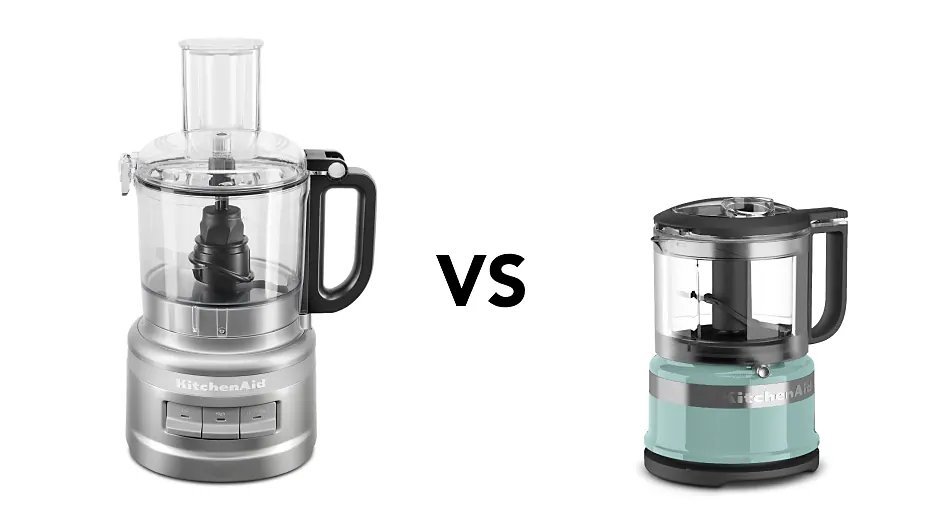

No, a food processor isn’t the same as a chopper because they differ in power, capacity, and the types of blades they use. A chopper is usually a small, single-purpose tool for mincing herbs or nuts, while a food processor features a larger base with multiple attachments for slicing, shredding, and kneading heavy dough.
Table of Contents
Is a food processor the same as a chopper?
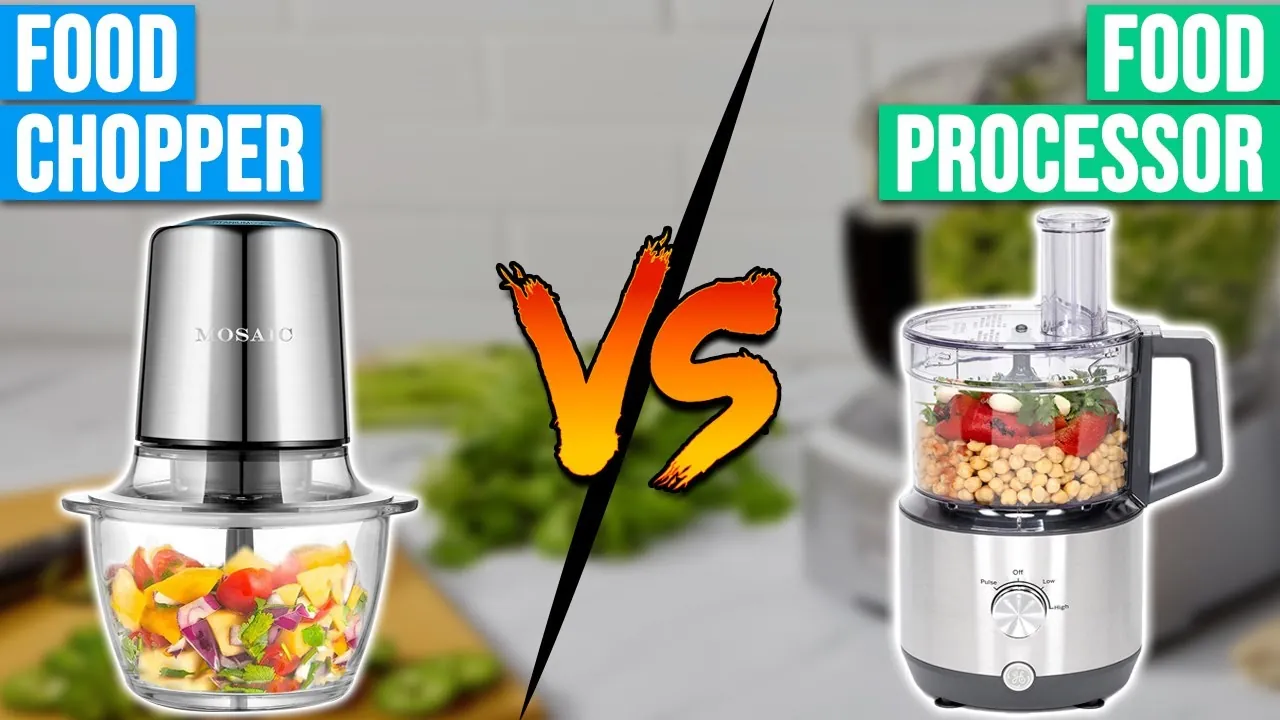
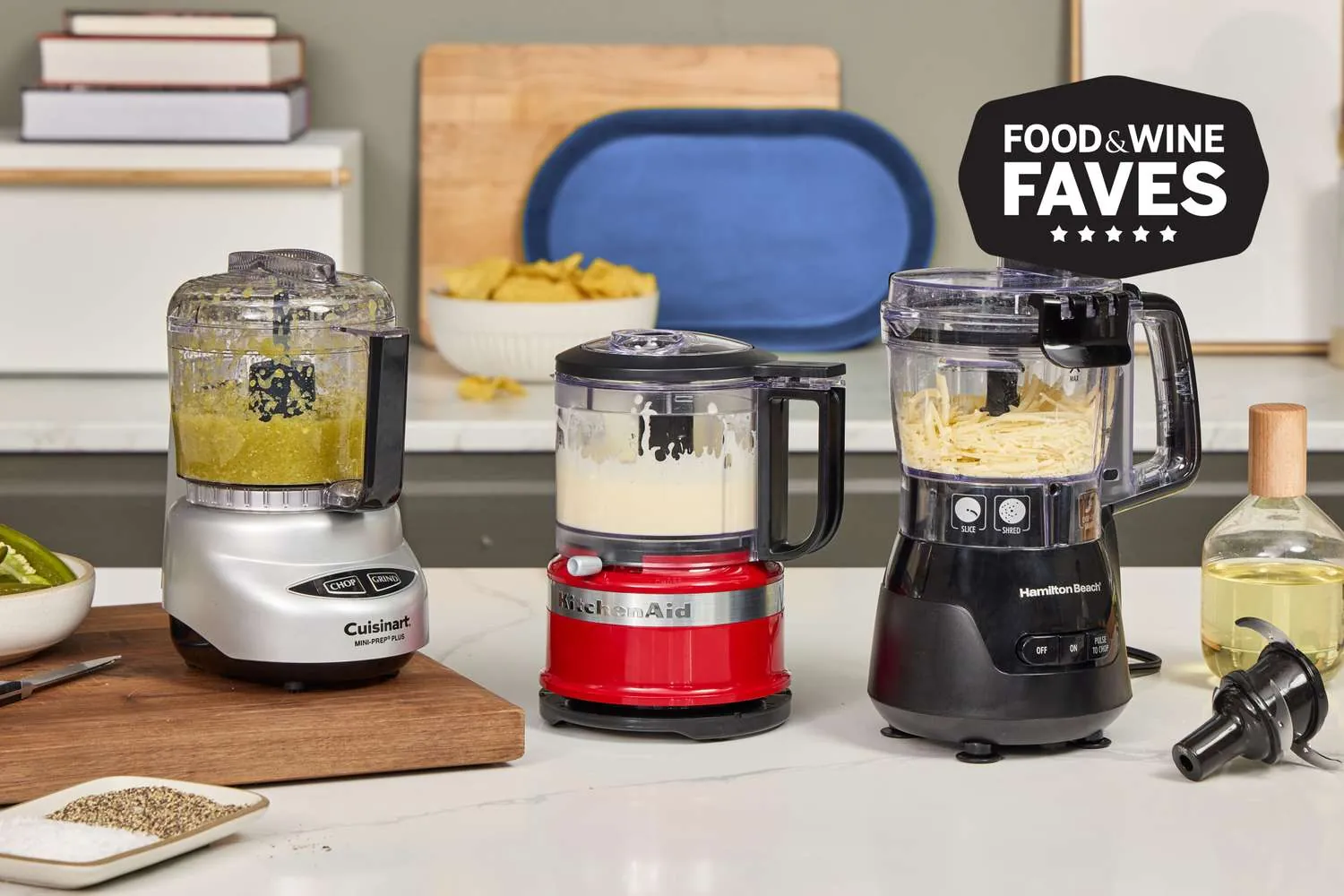
Knowing the hardware helps you pick the right machine for your prep work. These machines look similar, but they’re built for different tasks in the kitchen.
- A food processor uses a wide feed tube to process large amounts of vegetables in seconds.
- Most electric choppers have a small 1 to 4-cup bowl, making them ideal for small batches of garlic or onions.
- Food processors include a variety of discs for precise slicing and grating, whereas choppers usually only provide a simple S-shaped blade.
- If you need to knead bread dough, you must use a food processor with a plastic dough blade; a chopper lacks the motor torque for this.
- Choppers are easier to store because they have a small footprint, while food processors require more cabinet space for their extra attachments.
Why they function differently?
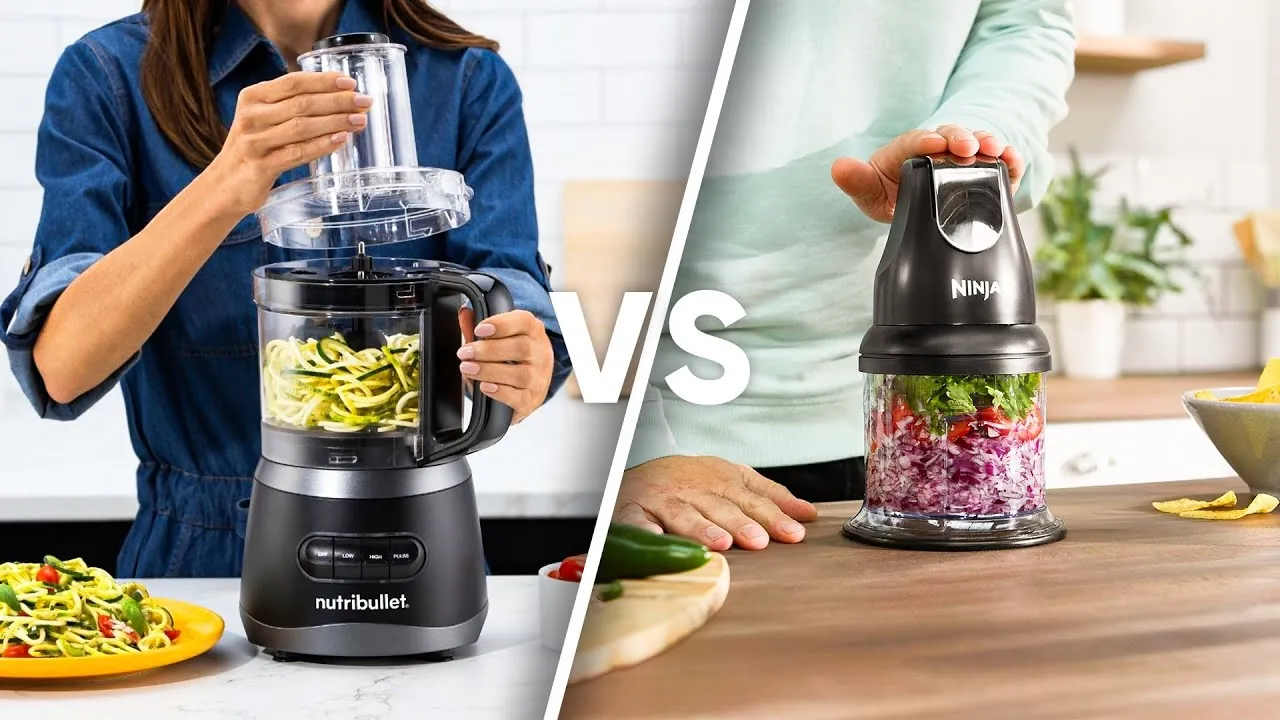
The primary reason these tools perform differently is the design of their motors and blade assemblies. A food processor is engineered to handle high-volume tasks, such as shredding blocks of cheese or slicing pounds of potatoes. The motor is heavy and powerful enough to push ingredients through attachments without stalling.
Conversely, a chopper is designed for speed and convenience with small quantities. The motor is often smaller and turns at a higher speed to mince items quickly, but it will overheat if you try to process large loads. Deciding between them depends on your typical ingredient volume. If you often prepare meals for four or more people, the extra capacity of a food processor is essential.
If you live alone or only need to chop small herbs and aromatics, a chopper saves you from washing a large, multi-part machine. You can verify the intended capacity of your specific model by checking the user manual provided by the appliance manufacturer to ensure you don’t exceed the maximum fill line.
When to use one over the other?
| Situation | Best Choice | Why |
|---|---|---|
| Making pizza dough | Food processor | Needs high-torque plastic blade |
| Mincing garlic cloves | Chopper | Faster for tiny amounts |
| Slicing 2kg of carrots | Food processor | Large feed tube speeds up work |
| Pureeing baby food | Food processor | Consistent texture for larger batches |
| Making walnut pesto | Chopper | Small bowl prevents uneven blending |
How to use your machine safely?
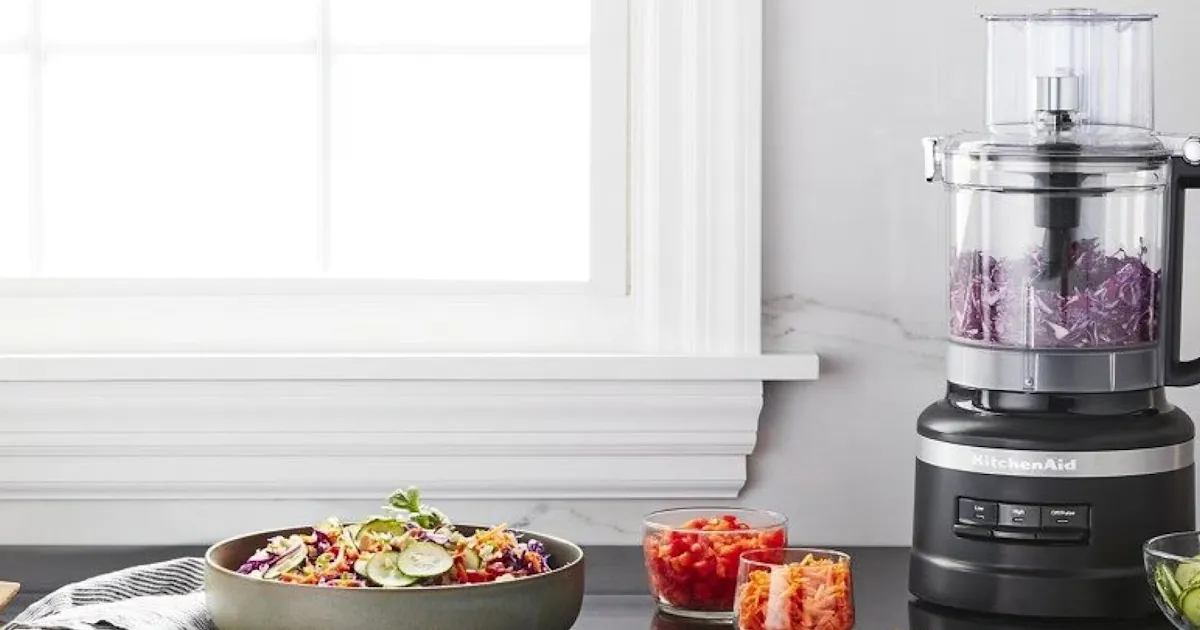
- Place the base on a flat, dry surface to ensure it doesn’t slip during operation.
- Lock the bowl onto the base; most modern models have a safety sensor that prevents the motor from starting unless the bowl is clicked into the correct position.
- Insert the blade or disc onto the center spindle, pushing down until you hear a click or feel it seat firmly against the base of the bowl.
- Add your ingredients, keeping them below the maximum fill line; overloading the bowl prevents the blades from spinning freely and can cause the motor to stall or burn out.
- Secure the lid tightly, as the safety interlock won’t engage if the lid is loose, which could lead to ingredients being thrown out of the bowl.
- Pulse the machine in 2-second bursts to control the texture, especially when chopping herbs or nuts, as these can turn into a paste if processed for too long.
- Unplug the device before removing the lid or handling the sharp blades to prevent accidental cuts.
Common mistakes that ruin your results
- Overfilling the bowl causes ingredients to be chopped unevenly, as the items at the bottom turn to mush while the top remains chunky.
- Using the wrong blade for the task, such as trying to slice vegetables with an S-shaped chopping blade, leads to crushed food rather than clean slices.
- Processing hot liquids in a standard food processor can build up steam pressure, which may force the lid off and cause severe burns.
- Forgetting to lock the lid properly prevents the motor from engaging, leading many to believe their machine is broken when it’s merely a safety lock.
Frequently asked questions
Can I use a food processor to chop onions?
Yes, you can use a food processor to chop onions, but use the pulse button to avoid turning them into a liquid puree. If you process them for too long, the blade speed will break down the cell walls of the onion, releasing too much moisture and creating an unwanted paste.
Why does my food processor overheat?
Your food processor overheats because you’re overloading the bowl or running the motor for too long without a break. If the motor feels hot to the touch, turn it off immediately and let it cool for 15 minutes before you try to continue your food preparation task.
Is it safe to put parts in the dishwasher?
Most modern food processor bowls and blades are labeled dishwasher-safe, but you should check the manufacturer’s markings on the bottom of the plastic parts. High heat in a dishwasher can warp plastic components over time, so hand washing is often the best way to keep your equipment in good condition.
How long do these machines last?
With proper care, a quality food processor can last for a long time, though the plastic parts like the bowl or lids may wear out sooner. The lifespan depends on how often you use it and whether you follow the weight limits specified in your owner’s manual for heavy tasks like dough.
Does it matter which blade I use?
Yes, it matters because the S-blade is for chopping and pureeing, while the discs are specifically designed for slicing or shredding. Using the wrong blade will change the texture of your food, often resulting in bruised ingredients or uneven pieces that don’t cook at the same rate in your final dish.
Can I replace a lost blade?
Yes, you can replace a lost blade by searching for your machine’s model number on the manufacturer’s official website. Never try to use a blade from a different brand, as the size and spindle shape are specific to each motor base and won’t fit correctly, which could damage your machine.
Conclusion
The choice between these two tools comes down to how much food you handle and the type of prep you do most often. If you find yourself chopping large quantities of vegetables or making bread, the food processor is the right tool for the job. For daily tasks involving small amounts of herbs or aromatics, a compact chopper is the more efficient and easier-to-clean option.
Leave a Reply