


Yes, cold press juicers are generally considered better for preserving nutrients and producing higher quality juice than high-speed centrifugal models. Whether they’re the right choice for you depends on how much time you have for preparation and how much you value the texture of your juice compared to the speed of the process.
Table of Contents
Why cold press juicers offer higher quality?

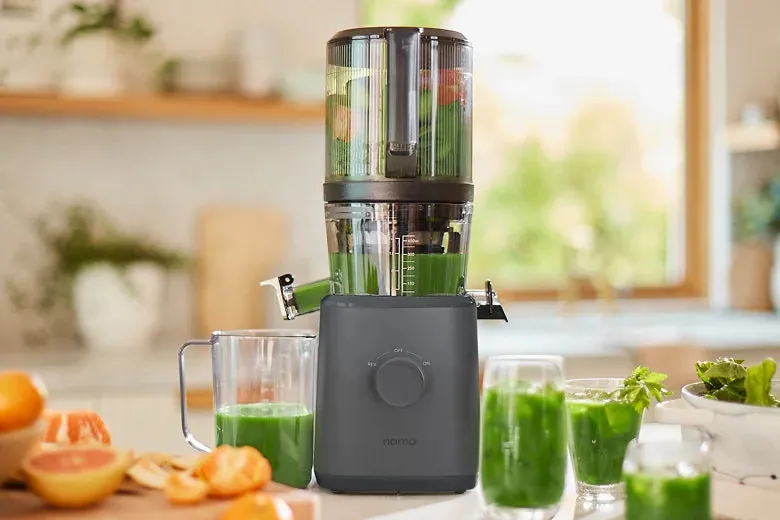
Cold press juicers, often called masticating juicers, operate at low speeds to crush fruits and vegetables slowly. This method reduces heat and oxidation compared to centrifugal juicers, which use high-speed metal blades. Because heat can degrade heat-sensitive vitamins and enzymes, the slow-press method helps retain more of the raw nutritional profile found in produce.
The United States Department of Agriculture notes that careful handling and processing are essential for maintaining the nutritional value of fresh produce. By avoiding the rapid spinning action of centrifugal blades, cold press machines prevent the juice from becoming aerated. This lack of air exposure keeps the liquid fresher for longer periods, often allowing it to stay stable in a refrigerator for up to 72 hours.
Beyond nutrition, the yield from a cold press juicer is typically higher, especially when juicing leafy greens like kale or spinach. While high-speed blades often shred greens into a wet pulp, a masticating auger squeezes every drop of liquid out of the fiber. This efficiency means you spend less money on produce over time, even if the machine itself costs more upfront.
Differences in juice extraction methods
| Method | Speed | Nutrient Retention | Best For |
|---|---|---|---|
| Cold Press | Very slow | High | Greens, herbs, roots |
| Centrifugal | Very fast | Moderate | Hard fruits, vegetables |
| Manual | Slow | Moderate | Citrus, small batches |
| Twin Gear | Slow | Very high | Maximum yield, nuts |
Centrifugal juicers rely on high-speed blades that generate heat, which can oxidize delicate enzymes and shorten the shelf life of your juice to under 24 hours. If you need your drink to last three days in the fridge, opt for a cold press model instead.
Most beginners mistakenly choose centrifugal machines for leafy greens, only to find the basket clogged and the yield disappointing. If you’re processing kale or spinach, you must use a masticating or twin-gear press to avoid wasting half your produce.
When selecting a machine, evaluate your daily volume. If you prepare more than 16 ounces at once, the manual method will cause significant wrist fatigue. Reserve manual presses for occasional citrus, as the time investment per ounce makes them impractical for daily green juicing.
How to use a cold press juicer?
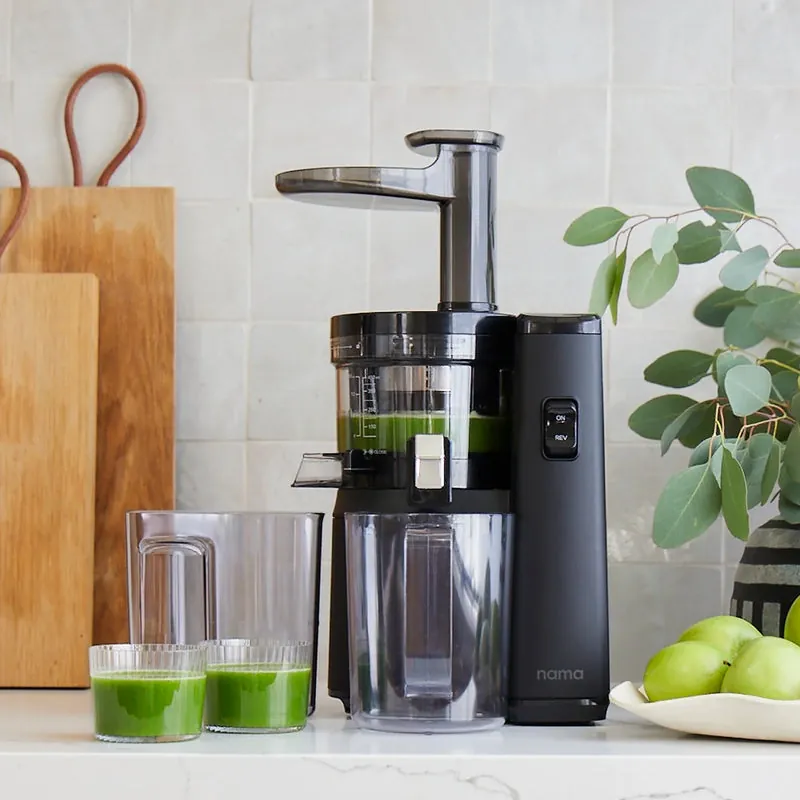
- Wash all produce thoroughly in cool running water to remove dirt or pesticides. The Food and Drug Administration advises that even produce with peels should be washed to avoid transferring bacteria into the juice.
- Cut your fruits and vegetables into small pieces that fit easily into the feed chute. Large chunks can clog the auger and force the motor to work harder than necessary.
- Turn the machine on before adding any produce to ensure the auger is moving. Feed the items into the chute one at a time using the provided plastic plunger for safety.
- Apply steady, light pressure with the plunger. If the machine sounds strained, stop feeding it and let the auger clear the current pulp before adding the next piece of produce.
- Watch the pulp ejection port to ensure fiber is moving out consistently. If the port looks blocked, turn the machine off and clear the excess fiber to prevent internal pressure buildup.
- Collect the juice in a glass container and serve it immediately for the best taste. If you need to store it, pour it into an airtight bottle filled to the top to minimize air.
The mistakes that ruin your juice
- Pushing produce too quickly forces the machine to stall, which can overheat the motor and damage internal plastic parts.
- Failing to remove hard pits or large seeds causes the auger to jam, which often leads to expensive repairs or broken drive gears.
- Using frozen ingredients before they have thawed properly puts excessive stress on the auger, which is designed for soft or fibrous produce.
- Leaving the machine uncleaned for more than 30 minutes after use makes dried pulp difficult to remove and encourages bacteria growth.
Frequently asked questions
Can cold press juicers handle hard vegetables?
Yes, they can process hard vegetables like carrots and beets effectively. You should cut them into thin sticks to ensure the auger can crush them without putting excessive strain on the motor. Always check the manufacturer’s manual for your specific model to see the recommended maximum diameter for hard produce.
Is it safe to store juice for several days?
It’s safe for up to 72 hours if you store it in a sealed, airtight glass container. Keep the container in the coldest part of your refrigerator, away from the door. The National Center for Home Food Preservation emphasizes that proper cold storage is necessary to prevent the growth of harmful bacteria in fresh juices.
Why does my juice have a lot of pulp?
High pulp levels usually happen because the internal screen is clogged or damaged. If you prefer a thinner juice, inspect the fine-mesh screen for tears or buildup that prevents the juice from filtering properly. Clean the screen with the included brush after every use to ensure the juice texture stays consistent.
How long does the juicing process take?
The process takes about 10 to 15 minutes for a standard 16-ounce serving. This includes the time spent washing, chopping, and feeding the produce into the machine. While centrifugal juicers are faster, the cold press method requires more patience to get the highest nutrient density from your ingredients.
Does it matter if I use organic produce?
It matters for reducing your exposure to synthetic pesticides, though it doesn’t change the mechanical efficiency of your juicer. If you use non-organic produce, ensure you scrub the skins thoroughly to remove residue. The nutritional extraction process remains the same regardless of whether the produce was grown using organic or conventional methods.
What happens if I juice overripe fruit?
Juicing overripe fruit leads to a thick, mushy consistency that often clogs the pulp exit port. It’s better to use firm, fresh produce to ensure the machine can separate the fiber from the liquid efficiently. If you must use soft fruit, mix it with firmer vegetables to help push the pulp through the machine.
Conclusion
Choosing between these machines depends on your lifestyle. If you want a quick glass of juice before work, the speed of a centrifugal model might outweigh the nutrient benefits of a cold press. However, if you’re serious about maximizing your vegetable intake and don’t mind a slower, quieter process, a cold press juicer is the better investment for your health.
Leave a Reply