


A standard wash cycle usually lasts between 90 and 150 minutes, though the duration of a dishwasher run depends on the chosen settings and how dirty your dishes are. Most modern machines use sensors to adjust the duration based on soil levels, meaning cycles change based on the load.
Efficiency is the main reason for these long cycle times. Instead of constant high-heat spraying, machines now soak dishes to break down food, which saves energy. You must avoid the mistake of choosing heavy-duty cycles for lightly soiled items, as this wastes water and time without improving the result.
Table of Contents
Efficient Dishwasher Operation Steps

- Scrape solid food scraps into the trash before loading, as large debris can clog the filter and extend the cycle.
- Arrange dishes so they face the center spray arm, ensuring they don’t block the detergent dispenser or the moving parts.
- Select the “Auto” or “Sensor” setting if your machine has one to let the unit detect the load size.
- Add the correct amount of detergent for your water hardness, as using too much can leave residue on dishes.
- Check that the water heater is set to at least 120°F (49°C) to ensure the machine doesn’t pause to heat the water.
Tip: If you notice dishes remain wet, verify that your rinse aid dispenser is full, as this chemical helps water slide off surfaces faster.
Tip: Don’t open the door mid-cycle to add items, as this resets the machine’s internal sensors and adds time to the total run. If you need to perform professional repairs on the pump or electrical system, remember that a capacitor can hold a lethal charge unplugged, so contact a technician.
Typical Dishwasher Run Times
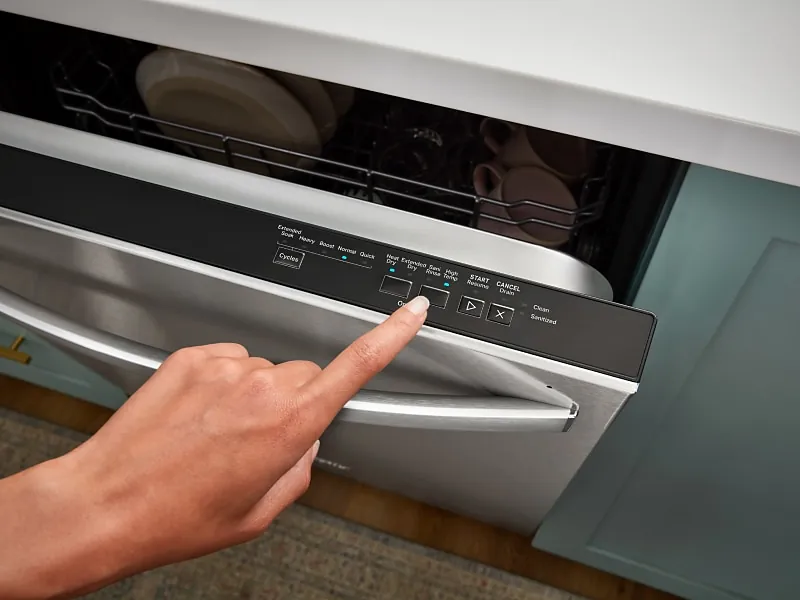
The time taken for a wash depends on the machine’s program and the initial water temperature.
| Situation | How long | What changes it | What to watch for |
|---|---|---|---|
| Quick/Express | 30–60 min | Low soil level | Dishes may stay damp |
| Normal Cycle | 90–150 min | Sensor readings | Energy-saving pauses |
| Heavy Duty | 160–210 min | Dried-on food | High heat usage |
| Rinse Only | 10–20 min | Manual start | No soap used |
If your dishwasher consistently runs for more than three hours on a normal cycle, check the filter for buildup or ensure your intake valve isn’t partially blocked.
Identifying When the Cycle Finishes

Most modern dishwashers use a visual or audible signal to show the cycle is over. Look for a status light projected onto the floor or a small chime that sounds once the drying phase completes. If your model lacks these, wait for the steam to stop venting from the side of the door. If the dishes are still wet but the machine is silent, the drying fan or heating element might need a professional inspection.
Mistakes That Ruin Results
- Overloading the racks: When items overlap, water can’t reach the surfaces, which forces you to re-wash the load and doubles your total time. Space items out so the spray arms can rotate freely without hitting any plates or bowls.
- Ignoring the filter: If food particles block the mesh, the water flow slows down and the sensors will trigger extra rinses to compensate. Clean the filter under warm running water as needed based on your usage, referring to the owner’s manual for specific guidance to keep the cycle time consistent.
- Using cold water: If your home’s water supply is cold, the machine will pause its cycle to heat the water to the required temperature. Ensure your water heater is set correctly so the machine can proceed without these long, uncounted delays.
Frequently asked questions
How long does a dishwasher run on the quick cycle?
A quick cycle usually takes between 30 and 60 minutes, depending on the specific model and the water temperature. This setting uses less water and lower heat, making it suitable only for lightly soiled items that don’t require deep sanitization or heavy scrubbing.
Why is my dishwasher taking three hours to finish?
The machine is likely running an extended cycle because the water isn’t reaching the necessary temperature, or the sensors detect leftover food particles. If the unit takes three hours, check that your home water heater is set to 120°F and that your filter is free of debris.
Is it safe to stop a dishwasher mid-cycle?
Yes, it’s safe to stop the cycle, but you should be cautious of hot steam escaping when you open the door. Press the “Cancel” or “Drain” button first to safely remove the hot water from the basin before you open the unit to prevent accidental burns.
How often should I clean the dishwasher filter?
You should clean the filter periodically to prevent clogs that force the machine to run longer. If you have a large family or frequently wash items with heavy food residue, check the filter more often based on your usage and the owner’s manual to ensure the water flows freely through the drain.
What happens if I use too much soap?
Using too much soap creates excess suds that can confuse the water sensors, often causing the dishwasher to add extra rinse cycles. This increases the total time the unit runs and can leave a cloudy, soapy film on your glassware that’s difficult to remove later.
Can I run the dishwasher while I sleep?
Yes, you can run the machine while you sleep, provided your local building codes or homeowner association rules allow for it. Most modern dishwashers are designed to be quiet, but always ensure your kitchen floor is dry and the machine is level to prevent any leaks while you’re away.
Conclusion
Keeping your machine clean and loading it correctly ensures it stays within its standard timing. Always prioritize the manufacturer’s user manual for your specific model’s cycle times, as internal heaters and sensor sensitivity vary significantly between brands and price points.
Leave a Reply