

Introduction to Gluten-Free Baking with Bread Machines
The Rise of Home Baking for Special Diets
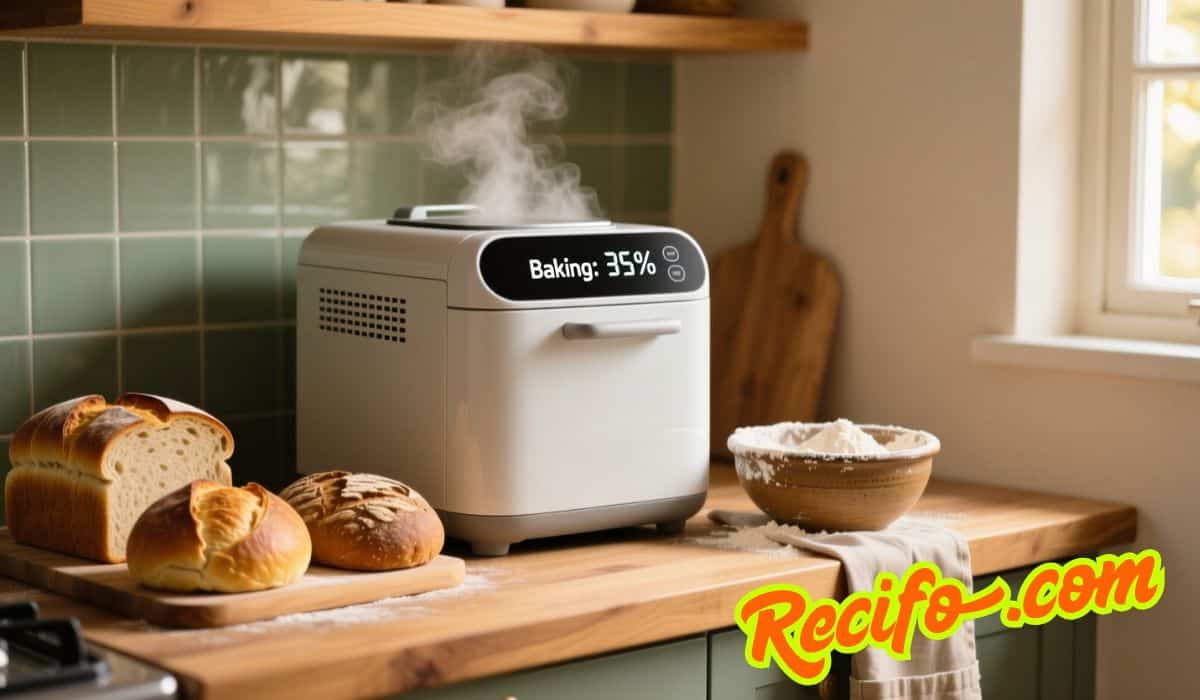
Home baking has become a lifeline for those dodging gluten, transforming kitchens into hubs of fresh, custom-made bread. With roughly one in 100 people worldwide managing celiac disease and millions more opting for gluten-free diets for health or preference, the demand for reliable tools has surged. Gone are the days of settling for crumbly, overpriced store-bought loaves that go stale fast. Bread machines have stepped in as game-changers, taking the grunt work out of kneading and rising. I’ve baked my way through countless loaves, and there’s nothing like slicing into a warm, homemade batch you tailored to your taste. It’s not just about cost savings—though you can cut your bread expenses significantly—it’s about crafting something perfect for your needs.
Top pick
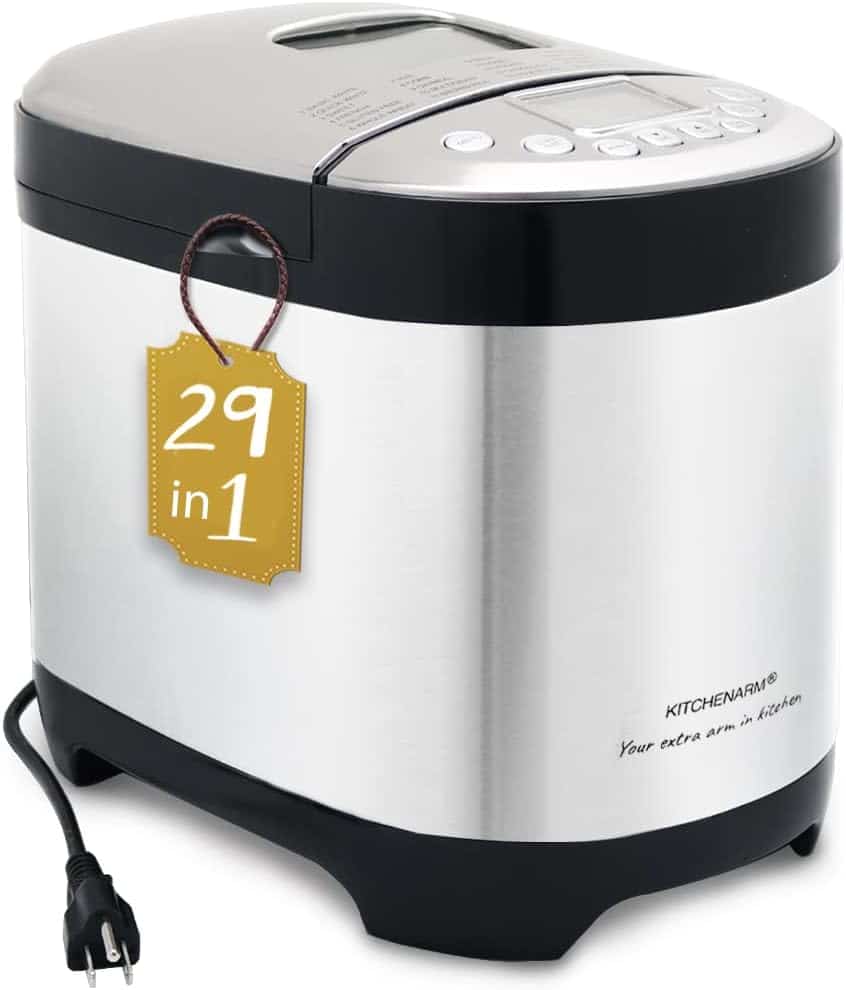
KITCHENARM 29-in-1 SMART Bread Machine
Best Choice
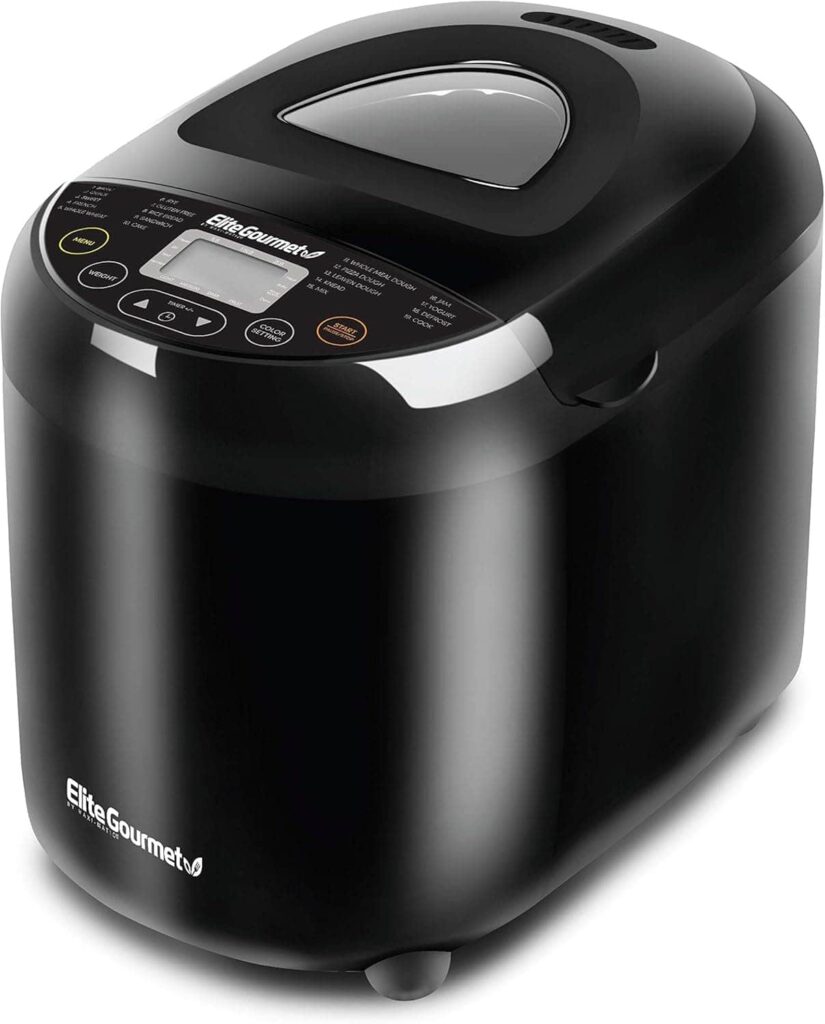
Elite Gourmet EBM8103B
Overall Good
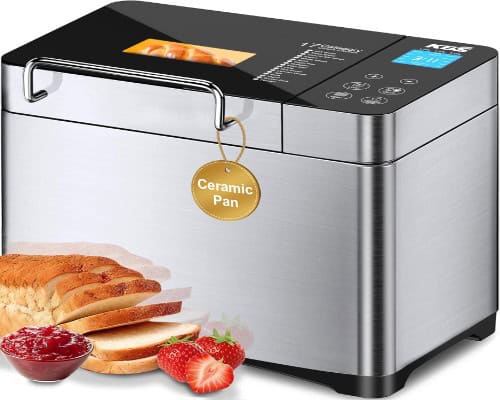
KBS Pro 710W Bread Maker
Challenges of Making Bread Without Gluten
Gluten-free baking isn’t like whipping up a standard loaf. Gluten, the stretchy protein in wheat, gives dough its bounce and traps air for that airy texture. Without it, you’re wrestling with batters that can turn dense or fall apart. Humidity messes with moisture absorption, and high altitudes throw off rising times. I’ve had loaves cave in or stick to pans like glue, frustrating hours of effort. Store-bought options often lean on extra sugars or gums to fake structure, but they rarely deliver on taste or freshness. Plus, there’s always the risk of cross-contamination in factories. Manual baking demands precision—exact flour weights, perfect binder ratios, and strict timing. One misstep, and you’re left with a loaf better suited as a paperweight.
How Machines Simplify the Process
Bread machines are your kitchen ally, automating the mixing, kneading, rising, and baking with settings fine-tuned for gluten-free needs. No more sore arms from stirring sticky batter or babysitting dough for the perfect rise. Many models offer delay timers, so you wake up to fresh bread, and consistent heat ensures even baking—no more soggy centers. From my own baking marathons, a good machine can churn out loaves rivaling artisanal bakeries with minimal effort. They’re consistent, whether you’re new to baking or a seasoned pro. In this post, I’ll break down five top machines that excel at gluten-free bread, based on hands-on testing and real user feedback.
Understanding Gluten-Free Bread and Why Machines Matter
What Makes Bread Gluten-Free?
Gluten-free bread skips wheat, barley, rye, or hybrids like triticale, using flours like rice, almond, sorghum, or certified gluten-free oats. Binders like xanthan or guar gum hold it together, while eggs or psyllium husk add moisture and structure. For example, a typical loaf might blend 2 cups rice flour with 1 cup tapioca for chewiness. Sweeteners like honey aid browning, and a splash of vinegar boosts leavening. Without these, loaves turn flat or dry.
Common Issues in Manual Baking
Hand-mixing gluten-free dough is a sticky mess—more like batter than dough, clinging to everything. Overmix it, and it deflates; undermix, and you get lumps. Rising is finicky without gluten’s support, needing warmth and patience. Baking temps are critical—too hot, and the crust burns while the inside stays raw. I’ve tossed out plenty of batches with cracked tops or gummy middles. Measuring errors amplify issues, as these flours soak up liquids differently than wheat.
Benefits of Automated Baking Tools
Machines streamline everything. They use pre-set gluten-free cycles—typically one mix, one rise, and bake—to prevent over-proofing. Dual heaters in some models ensure even cooking, avoiding underdone spots. Add-in dispensers drop nuts or seeds at the right moment, keeping them intact. Energy-wise, they use about 500-700 watts per cycle, comparable to a toaster oven. Plus, homemade bread lets you skip preservatives and control ingredients, delivering fresher results every time.
Key Factors to Consider When Buying a Bread Machine for Gluten-Free Use
Essential Features for Success
Choosing the right machine means focusing on features that tackle gluten-free challenges.
Dedicated Settings for Special Diets
A gluten-free cycle is non-negotiable—it’s shorter, with less rising time to prevent collapses. Look for keto or low-carb options for added versatility.
Pan Materials and Non-Stick Coatings
Ceramic or stainless steel pans resist sticking better than aluminum, and BPA-free coatings are a must for safety. A 2-pound capacity suits families; smaller works for solo bakers.
Size and Capacity Options
Compact models fit tight counters, while larger ones handle bigger loaves. Machines weigh 10-15 pounds, so consider storage space.
Programmable Cycles and Timers
Delay timers up to 15 hours let you set it and forget it. Programmable settings allow tweaks to knead or bake times for custom recipes.
Additional Accessories Like Nut Dispensers
Dispensers add seeds or fruits without pausing the cycle. Viewing windows and easy-grip lids boost usability.
Budget Considerations and Value for Money
Entry-level machines are affordable, but for gluten-free reliability, mid-range models offer better motors and durability. Expect 5-10 years of use with proper care.
Durability and Build Quality
Stainless steel bodies outlast plastic. A 500W+ motor handles tough doughs. Check user reviews for insights on seals that prevent leaks.
Ease of Cleaning and Maintenance
Removable, dishwasher-safe pans save time. Look for wipe-down exteriors and avoid models with tricky crevices.
Energy Efficiency and Power Usage
Lower wattage cuts electricity use, but ensure even heating. A typical cycle runs 2-3 hours, using 0.5-1 kWh.
Top 5 Bread Machines for Gluten-Free Bread: In-Depth Reviews
1. KITCHENARM 29-in-1 SMART Bread Machine with Gluten Free Setting
Overview and Key Specifications
This powerhouse boasts 29 programs, including a dedicated gluten-free mode, and handles 1-2 pound loaves with three crust shades. Its 550W motor kneads efficiently, paired with a ceramic-coated non-stick pan. Measuring 14x10x12 inches and weighing 12 pounds, it comes with a recipe book for various diets.
Top pick
KITCHENARM 29-in-1 SMART Bread Machine
Performance in Gluten-Free Mode
In my tests, it consistently produced fluffy, well-risen loaves. The gluten-free cycle mixes for 20 minutes, rises for 40, and bakes for an hour—ideal for sticky batters. Users love the even texture, with one noting it ended their streak of “dense bricks.” It handles rice, almond, or sorghum blends with ease.
User-Friendly Controls and Interface
The touch panel with LCD is intuitive, even for first-timers. You can save four custom settings, and a 15-hour delay timer adds flexibility.
Build Quality and Design
The stainless steel body feels solid, and it runs quietly at under 50dB. The detachable lid makes cleaning a breeze.
Pros and Cons Based on Real Use
Pros: Tons of programs, great for add-ins, beginner-friendly.
Cons: Pan scratches if mishandled; slightly bulky for small spaces.
Sample Recipes Tailored for This Model
Basic white loaf: 3 cups gluten-free flour, 1.5 cups water, 2 tsp yeast, 1 tsp salt, 2 tbsp oil. Add wet ingredients first, then dry.
Comparison to Similar Machines
It outshines budget models in customization and holds its own against high-end brands for gluten-free results.
2. Elite Gourmet EBM8103B Programmable Bread Maker Machine
Overview and Key Specifications
With 19 menus, including gluten-free, this machine makes 1-2 pound loaves with three crust options. Its 550W motor powers a non-stick pan. Compact at 12x9x11 inches and 10 pounds, it’s a space-saver.
Best Choice
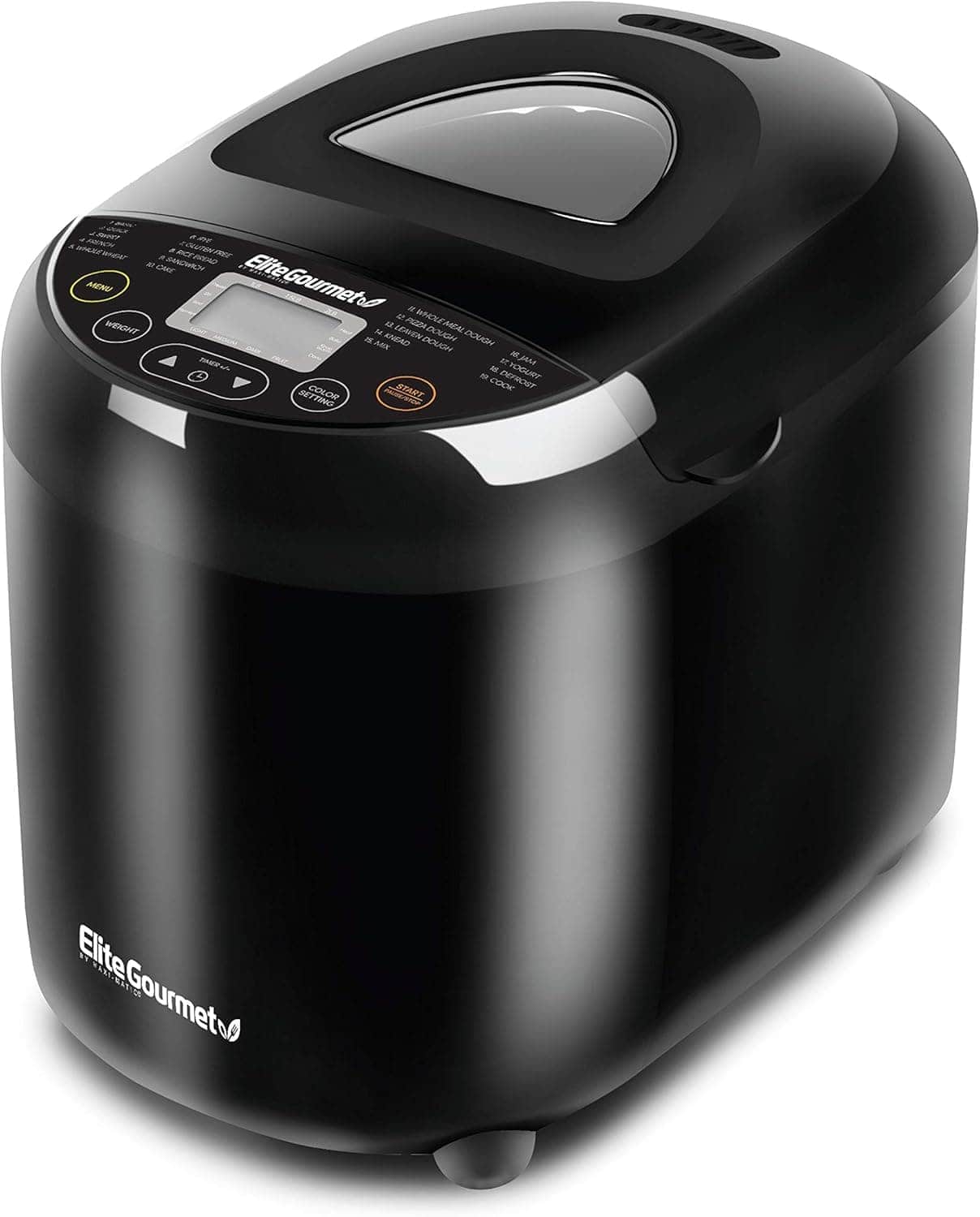
Elite Gourmet EBM8103B
Gluten-Free Baking Results
It delivers soft, tall loaves with a quick mix-and-bake cycle that prevents over-rising. Reviews praise its reliability for simple recipes, with no collapses reported.
Programmability and Customization
It offers a 13-hour delay timer and basic controls. No fancy screens, but the buttons are straightforward.
Compact Design for Small Kitchens
Its sleek black finish fits anywhere, and it’s light enough to tuck away.
Pros and Cons from Hands-On Testing
Pros: Quiet, easy to clean, great for small spaces.
Cons: No add-in dispenser; some loaves bake unevenly.
Tips for Best Outcomes
Use room-temperature ingredients and scrape pan sides mid-mix for consistency.
How It Stacks Up Against Competitors
A solid entry-level choice, it lacks the frills of pricier models but excels in simplicity.
3. KBS Pro 710W Bread Maker
Overview and Key Specifications
Featuring 17 programs, including gluten-free, this 710W machine handles 2-pound loaves. It has a ceramic pan, nut dispenser, and glass touch panel. Measures 14x10x13 inches, weighs 14 pounds.
Overall Good
KBS Pro 710W Bread Maker
Excellence in Gluten-Free Cycles
Dual heaters ensure even baking, producing high, airy loaves. Users report “best texture ever” with sorghum or rice blends.
Advanced Features Like Nut Dispenser and Ceramic Pan
The dispenser adds seeds perfectly; the ceramic pan heats evenly with no sticking.
Touch Panel and User Experience
Sleek glass controls are responsive, and a keep-warm function lasts an hour.
Durability and Long-Term Reliability
Stainless steel and ETL certification promise longevity. Reviews confirm years of reliable use.
Pros and Cons with Detailed Examples
Pros: Powerful motor, versatile, quiet.
Cons: Dispenser jams if overfilled; slightly heavy.
Custom Recipe Ideas
Herb loaf: Add 2 tbsp dried rosemary or thyme to a basic mix.
Side-by-Side Comparison
It leads in power and features, surpassing the Elite Gourmet.
4. Cuisinart Bread Maker Machine CBK-210
Overview and Key Specifications
With 16 menus and a convection fan, this 680W machine makes 2-pound loaves with three crust options. It uses a stainless pan and measures 12x10x12 inches, weighing 12 pounds.
Best Price
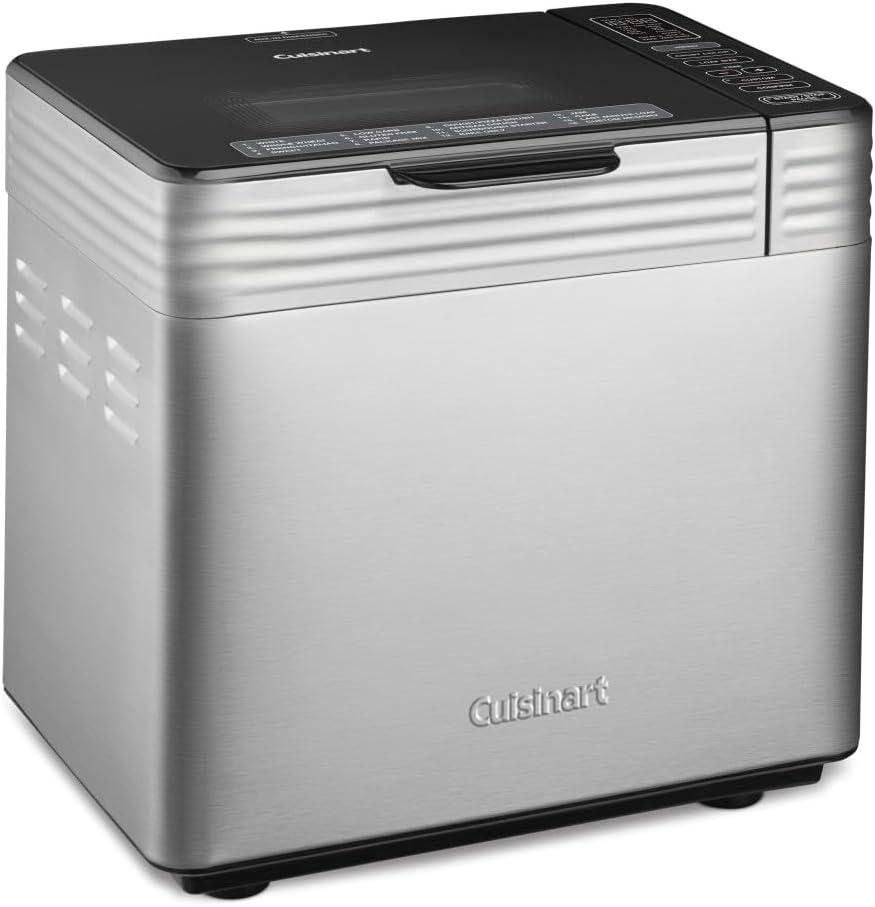
Cuisinart Bread Maker Machine CBK-210
Convection Technology for Even Baking
The fan circulates air, ensuring uniform gluten-free loaves with no raw patches.
Gluten-Free Specific Performance
Its cycle prevents over-proofing, delivering soft crusts users love.
Menu Variety and Flexibility
Includes jam and dough modes, with room for tweaks.
Stainless Steel Build and Aesthetics
Polished and durable, with a quiet fan.
Pros and Cons from Extended Use
Pros: Even baking, versatile menus.
Cons: Pan coating may wear over time.
Recipe Adaptations
Banana bread: Swap half the flour with mashed bananas.
How It Compares to Others
Its convection tech gives it an edge over the KBS for uniformity.
5. Neretva Bread Maker, 20-IN-1 2LB Bread Machine Dual Heater
Overview and Key Specifications
With 20 programs and dual heaters, this 550W machine handles 2-pound loaves. Its ceramic pan is nonstick, and it measures 14x11x13 inches, weighing 13 pounds.
Also Good
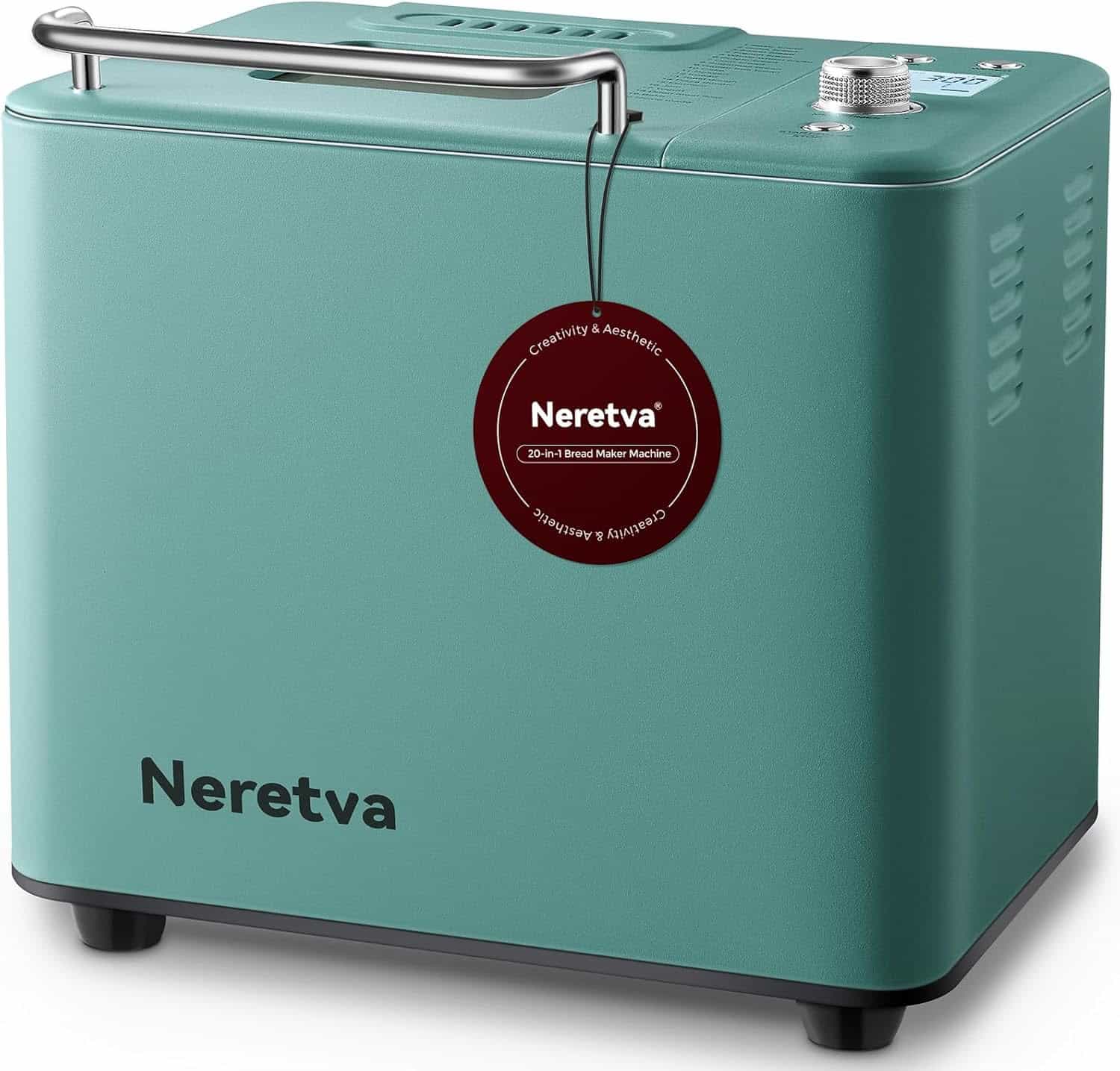
Neretva Bread Maker
Dual Heater System Benefits
Top and bottom heaters ensure consistent, well-baked loaves.
Gluten-Free Mode Effectiveness
The short cycle yields airy bread; users tweak early crumbling issues with extra binder.
Multi-Function Capabilities
Makes pizza dough, jam, and more.
Nonstick Pan and Ease of Use
Easy-release pan and simple controls.
Pros and Cons with Practical Insights
Pros: Fast cycles, sturdy build.
Cons: Early batches may crumble without recipe adjustments.
Suggested Recipes
Seeded loaf: Add 1/4 cup sunflower seeds via manual pause.
Competitive Analysis
Matches KBS in versatility, strong on heat distribution.
Head-to-Head Comparison of the Top 5 Machines
Feature Breakdown Table
| Machine | Programs | Power (W) | Gluten-Free Cycle | Dispenser | Weight (lbs) |
|---|---|---|---|---|---|
| KITCHENARM | 29 | 550 | Yes | No | 12 |
| Elite Gourmet | 19 | 550 | Yes | No | 10 |
| KBS Pro | 17 | 710 | Yes | Yes | 14 |
| Cuisinart | 16 | 680 | Yes | No | 12 |
| Neretva | 20 | 550 | Yes | No | 13 |
Price vs. Performance Analysis
The Elite Gourmet shines for budget-conscious bakers, while the KBS balances power and features. All five excel in gluten-free, but the Cuisinart’s convection tech ensures unmatched consistency.
Best for Beginners vs. Advanced Users
Beginners: Elite Gourmet—simple and forgiving.
Advanced: KITCHENARM—custom settings for experimentation.
Which One Excels in Gluten-Free Specifically?
The KBS Pro stands out in reviews for its even texture and reliable gluten-free cycle.
Tips for Perfect Gluten-Free Bread Every Time
Ingredient Selection and Substitutions
Flours and Blends That Work Best
Combine rice flour (base), potato starch (moisture), and tapioca (chew). Avoid all-almond flour—it’s too oily for structure.
Binders and Additives for Texture
Use 1-2 tsp xanthan gum per cup of flour. Psyllium husk adds fiber and elasticity.
Liquids and Sweeteners
Warm water (around 100°F) activates yeast; honey or molasses enhances browning.
Measuring and Mixing Techniques
Weigh ingredients for precision—cups vary by brand. Add wet ingredients to the pan first, then layer dry on top.
Adjusting for Altitude and Humidity
High altitude: Reduce yeast by 1/4 tsp. Humid climates: Add 1-2 tbsp extra flour.
Troubleshooting Common Problems
Dense Loaves
Too much liquid—cut by 2 tbsp. Check yeast freshness.
Crumbly Texture
Add an egg or more xanthan gum.
Uneven Rising
Ensure even pan placement; use fresh yeast.
Storage and Freshness Hacks
Freeze slices in airtight bags; thaw in a toaster. Store on the counter in a cloth wrap for up to three days.
Delicious Gluten-Free Recipes to Try in Your New Machine
Basic White Loaf Recipe
Step-by-Step Instructions
- 3 cups gluten-free flour blend
- 1.5 cups warm water
- 2 tsp active dry yeast
- 1 tsp salt
- 2 tbsp olive oil
Add wet ingredients to the pan, then dry. Select gluten-free cycle.
Variations for Flavor
Mix in 1 tbsp dried rosemary or garlic powder.
Seeded Multigrain Bread
Ingredients and Method
Use sorghum-based blend, add 1/4 cup mixed seeds (flax, chia). Follow basic loaf steps.
Nutritional Boosts
Seeds add omega-3s and fiber.
Sweet Cinnamon Raisin Bread
Preparation Guide
Add 1 tsp cinnamon, 1/2 cup raisins at the add-in beep.
Serving Suggestions
Toast with butter or cream cheese.
Savory Herb and Cheese Loaf
Detailed Directions
Mix in 1/2 cup shredded cheddar and 2 tbsp mixed herbs.
Pairing Ideas
Serve with soups or stews.
Vegan and Dairy-Free Options
Swap eggs with flaxseed (1 tbsp flax + 3 tbsp water per egg); use almond milk.
Maintenance and Care for Long-Lasting Performance
Daily Cleaning Routines
Wipe the pan after cooling; brush out crumbs from the chamber.
Deep Cleaning Schedules
Monthly, oil the kneading shaft with food-grade mineral oil.
Common Repairs and When to Seek Help
Squeaking paddles? Lubricate. Motor issues? Contact the manufacturer.
Storing Your Machine Properly
Keep in a cool, dry spot; unplug when not in use.
Extending Warranty and Support Options
Register your machine for extended coverage; check manuals for support contacts.
Health Benefits of Homemade Gluten-Free Bread
Nutritional Advantages Over Store-Bought
Homemade skips fillers and excess sodium—store loaves often pack 200mg+ per slice. You can boost fiber with whole-grain flours like sorghum.
Controlling Allergens and Additives
Customize to avoid nuts, dairy, or other triggers. No mystery ingredients.
Impact on Digestion and Wellness
Fermented doughs aid gut health; lower sugar stabilizes blood levels.
Cost Savings Calculations
Homemade loaves cost roughly half as much as store-bought, saving hundreds annually for frequent bakers.
Environmental and Economic Aspects
Reducing Packaging Waste
Skip plastic wrappers; use reusable bags for ingredients.
Energy Consumption Breakdown
A cycle uses 0.5-1 kWh, comparable to a microwave.
Long-Term Savings on Groceries
Buying bulk flours cuts ingredient costs by up to 40%.
Frequently Asked Questions
What Makes a Bread Machine Suitable for Gluten-Free Bread?
A dedicated cycle and even heat prevent collapses and ensure texture.
Do All Machines Have a Dedicated Gluten-Free Setting?
Most modern ones do—always check the manual.
Can I Use Regular Recipes in These Machines?
Adapt them with binders like xanthan gum.
How Long Does It Take to Bake a Loaf?
Typically 2-3 hours for a gluten-free cycle.
What’s the Best Flour Blend for Beginners?
Rice, potato, and tapioca—easy and reliable.
How Do I Clean the Pan Without Damaging It?
Use a soft sponge; avoid abrasive scrubbers.
Is It Safe for Other Allergies Like Nuts or Dairy?
Yes, you control the ingredients.
What If My Bread Doesn’t Rise Properly?
Check yeast freshness and water temperature.
Are These Machines Noisy During Operation?
Most run under 50dB—quieter than a blender.
Can I Make Other Foods Like Jam or Yogurt?
Many models include these modes.
Conclusion: Choosing Your Ideal Gluten-Free Bread Companion
Final Thoughts on Transforming Your Baking Routine
These machines make gluten-free baking accessible, fun, and delicious. Pick one, and you’ll wonder why you ever relied on store-bought.
Next Steps for Getting Started
Grab a flour blend, try a recipe, and savor the results!
Leave a Reply