

Bread machines are one of the most convenient appliances for baking at home. They take the hassle out of the process by automating mixing, kneading, and baking, producing freshly baked loaves with minimal effort. However, the process of removing the finished bread from the machine isn’t as simple as it may seem. Many people face issues with the bread sticking to the pan, the kneading paddle getting stuck inside the loaf, or the bread coming out misshapen and crumbly. If you’ve ever struggled to get your loaf out without ruining it, this guide is here to help. We’ll walk you through everything you need to know—from step-by-step instructions on how to remove your bread without damage to troubleshooting common problems and maintaining your machine for long-term success.
Understanding the Bread Machine’s Mechanics
Before diving into the removal process, it’s important to understand how bread machines work. This will give you insight into why certain issues arise and how to prevent them.
1. How Bread Machines Work
A bread machine automates several steps of bread-making:
- Mixing: The ingredients (flour, yeast, water, and salt) are added to the pan. The machine’s paddle stirs the ingredients to form dough.
- Kneading: The dough is kneaded to develop gluten, giving the bread its structure.
- Rising: The dough is allowed to rise in a warm environment, where yeast ferments and causes the dough to expand.
- Baking: The machine heats the pan to bake the dough into a loaf of bread.
The pan typically has a non-stick coating and a kneading paddle. The paddle is often the main culprit when it comes to issues with removal, as it may remain embedded in the loaf.
2. Common Challenges in Bread Removal
Even with the convenience of a bread machine, there are a few common issues people face when removing bread:
- Bread Sticking to the Pan: This often happens due to excessive moisture, worn-out non-stick coatings, or failing to grease the pan before baking.
- Kneading Paddle Sticking: The paddle can remain stuck in the middle of the loaf, especially if it’s not removed beforehand or if the bread is too soft.
- Crumbly or Misshapen Loaf: This could be due to overmixing, incorrect ingredient measurements, or using the wrong type of flour.
3. Why Proper Removal is Important?
It’s essential to remove the bread properly to avoid damaging the loaf. A ruined loaf can be disappointing, and in some cases, it may affect the longevity of the bread machine. For instance, if the paddle is left in the bread, it can make it harder to clean the pan, and over time, it could lead to the non-stick coating wearing down.
Step-by-Step Guide to Removing Bread
Now that you understand how the bread machine works and the potential issues you may encounter, let’s break down the step-by-step process for safely and efficiently removing your bread.
1. Pre-Removal Preparations
Before you even think about removing your bread, there are a few key preparations to ensure a smooth process.
Unplug the Machine
Always unplug the bread machine before handling the pan. Not only is this a safety precaution to prevent accidental activation, but it also ensures that the machine doesn’t start up while you’re trying to remove the loaf.
Cooling Time
Allow the bread to cool for at least 5-10 minutes inside the machine before attempting to remove it. This helps the loaf set and firm up a bit, making it easier to handle. If you remove it too soon, it may still be too soft and could lose its shape or become too crumbly.
Gather Your Tools
You’ll need a few tools to help with the removal process:
- Oven Mitts: The pan can get hot, so be sure to wear oven mitts to protect your hands.
- Rubber Spatula: This can help gently loosen the bread from the pan if it’s stuck.
- Cooling Rack: After removing the loaf, place it on a cooling rack to cool evenly.
2. Removing the Loaf
Now, let’s walk through the process of removing the loaf from the bread machine.
Pan Extraction
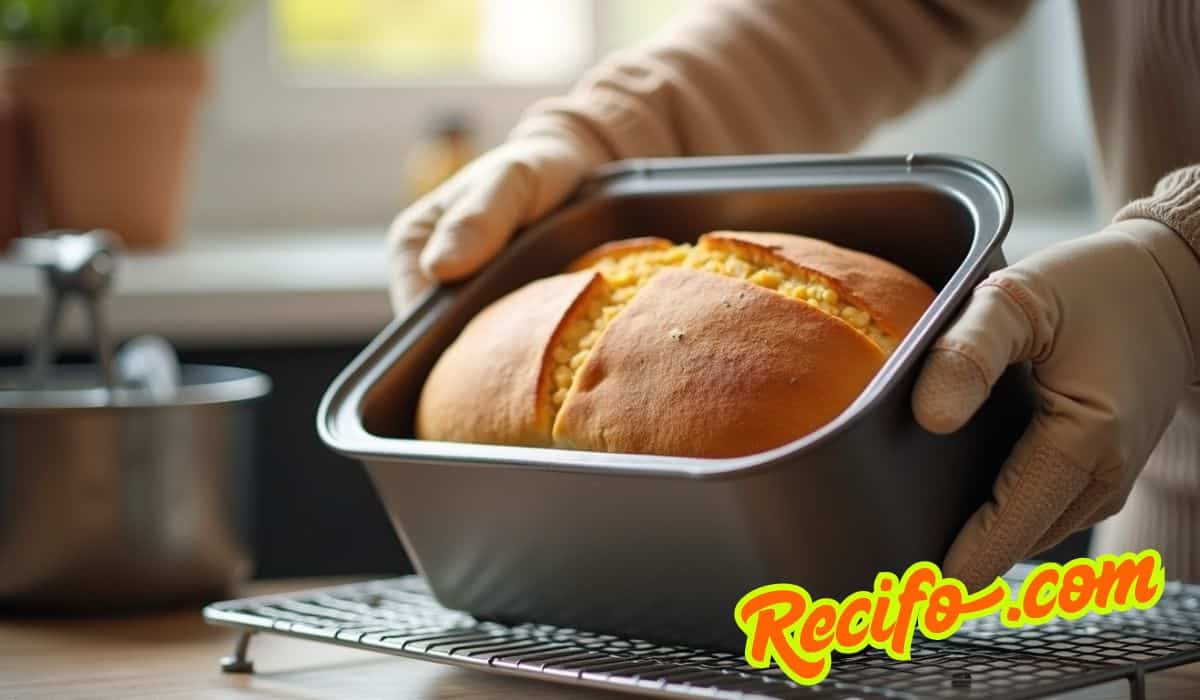
After the bread has cooled for a few minutes, you can remove the pan from the bread machine. Hold the pan by the handles (if your machine has them), or grip it carefully with the oven mitts. Gently lift the pan out of the machine. Be cautious not to jerk the pan, as that could cause the bread to shift or tear.
Loaf Release
To release the loaf from the pan, turn the pan upside down and gently tap it on a clean surface. The loaf should slide right out. If it doesn’t, use a rubber spatula to carefully loosen the edges of the bread. Don’t force it; if it’s stuck, gently work your way around the edges.
Paddle Removal
Sometimes, the kneading paddle can remain embedded in the loaf. If this happens, you can use a rubber spatula or your fingers to gently wiggle the paddle loose. If the paddle is particularly stuck, you can use a small tool like a pair of tongs or a bread hook to remove it without damaging the bread.
3. Post-Removal Care
Once the bread has been successfully removed, let it cool completely on a rack before slicing. Cutting into a hot loaf can cause it to lose its shape and make it difficult to slice neatly.
Cleaning the Pan
After the bread is removed, take the time to clean the pan thoroughly. Wash it with warm, soapy water, making sure to remove any bits of dough or crumbs. Dry the pan completely before storing it. Regular cleaning will help maintain the non-stick coating and ensure that your bread machine lasts longer.
Troubleshooting Common Issues
While the above steps should work for most people, some issues may still arise. Let’s take a look at some common problems and their solutions.
1. Bread Sticking to the Pan
Causes
- Worn-Out Non-Stick Coating: Over time, the non-stick coating can degrade, causing bread to stick.
- Excessive Moisture: Too much water in the dough can lead to a sticky loaf.
- Not Greasing the Pan: Failing to grease the pan before baking can cause bread to stick.
Solutions
- Grease the Pan: Always grease the pan before adding the ingredients. This will create a barrier that prevents the bread from sticking.
- Use Parchment Paper: You can also line the pan with parchment paper for an extra layer of protection.
- Check the Recipe: Ensure that the amount of liquid in your recipe is accurate. Adding too much water or liquid can make the dough too sticky.
2. Embedded Kneading Paddle
Prevention
- Remove the Paddle: If your machine allows, remove the kneading paddle before baking. This will prevent it from getting stuck in the bread.
- Use a Paddle-Specific Tool: Some bread machines come with tools designed to remove the paddle more easily.
Removal Tips
- Use a Spatula: Gently wiggle the paddle with a spatula or your fingers to release it.
- Be Gentle: Avoid forcing the paddle out, as this can tear the bread.
3. Crumbly or Misshapen Loaf
Causes
- Incorrect Ingredient Ratios: Too much or too little flour can cause the loaf to fall apart.
- Overmixing: Overmixing the dough can make it too dense, causing it to crumble.
- Wrong Flour Type: Using the wrong type of flour can result in a loaf that doesn’t hold together.
Fixes
- Follow Recipes Precisely: Always measure your ingredients accurately. If you’re experimenting with a new recipe, follow the instructions carefully.
- Don’t Overmix: Mix the dough just enough to incorporate the ingredients, but avoid overworking it.
- Use the Right Flour: Check the recipe for the recommended type of flour. For instance, bread flour is preferred for its higher gluten content, which provides better structure.
Maintenance Tips for Longevity
A bread machine is a long-term investment, and proper maintenance is essential to keep it running smoothly.
1. Regular Cleaning
Clean your bread machine after every use to ensure it stays in good condition. Wipe down the machine with a damp cloth, and wash the pan according to the manufacturer’s instructions.
2. Proper Storage
When storing your bread machine, ensure that all components are completely dry. Store the machine in a cool, dry place to prevent rust and damage to the electrical parts.
3. Periodic Checks
- Pan Inspection: Check the non-stick coating for any signs of wear. If it starts to peel or scratch, it may be time to replace the pan.
- Component Testing: Test the kneading paddle and other moving parts to ensure they’re working properly. If you notice any issues, contact the manufacturer for repairs.
Frequently Asked Questions (FAQs)
How can I prevent my bread from sticking to the pan?
Grease the pan before each use, or use parchment paper to line the pan. Additionally, ensure that your dough has the correct amount of moisture.
What should I do if the kneading paddle is stuck in the loaf?
Let the loaf cool for a few minutes and then gently remove the paddle using a spatula or small tool. Avoid forcing it out to prevent damage to the bread.
Is it necessary to remove the paddle before baking?
If your bread machine allows it, it’s a good idea to remove the paddle before baking. This prevents it from getting stuck in the loaf.
Why is my loaf coming out crumbly?
Crumbly loaves are often caused by incorrect ingredient ratios or overmixing. Make sure to follow the recipe closely and avoid overworking the dough.
How do I clean my bread machine?
Wipe the machine with a damp cloth after each use. Wash the pan as per the manufacturer’s instructions and ensure it is completely dry before storing.
Conclusion
Removing bread from a bread machine might seem like a small task, but getting it right can make a huge difference in the quality of your loaf. By following the tips and techniques shared in this guide, you’ll be able to remove your bread effortlessly without damaging it. Regular maintenance and care will also help keep your bread machine in good working order, ensuring that you can enjoy fresh, homemade bread for years to come. Happy baking!
Leave a Reply