
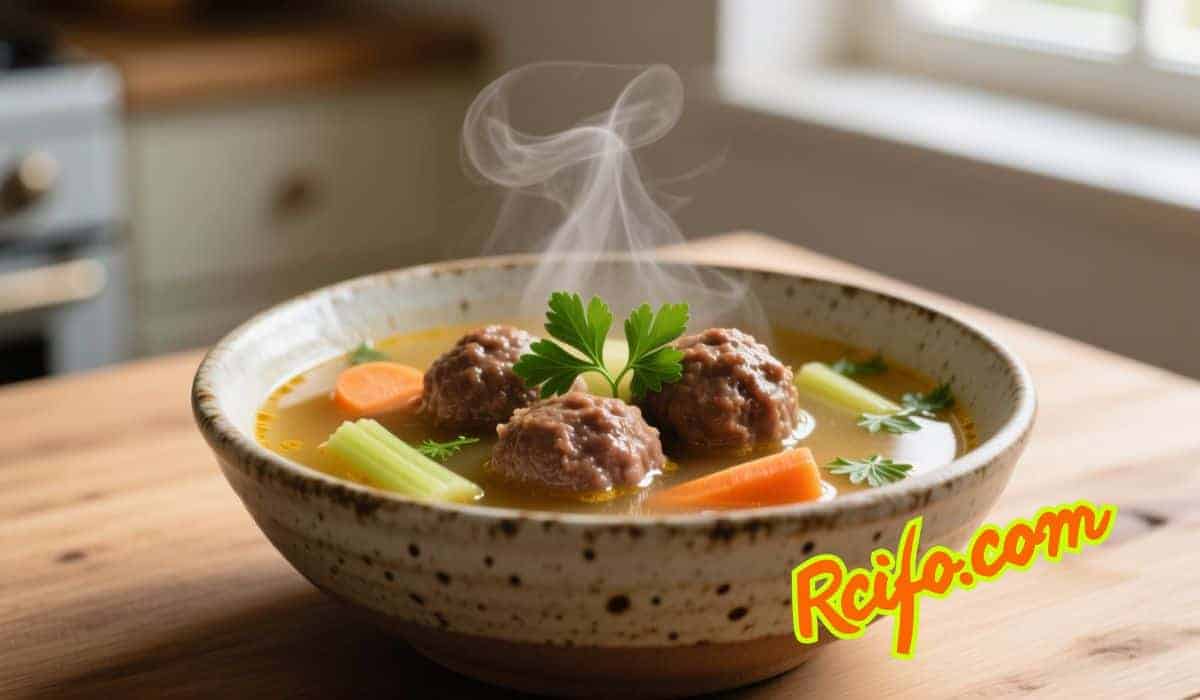

Meatball soup is one of those dishes that transcends seasons and cultures, delivering warmth, flavor, and comfort in every spoonful. Whether you’re enjoying it during a cold winter night or serving it as a hearty meal for your family, meatball soup provides an unforgettable dining experience.
In this comprehensive guide, we’ll walk you through everything you need to know about meatball soup, from its origins to step-by-step recipes, tips for making the best meatballs, variations from around the world, and answers to common questions. Ready to discover how to perfect this classic comfort food? Let’s dive in.
Table of Contents
Top pick
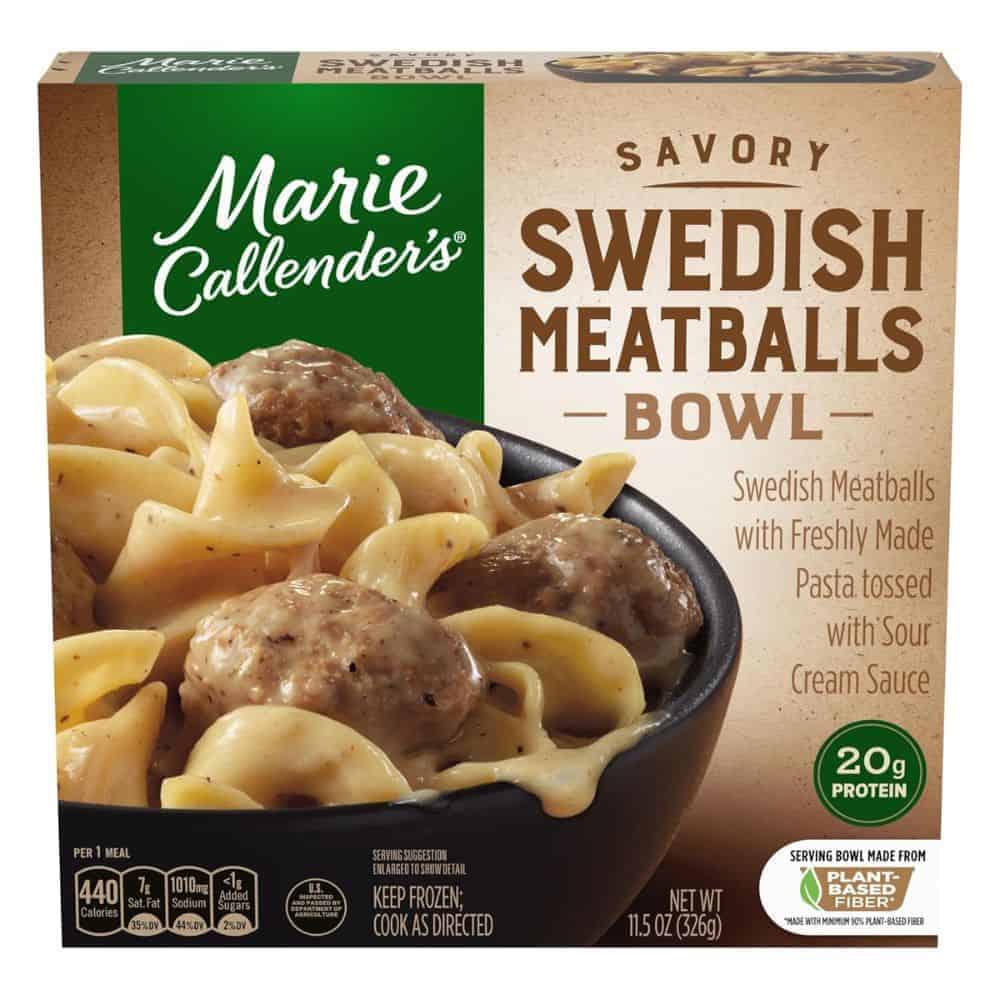
Marie Callender’s Swedish Meatballs
Editor’s choice
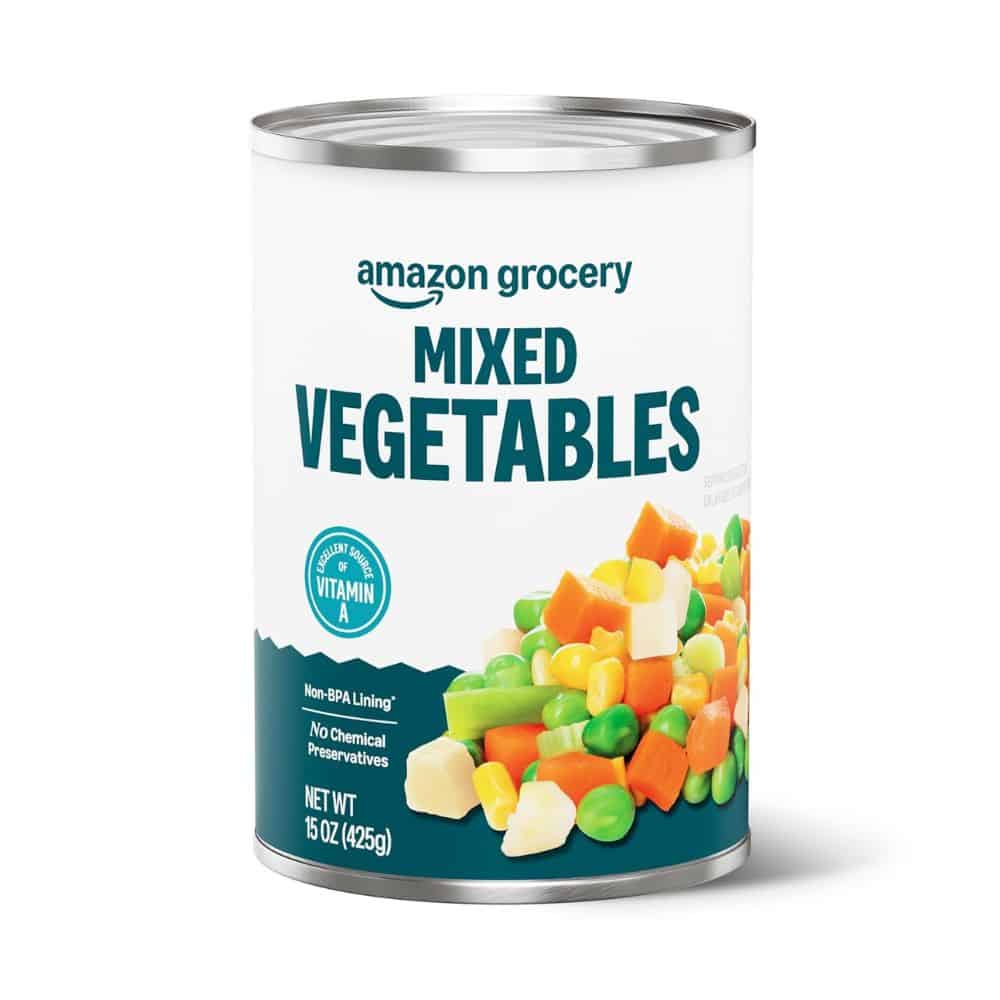
Canned Mixed Vegetables
Best value
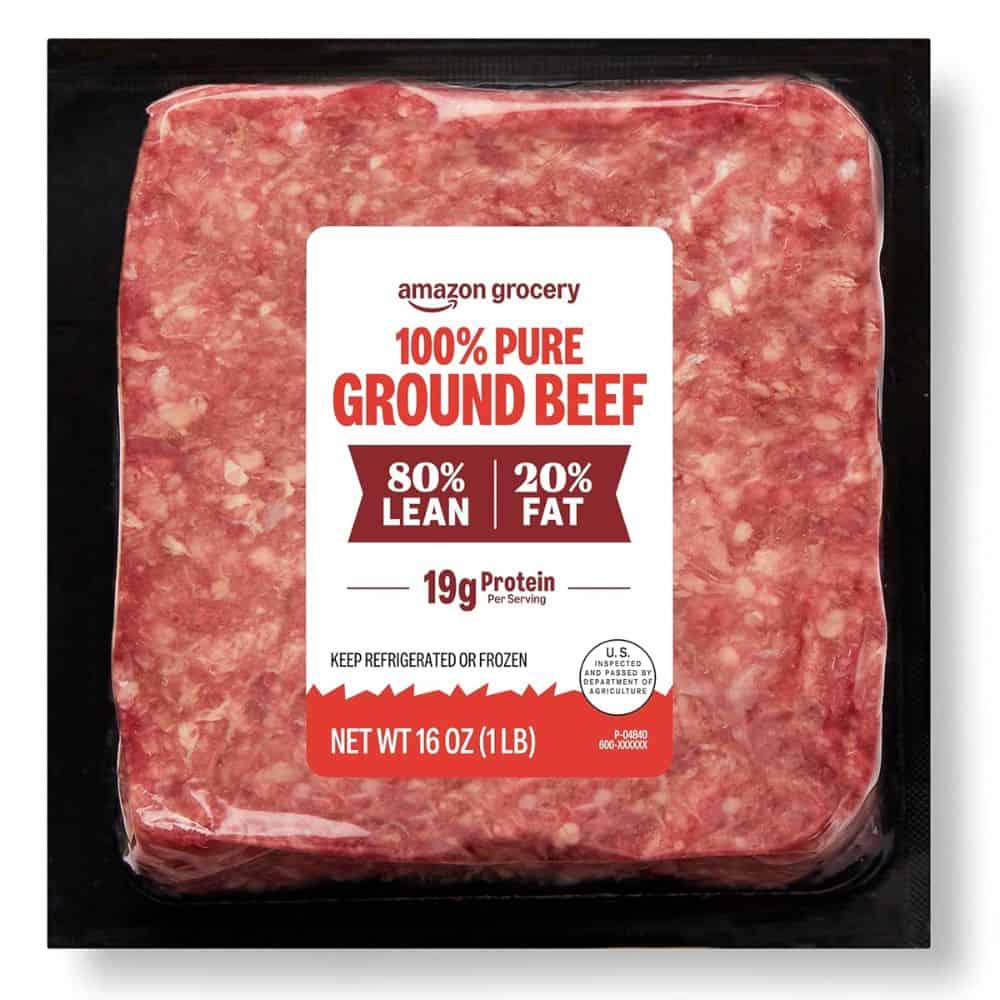
Ground Beef
What is Meatball Soup?
The Origins of Meatball Soup
Meatball soup has roots in several culinary traditions across the globe. While Italy and Sweden are often credited with popularizing the concept, nearly every culture has its version of meatballs swimming in a savory broth.
- Italian: The famous minestrone or stracciatella soups often include small meatballs, combining the flavors of rich tomato-based broths with fresh herbs.
- Swedish: Swedish meatballs (known as köttbullar) are typically served in a creamy broth with a hint of sweetness from lingonberries, offering a warm and satisfying dish.
- Middle Eastern: In the Levant, meatball soups often feature lamb or beef, combined with spices like cumin, coriander, and cinnamon, resulting in a rich and aromatic soup.
- Asian: Countries like Japan and China feature meatball soups with lighter broths, often using ginger, soy sauce, and sesame oil for a distinct flavor profile.
Meatball soup’s appeal comes from its versatility, allowing it to reflect a region’s unique spices, ingredients, and cooking techniques.
Why Meatball Soup is a Comforting Classic
The best thing about meatball soup is its simplicity and versatility. A good bowl of meatball soup can be light and brothy or rich and hearty, depending on your preferences. The combination of tender meatballs, fresh vegetables, and aromatic broth makes it a filling meal that pleases the senses. Additionally, meatballs add an extra layer of texture and flavor, transforming the humble soup into something extraordinary.
The Essential Ingredients for Meatball Soup
Meat Choices for Meatballs
The foundation of any great meatball soup is the meat used for the meatballs. While you can use any type of ground meat, each option brings its own flavor and texture to the dish.
- Beef: Ground beef is a classic choice, offering a robust flavor and texture. It pairs well with both rich tomato broths and lighter, clear broths.
- Pork: Pork meatballs are juicy and tender, thanks to their higher fat content. Pork works well with both sweet and savory broths.
- Chicken: Leaner than beef and pork, ground chicken makes for a lighter meatball, perfect for a more delicate broth.
- Turkey: Similar to chicken but with a slightly richer flavor, ground turkey is another great option for lighter soups.
- Lamb: A bit bolder in flavor, lamb meatballs are ideal for Mediterranean or Middle Eastern-inspired soups, often paired with spices like cumin and coriander.
For a more complex flavor, many recipes combine different meats—like beef and pork—for an optimal balance of flavor and moisture.
Vegetables and Broth
Vegetables and broth are the backbone of any great meatball soup. Here’s a look at the common vegetables and broths you’ll find in meatball soups:
- Common Vegetables:
- Carrots: Add sweetness and color to the soup.
- Celery: Provides a subtle, earthy flavor.
- Onions: Essential for creating a flavor base for the broth.
- Tomatoes: For tomato-based soups, fresh or canned tomatoes add richness and acidity.
- Potatoes: In some variations, potatoes are added to make the soup heartier.
- Leafy Greens: Spinach, kale, or Swiss chard are excellent additions, offering freshness and nutrients.
- Broth Options:
- Chicken Broth: Light and slightly savory, it’s often the go-to for meatball soup.
- Beef Broth: A richer option, perfect for more robust, hearty meatball soups.
- Vegetable Broth: Ideal for vegetarians or those looking for a lighter option.
- Homemade Broth: Making your own broth can elevate the soup to a whole new level, adding layers of complexity and flavor.
Spices and Seasonings
The spices and seasonings are what give meatball soup its distinct flavor. Here are some key ingredients:
- Garlic: Aromatic and essential in creating depth of flavor.
- Thyme: Its earthy, woodsy flavor is perfect for broths.
- Rosemary: A bold herb that pairs well with beef and lamb meatballs.
- Bay Leaves: Used to infuse the broth with subtle flavors.
- Cumin: Adds warmth and depth, especially in Middle Eastern-inspired soups.
- Paprika: Smoky or sweet, depending on your taste, it adds complexity to the broth.
- Salt and Pepper: These are basic but critical for bringing out all the other flavors.
How to Make Perfect Meatballs for Soup?
Step-by-Step Guide to Preparing Meatballs
Making the perfect meatballs involves a few simple steps, but the details make all the difference. Follow this guide to create tender and flavorful meatballs for your soup:
- Select Your Meat: Choose one or more types of ground meat (beef, pork, chicken, or turkey).
- Add Fillers: Use breadcrumbs or soaked bread to add moisture to the meatballs. This helps to prevent them from becoming too dense.
- Incorporate Eggs: Eggs act as a binder to help hold the meatballs together.
- Season Generously: Don’t be afraid to go heavy on the herbs and spices. Salt, pepper, garlic, and thyme are essential, but feel free to experiment with others like oregano or parsley.
- Shape the Meatballs: Roll the meat mixture into small, uniform balls. Don’t overwork the meat, as this can result in tough meatballs.
- Chill the Meatballs: If you have time, chill the meatballs in the fridge for 30 minutes before cooking. This helps them hold together better during cooking.
Baking vs. Frying Meatballs: Which is Better?
There are two main methods for cooking meatballs: baking and frying. Both have their advantages and disadvantages, so it’s up to you to choose the one that best fits your needs.
- Baking:
- Pros: Less oil, easy cleanup, even cooking.
- Cons: Less crispy, especially on the outside.
- Tip: If you prefer a crispy exterior, you can broil them for a few minutes after baking.
- Frying:
- Pros: Crispy, caramelized exterior adds flavor and texture.
- Cons: More oil, potential mess.
- Tip: Fry in batches to avoid overcrowding the pan.
How to Prevent Meatballs from Falling Apart in Soup?
To ensure your meatballs stay intact while simmering in the soup, consider these tips:
- Don’t Overmix: Overworking the meat can lead to tough meatballs.
- Use the Right Binder: Eggs and breadcrumbs are essential for holding the meatballs together.
- Chill the Meatballs: Let them rest in the fridge before cooking to help them firm up.
How to Make the Perfect Meatball Soup?
Creating the Base: Broth, Vegetables, and Seasoning
Start by building a rich flavor base. Here’s how:
- Sauté Aromatics: Begin by sautéing onions, garlic, and any other aromatics like carrots and celery. This creates a savory foundation for the broth.
- Add Broth: Pour in your choice of broth (chicken, beef, or vegetable) and bring to a simmer.
- Add Seasonings: Add your spices and herbs. A few bay leaves and a sprinkle of thyme can add wonderful depth to the broth.
Adding the Meatballs to the Soup: Timing and Technique
Once the broth is simmering, add your meatballs:
- Drop Meatballs Gently: Use a spoon to gently lower meatballs into the broth. Avoid crowding the pot to ensure they cook evenly.
- Simmer Slowly: Allow the meatballs to cook slowly, ensuring they stay tender and juicy. Do not boil, as this can cause the meatballs to toughen.
Cooking Time: How Long Does Meatball Soup Need?
Simmering your meatball soup for 30-45 minutes ensures that the meatballs are cooked through and the flavors have had time to meld. Avoid cooking on high heat to prevent overcooking the meatballs.
Meatball Soup Recipe Variations
Italian Meatball Soup: A Classic Recipe
This traditional recipe features homemade marinara sauce, basil, and Parmesan.
- Ingredients:
- Ground beef and pork
- Fresh breadcrumbs, garlic, eggs
- Tomato-based broth with basil and oregano
- Parmesan cheese for garnish
Swedish Meatball Soup: Comfort with a Twist
Creamy broth, lingonberries, and pickled cucumbers make this soup unique.
- Ingredients:
- Ground beef and pork meatballs
- Creamy broth with a hint of sweetness
- Lingonberry jam for a Swedish touch
Asian-Inspired Meatball Soup
A lighter, more delicate broth, often flavored with ginger, soy sauce, and sesame oil.
- Ingredients:
- Ground chicken or turkey
- Bok choy, ginger, and green onions
- Soy sauce and sesame oil for seasoning
Spicy Meatball Soup: A Bold Twist
For those who like it hot, this version features chili peppers and smoky paprika.
- Ingredients:
- Ground beef or pork
- Chipotle, chili powder, and smoked paprika
- Jalapeños and cilantro for garnish
Meatball Soup Toppings and Add-ins
Cheese: The Ultimate Comfort Food Topper
Sprinkle Parmesan, mozzarella, or feta cheese on top for a creamy, melty finish.
Fresh Herbs and Garnishes
Top your soup with fresh herbs like basil, parsley, or cilantro for a burst of flavor. Add a squeeze of lemon or a dollop of sour cream for extra creaminess.
Noodles, Rice, or Potatoes?
To make the soup heartier, consider adding pasta, rice, or potatoes. Noodles like small shells or ditalini are perfect for soaking up the broth.
Tips and Tricks for Making the Best Meatball Soup
- How to Make Your Meatballs Extra Flavorful: Add grated cheese (like Parmesan) or finely chopped herbs to the meat mixture.
- How to Keep Meatballs Tender: Handle the meat mixture gently, and avoid overcooking.
- How to Store and Reheat Leftover Meatball Soup: Store in an airtight container and reheat on low heat to avoid overcooking.
Common Mistakes to Avoid When Making Meatball Soup
- Overcooking Meatballs: This can cause the meatballs to become dry and tough. Simmer gently.
- Using Low-Quality Ingredients: The flavor of the meat, broth, and spices can make or break your soup.
- Not Letting the Soup Simmer Long Enough: Give your soup time to develop flavors.
Frequently Asked Questions (FAQ)
Can I Make Meatball Soup Ahead of Time?
Yes! Meatball soup often tastes even better the next day. Store it in the fridge for up to 3 days or freeze it for longer storage.
Can I Use Store-Bought Meatballs?
While homemade meatballs offer the best flavor and texture, store-bought meatballs can be used in a pinch.
What If My Meatballs Are Too Dense?
If your meatballs are too dense, try adding more breadcrumbs or a bit more fat to the mixture to improve the texture.
Conclusion
Meatball soup is the epitome of comfort food. With a few simple ingredients and some thoughtful preparation, you can create a dish that’s perfect for any occasion. Whether you’re making a classic Italian version or experimenting with spicy or Asian flavors, meatball soup can be customized to suit your taste. So grab your apron, get in the kitchen, and enjoy the process of making this timeless, delicious dish.
Leave a Reply