
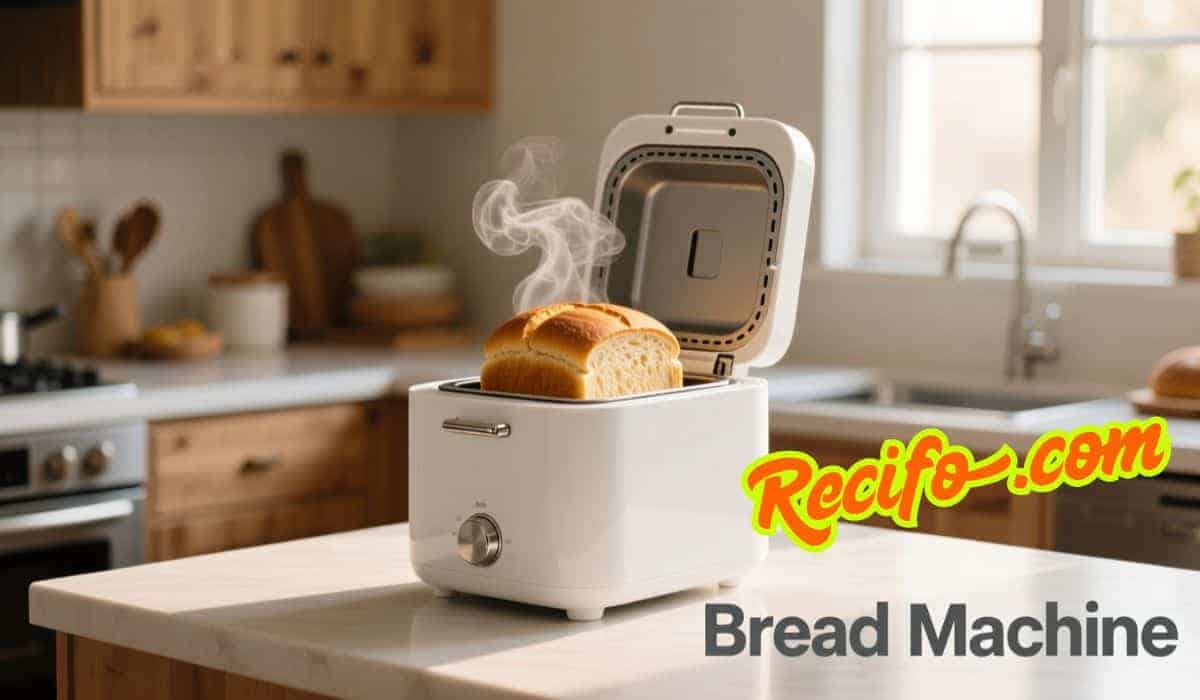

In recent years, baking bread at home has surged in popularity. Whether you’re aiming to save money, control ingredients, or simply enjoy the aroma of freshly baked bread, a bread machine can be a game-changer. With countless models available, each boasting unique features, choosing the right bread machine for your kitchen can be daunting. This guide will walk you through everything you need to know before making a purchase, offering expert opinions, detailed comparisons, and top recommendations.
By the end of this guide, you’ll know exactly what to look for in a bread machine, which models are best for various needs, and how to make the most out of your machine
Key Factors to Consider When Buying a Bread Machine
Before you dive into the details of the top bread machines on the market, it’s essential to understand the key features that differentiate them. Here are the most important factors to keep in mind:
1. Capacity and Size
The size of the loaf you want to bake directly affects the type of machine you should consider. Bread machines typically range from small models with 1-lb loaf capacities to larger ones that can handle 2-lb loaves and more. Larger machines are perfect for big families or frequent bakers, while smaller models are ideal for individuals or couples.
- 1-lb loaf machines: Great for single servings or small households.
- 1.5-lb loaf machines: A versatile option for medium-sized families.
- 2-lb loaf machines: Ideal for larger households or if you plan on baking more than once a week.
2. Bread Types and Settings
Not all bread machines are created equal when it comes to the types of bread they can make. If you’re a fan of more than just basic white bread, you’ll want a machine with multiple settings. Look for the following features:
- Whole Wheat & Multigrain: These settings are crucial if you want to make bread with healthier grains.
- Gluten-Free: If you have dietary restrictions, a bread machine with a gluten-free setting will ensure that the dough rises properly and the bread is baked to perfection.
- French & Italian Breads: These are typically more advanced settings that offer artisanal-style crust and texture.
- Dough Only: This setting lets you knead dough without baking it, perfect for making pizza, rolls, or other baked goods.
3. Ease of Use and User Interface
Some bread machines come with simple push-button interfaces, while others have more advanced touchscreens. Choose a machine with controls that suit your preferences:
- Simple models: Easy to use with basic settings for beginners.
- Advanced models: Touchscreen interfaces, custom settings, and programmable options for more experienced bakers.
4. Durability and Build Quality
When it comes to bread machines, you’ll want something built to last. Look for machines with solid, stainless-steel construction as they tend to be more durable and resistant to wear. Also, check the build quality of components like kneading paddles and the pan. These parts should be sturdy and resistant to wear and tear.
5. Noise Level
Some bread machines can be quite noisy while kneading, especially on higher speeds. If noise is a concern, look for machines that advertise quieter operations. Most machines are reasonably quiet when baking, but kneading can produce more sound.
6. Additional Features
Additional features can make your bread machine experience much more enjoyable and flexible:
- Delay Timer: This allows you to set your machine to start baking at a later time, so you can wake up to fresh bread in the morning or have it ready after a long day at work.
- Crust Settings: Most bread machines offer options for light, medium, or dark crust. This can make a significant difference if you prefer a certain level of crispiness.
- Auto Shut-off: If you’re worried about over-baking, this feature automatically turns off the machine once the baking cycle is complete.
Top 5 Bread Machines for Home Use in 2025
Now that we’ve discussed the key features to look for, let’s dive into some of the top bread machines on the market in 2025. These models are highly rated by users and experts alike for their performance, reliability, and versatility.
1. Zojirushi Home Bakery Virtuoso Plus
Overview
Zojirushi is known for producing some of the highest-quality bread machines, and the Virtuoso Plus is no exception. With a 2-lb loaf capacity, dual kneading blades, and multiple settings for a variety of bread types, this machine is a top contender for home bakers looking for versatility and quality.
Top pick
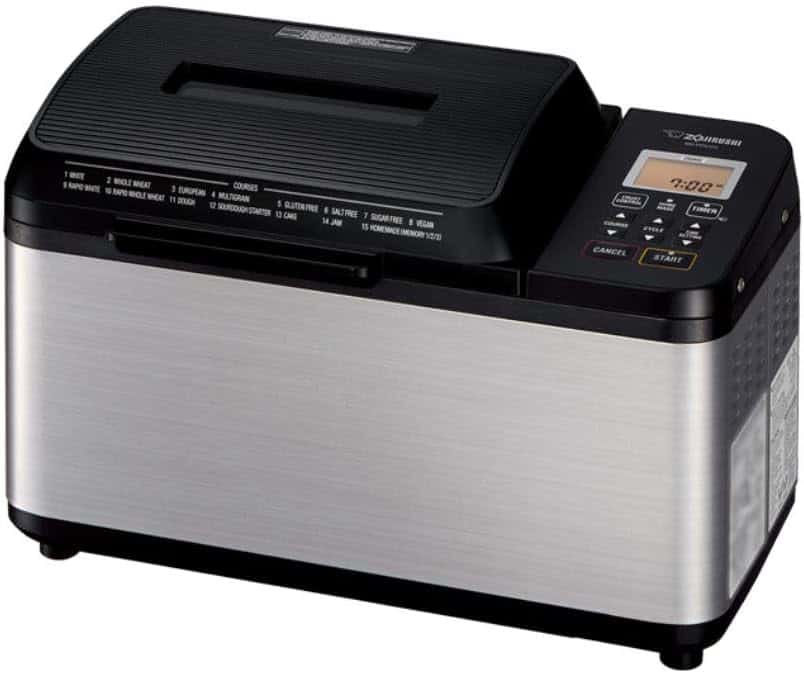
Zojirushi Home Bakery Virtuoso Plus
Pros
- Dual kneading blades for even mixing.
- Multiple bread settings including whole wheat, gluten-free, and French bread.
- Large viewing window for monitoring the baking process.
- Consistent and reliable results with minimal effort.
Cons
- Higher price point compared to other models.
- Can be noisy during the kneading phase.
2. Cuisinart CBK-200 Convection Bread Maker
Overview
The Cuisinart CBK-200 features convection baking, which helps distribute heat evenly across the bread for a more consistent and well-baked loaf. With a 2-lb capacity, this machine has a variety of settings for different types of bread and dough.
Best Choice
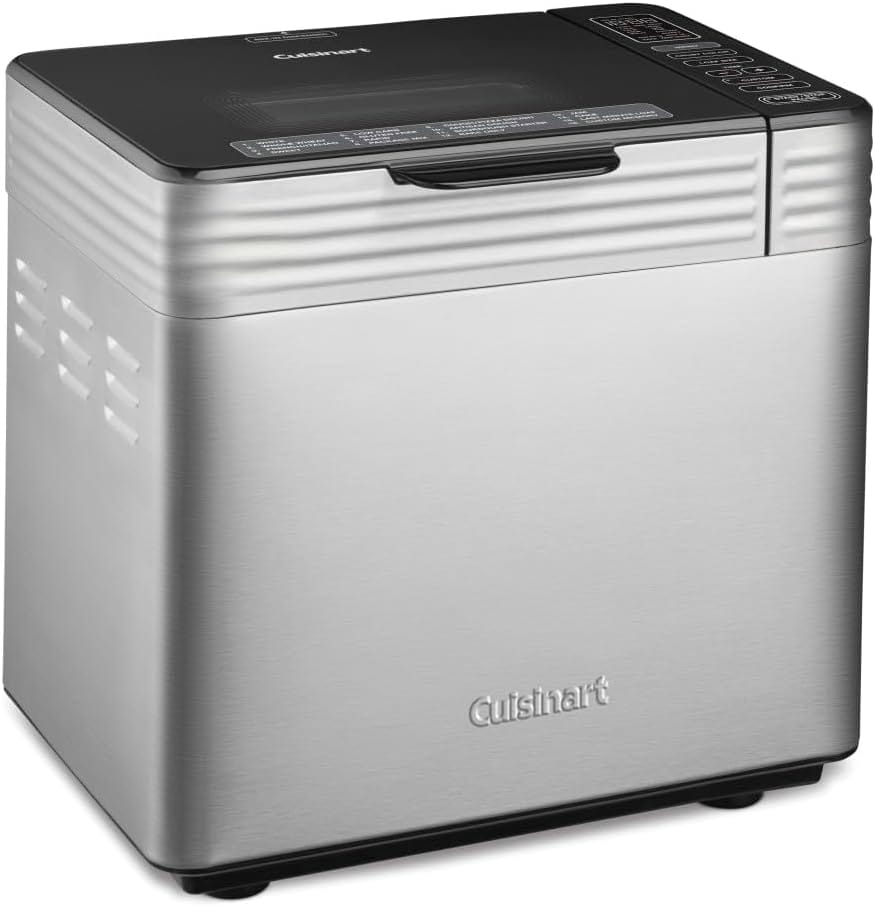
Cuisinart CBK-200
Pros
- Convection fan for better heat distribution and improved crust.
- User-friendly interface with clear buttons and settings.
- Can bake different types of bread, including low-carb options.
Cons
- Larger size, which might not be ideal for small kitchens.
- Slightly more complex to clean due to the convection fan.
3. Panasonic SD-YD250 Automatic Bread Maker
Overview
Panasonic’s SD-YD250 is a favorite for those who want a reliable bread machine that delivers consistent results. With its 2-lb loaf capacity and unique “dual baking” feature, this machine offers high flexibility for all your bread-making needs.
Overall Good
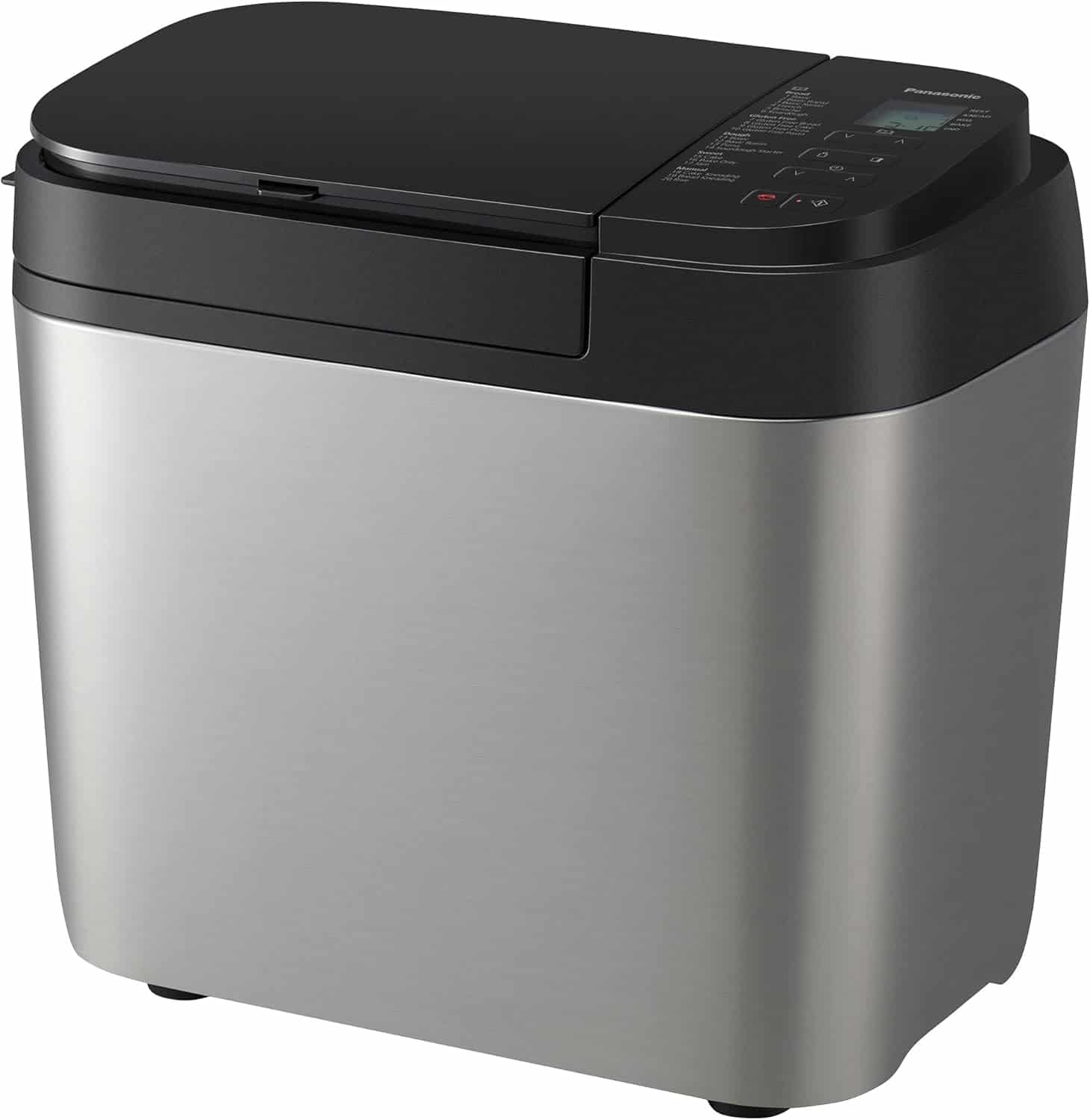
Panasonic SD-YD250
Pros
- Dual baking system ensures perfectly baked bread.
- Compact design for smaller kitchens.
- Offers a rapid bake setting for quicker results.
Cons
- Doesn’t have a gluten-free setting.
- Limited crust control options.
4. Breville BBM800XL Custom Loaf Bread Maker
Overview
Breville is known for its premium kitchen appliances, and the BBM800XL Custom Loaf Bread Maker is no exception. This machine offers a range of customizable options for bread lovers who want full control over the baking process.
Best Price
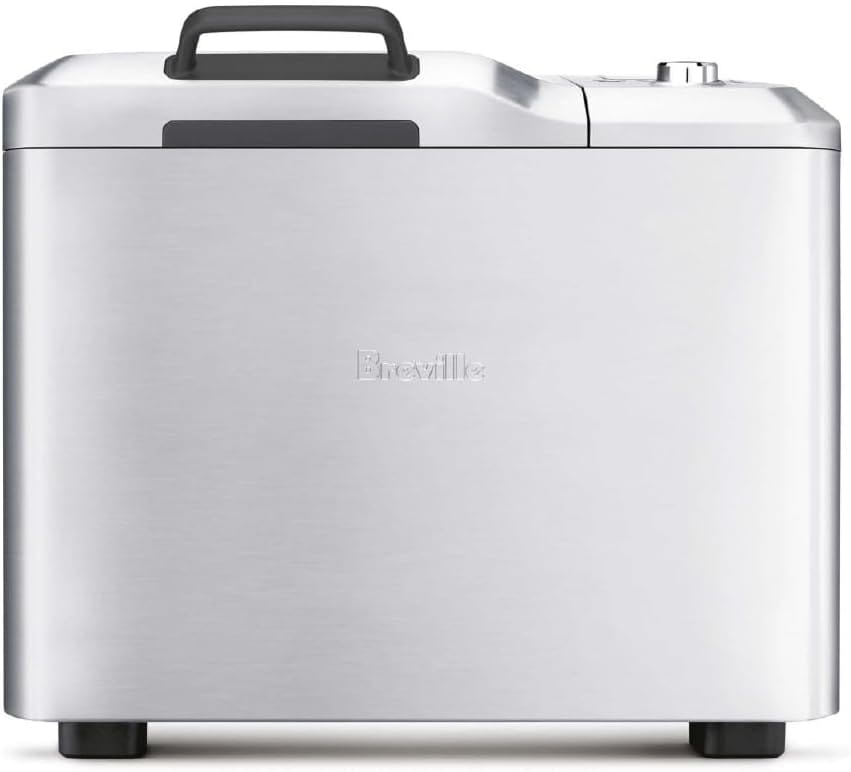
Breville BBM800XL Custom Loaf Bread Maker
Pros
- Customizable settings for crust color, loaf size, and more.
- Includes a fruit and nut dispenser for adding ingredients during baking.
- High-quality stainless-steel construction.
Cons
- Expensive compared to other bread machines.
- Large footprint may take up a lot of space on the countertop.
5. Hamilton Beach 29882 Bread Maker
Overview
For those on a budget, the Hamilton Beach 29882 is a fantastic choice. It may lack some of the advanced features of pricier models, but it still offers a 2-lb loaf capacity, a dough setting, and multiple programs for different bread types.
Easy To Operate
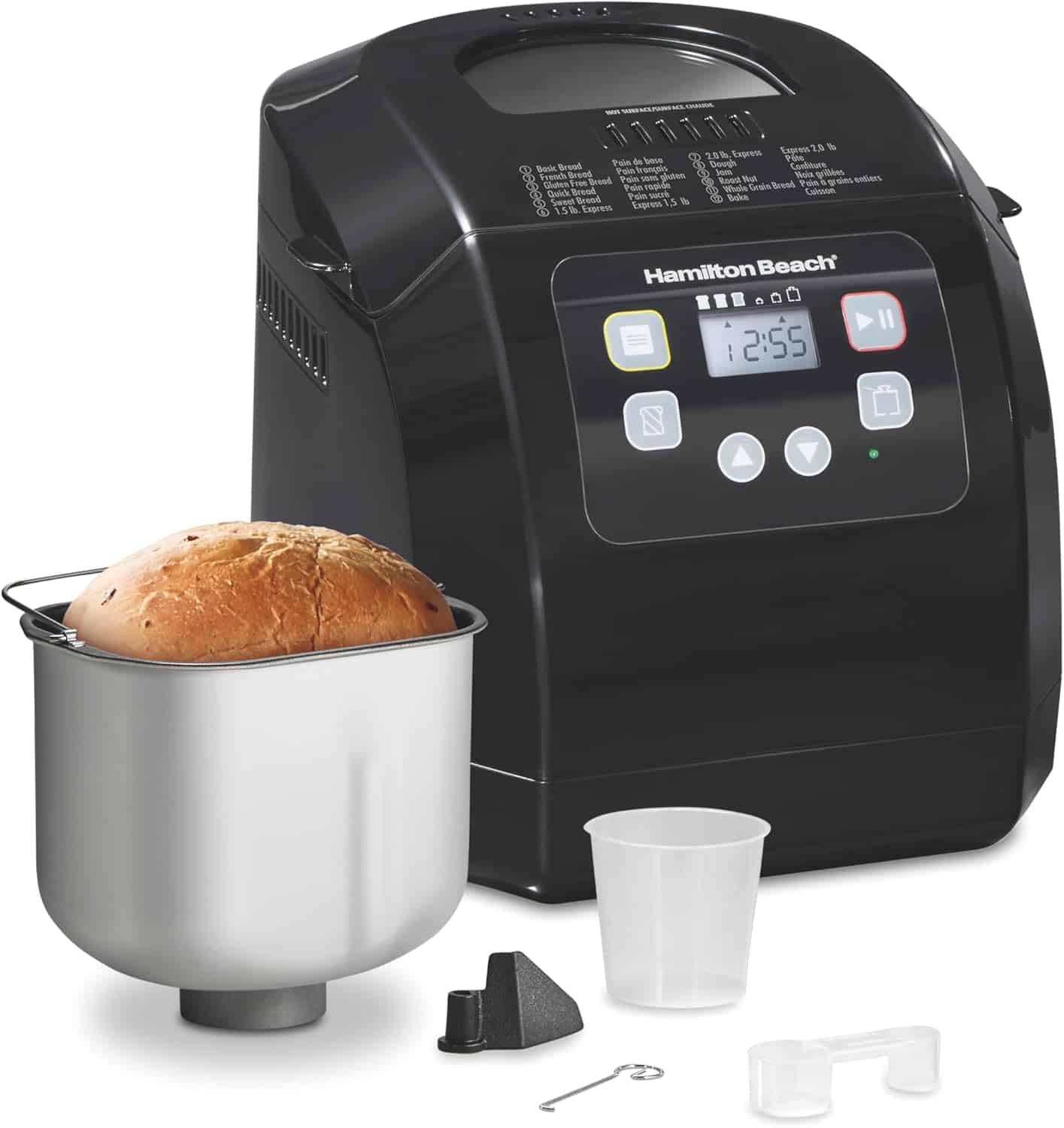
Hamilton Beach 29882 Bread Maker
Pros
- Affordable price point.
- Simple and easy to use for beginners.
- Decent range of settings for basic bread types.
Cons
- No gluten-free setting.
- The quality of materials may not be as durable as higher-end models.
Comparing Features: Which Bread Machine Is Best for You?
Choosing the right bread machine depends largely on your specific needs. Here’s a comparison of the top models based on different priorities.
| Feature | Zojirushi Virtuoso Plus | Cuisinart CBK-200 | Panasonic SD-YD250 | Breville BBM800XL | Hamilton Beach 29882 |
|---|---|---|---|---|---|
| Loaf Capacity | 2 lb | 2 lb | 2 lb | 2 lb | 2 lb |
| Settings | 10+ (Whole Wheat, Gluten-Free, etc.) | 16 (Convection, French, etc.) | 4 basic + rapid bake | 13 custom settings | 12 settings |
| Gluten-Free Setting | Yes | No | No | Yes | No |
| Convection Fan | No | Yes | No | No | No |
| Price | High | Mid-range | Mid-range | High | Budget |
| Ease of Use | User-friendly | Easy-to-use | Simple | Complex | Simple |
| Durability | Excellent | Good | Good | Excellent | Good |
Step-by-Step Guide to Using Your Bread Machine
Getting the most out of your bread machine requires a little knowledge and practice. Here’s a step-by-step guide to help you along the way:
1. Preparing Ingredients
Measure your ingredients precisely. Too much flour or water can result in a dense loaf, while too little can lead to undercooking
. Always follow the recipe provided with your bread machine for best results.
2. Setting the Machine
Choose the appropriate setting based on what you’re baking. If you’re unsure, many bread machines come with preset programs for standard breads like white, whole wheat, and French.
3. Troubleshooting Common Issues
- Dense Bread: This could be caused by too much flour, not enough yeast, or using cold ingredients. Try reducing the flour or increasing the yeast.
- Overflows: Overfilling the pan or using the wrong program can lead to messy overflows. Always use the recommended loaf size.
- Uneven Baking: Ensure your bread machine is on a flat surface and is well-ventilated.
Expert Opinion: Should You Buy a Bread Machine in 2025?
Pros of Owning a Bread Machine
- Fresh Bread Anytime: Bread machines give you the ability to bake fresh bread at any time without having to leave your home.
- Control Over Ingredients: If you’re concerned about preservatives or allergens, baking at home ensures complete control over the ingredients.
- Time-Saving: Bread machines automate most of the process, saving you hours of kneading and waiting for dough to rise.
Cons of Owning a Bread Machine
- Space: Some machines can be bulky and take up valuable counter space.
- Price: High-quality bread machines can be expensive, though they’re a great long-term investment.
Frequently Asked Questions (FAQ)
How long does it take to bake a loaf of bread in a bread machine?
Most bread machines take between 3 to 4 hours to bake a standard loaf. The rapid bake option can take as little as 1.5 hours.
Can you use bread machines to make other types of dough?
Yes! Most bread machines can knead dough for pizza, rolls, and even cakes.
Are bread machines worth the investment if I already bake by hand?
If you love baking bread but want a more hands-off approach, a bread machine can be a worthwhile investment, saving you time and effort.
Conclusion
Choosing the right bread machine is more than just picking the first model you see. By considering factors like loaf capacity, available settings, ease of use, and build quality, you can find the perfect machine for your baking needs. Whether you’re baking for yourself or a large family, there’s a bread machine out there that can help you create the perfect loaf every time.
Which model did you choose? Let us know in the comments below, and share your bread-making experiences with us!
Leave a Reply