


Most parts of a cuisinart food processor aren’t dishwasher safe, though some removable pieces can handle the heat. You must check your specific model’s manual to see if your work bowl, lid, or blade is safe for the top rack, as high heat often warps plastic or dulls sharp edges.
Table of Contents
Cleaning your Cuisinart food processor parts
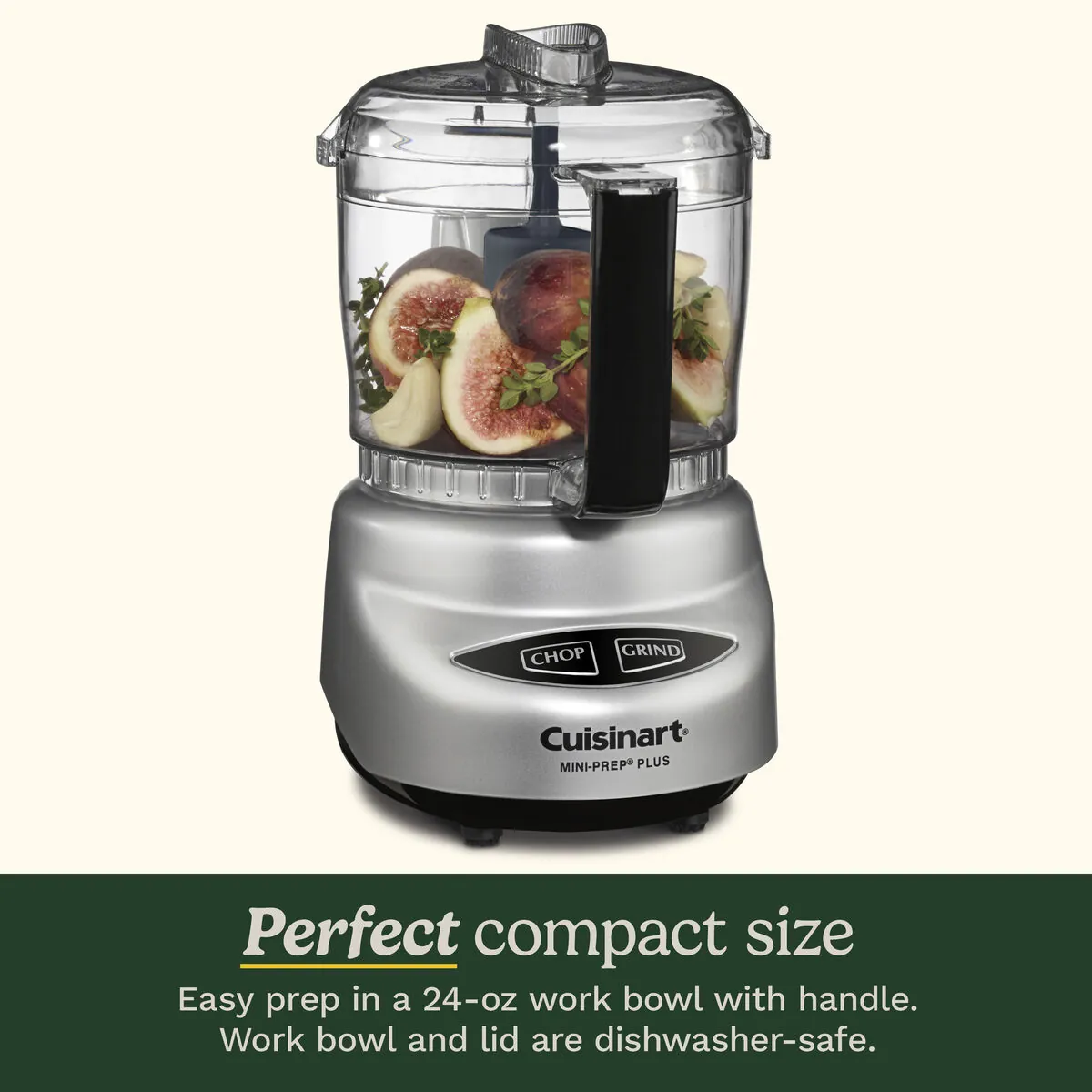
You should wash the base by hand with a damp cloth, as it contains electrical parts that will break if submerged in water. For the removable attachments, most manufacturers advise against the dishwasher because the high heat and harsh detergents can damage the materials over time.
- Always hand wash the metal blades to keep them sharp and free of rust.
- Place only the plastic work bowl and lid on the top rack if your manual confirms they’re heat-resistant.
- Avoid using the “heated dry” cycle even for dishwasher-safe parts, as this can cause warping.
- Check the official Cuisinart product support page for your specific model number before putting any part in the dishwasher.
- Use mild dish soap and a soft sponge to clean your components to avoid scratching the plastic surfaces.
How Much Detergent Does a Standard Dishwasher Need
Why heat ruins processor parts?
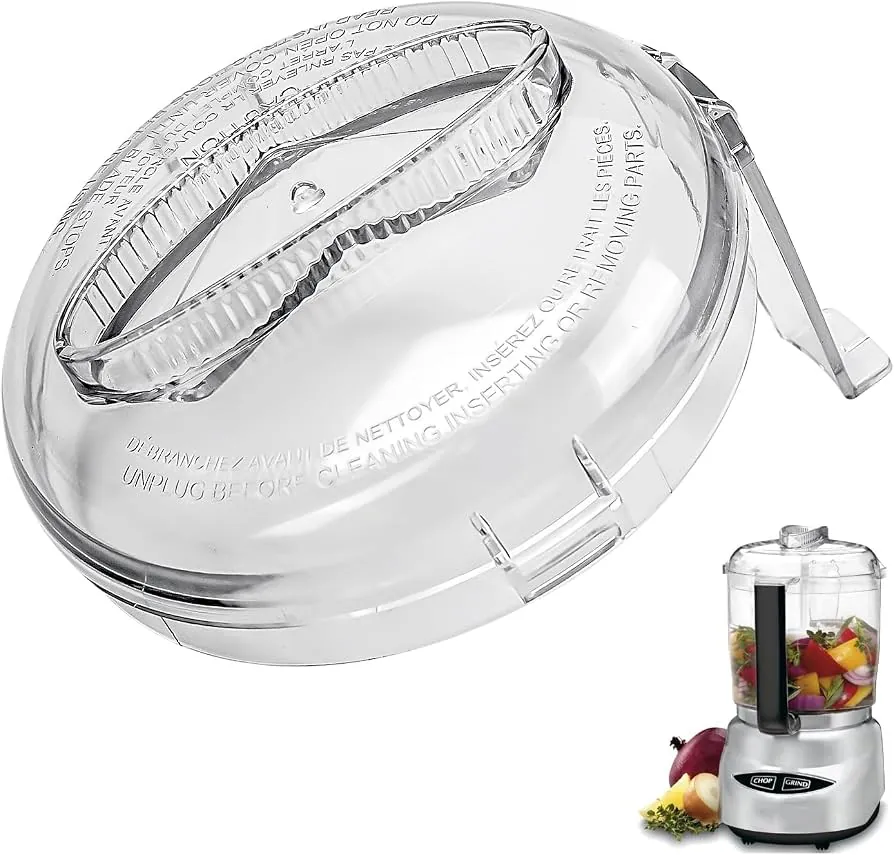
The primary reason you should avoid the dishwasher is the combination of extreme temperature and strong chemical detergents. Most food processor bowls are made of polycarbonate or similar plastics that can lose their shape or crack when exposed to the high-heat cycles found in modern dishwashers.
Metal blades present a different challenge because the dishwasher environment promotes oxidation. The United States Department of Agriculture notes that while dishwashers are effective at sanitizing, the abrasive action of water jets can strip protective coatings off delicate kitchen tools. For a sharp blade, this means it will lose its edge much faster than if you wash it by hand.
If you have a high-end model with a metal-reinforced shaft, the dishwasher can also cause the metal to expand at a different rate than the plastic housing. This difference often leads to tiny cracks where food particles can hide and grow bacteria. If you’re unsure about a part, it’s always safer to use warm soapy water and a soft cloth to ensure the tool lasts as long as possible.
When to avoid the dishwasher?
Not all parts are built the same way, and some materials will fail faster than others when subjected to machine washing.
| Situation | What changes | What to do instead |
|---|---|---|
| Metal blades | Sharpness drops | Hand wash and dry |
| Older models | Plastic becomes brittle | Hand wash only |
| Rubber seals | Gaskets lose shape | Remove and hand wash |
| Coloured plastic | Finish fades | Use mild soap only |
| Cracked bowls | Bacteria trap | Replace the part |
How to clean your processor safely?
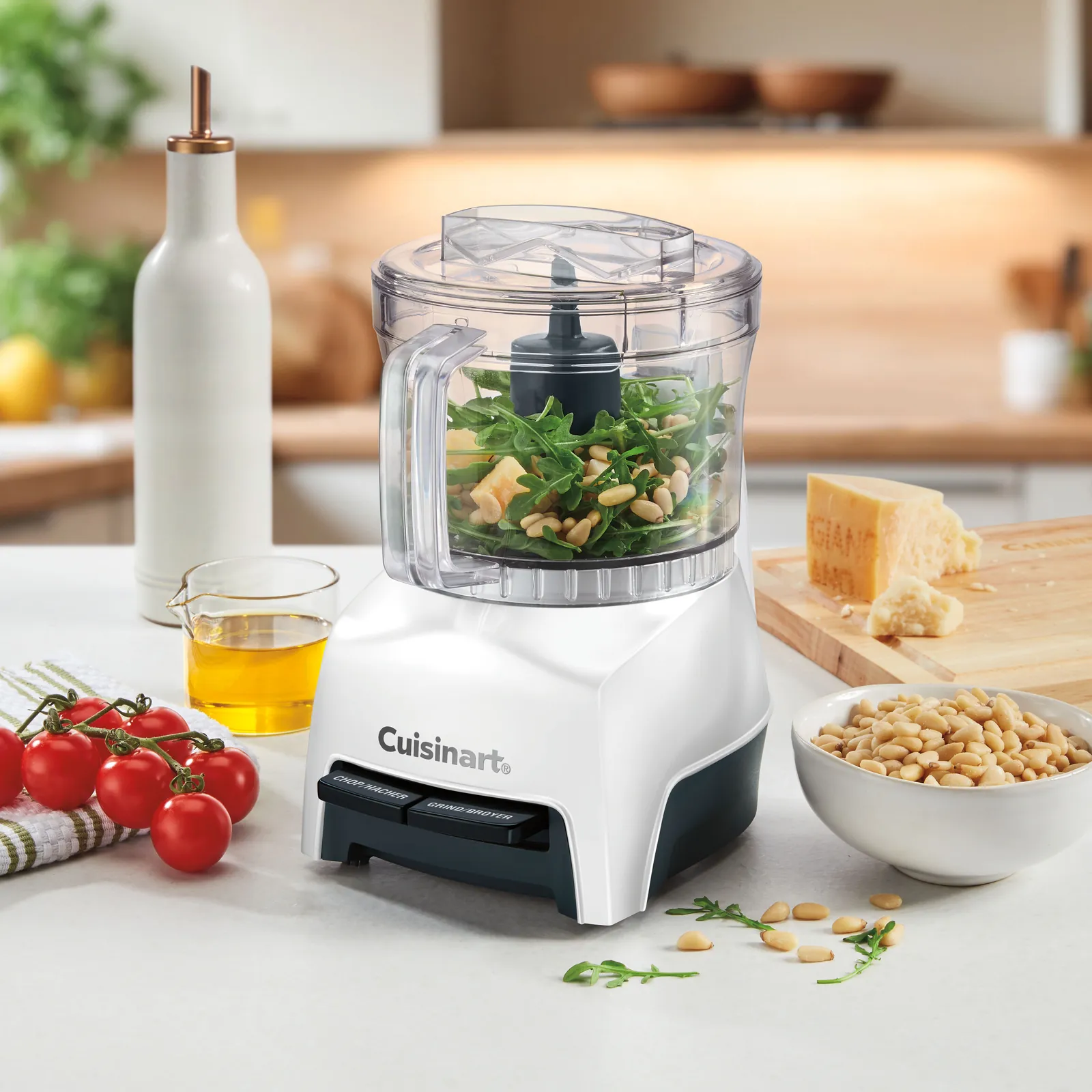
Cleaning your food processor by hand ensures that the motor stays dry and the blades remain effective for years. Follow these steps to maintain your machine properly.
- Unplug the base from the wall outlet before you begin any cleaning to prevent accidental activation.
- Remove the work bowl, lid, and blade from the base unit immediately after you finish your food preparation tasks.
- Fill your sink with warm water and a few drops of mild dish soap to create a gentle cleaning solution.
- Scrub the plastic bowl and lid using a soft cloth; avoid steel wool or abrasive pads that leave permanent scratches.
- Hold the metal blade by the central plastic hub, carefully cleaning the edges with a long-handled brush to keep your fingers away from the sharp metal.
- Rinse all parts thoroughly with clean water to remove any soap residue that could affect the taste of future recipes.
- Dry every piece completely with a clean towel before you reassemble the unit to prevent moisture buildup inside the bowl.
Mistakes that ruin your machine
- Putting the base in the sink or dishwasher will cause a short circuit and destroy the motor unit.
- Running blades through the dishwasher dulls the edges, which forces the motor to work harder to chop food.
- Using harsh bleach or heavy-duty degreasers can cloud the clear plastic bowl and make it brittle over time.
- Leaving food residue on parts for too long can stain the plastic, making it harder to clean later.
Frequently asked questions
Can I wash the base of my food processor?
No, you should never submerge the base of your food processor in water or put it in the dishwasher. The base houses the motor and electrical wiring, which will suffer permanent damage if they get wet. Wipe the exterior with a damp cloth and dry it immediately to keep the finish clean.
Why is my plastic bowl turning cloudy?
High-heat cycles or harsh chemicals often cause cloudiness by breaking down the plastic surface. Once the surface is etched by heat or abrasive scrubbers, it becomes more prone to staining and bacteria.
How long should the blades stay sharp?
A blade stays sharp for several years if you avoid the dishwasher and keep it away from hard bones or frozen items. If you notice it takes longer to process the same amount of food, the edge is likely dull. You can usually buy a replacement blade from the manufacturer’s website if the performance drops.
Is it safe to use a dishwasher-safe bowl if it has a crack?
No, you should replace a cracked bowl immediately because it can shatter during use and trap food particles in the crevices. Cracks are often the result of heat stress from a dishwasher. A damaged bowl is no longer food-safe and could harbor bacteria that soap and water can’t reach.
Does the temperature of the water matter?
Yes, you should use warm, not boiling, water for hand washing to protect the plastic components. Boiling water can cause the plastic to warp, which prevents the bowl from locking into the base correctly. Stick to water temperatures that are comfortable for your hands to ensure the parts retain their shape.
What happens if I put the lid in the dishwasher?
The lid may warp, which prevents the safety interlock switch from engaging and stops the machine from turning on. Many lids have small springs or rubber gaskets that can fail if exposed to high heat. If your machine refuses to start after washing, check if the lid is still sitting perfectly flat on the bowl.
Conclusion
To keep your machine running smoothly for years, it’s best to hand-wash your components in warm, soapy water. This simple habit prevents warping and keeps the blades razor-sharp. You’ll find that a quick rinse right after cooking makes cleanup effortless, so you’re always ready for your next kitchen adventure.
Leave a Reply