
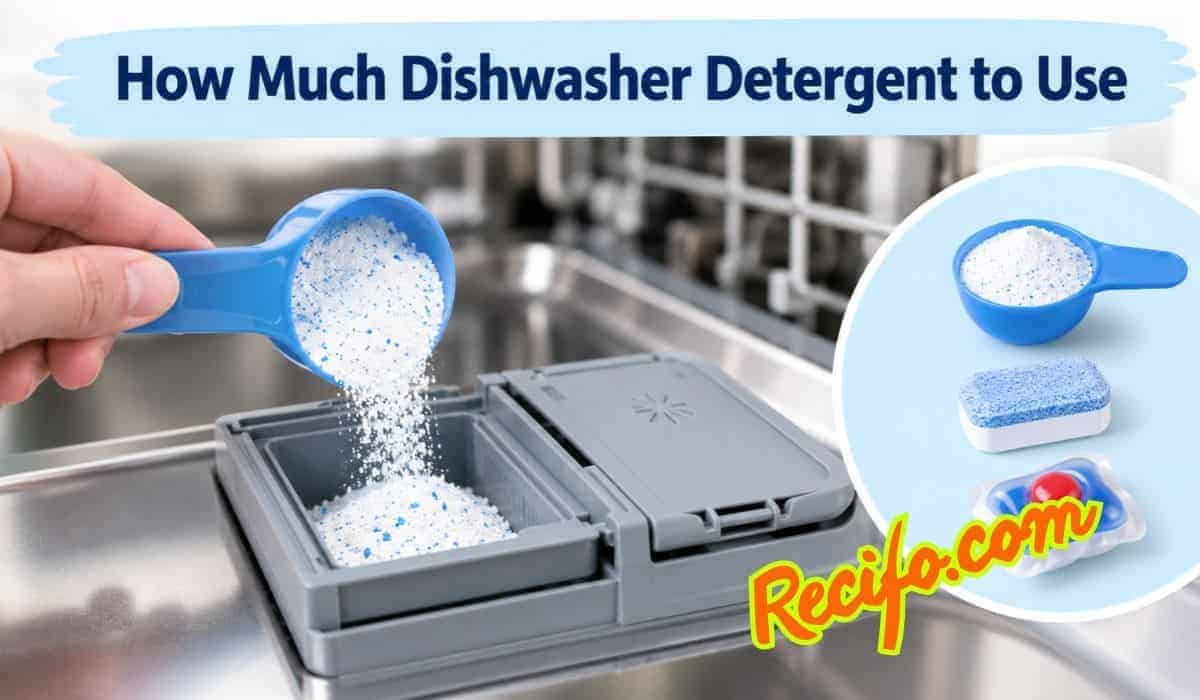

Most loads require only one tablespoon of detergent to clean dishes effectively, but the amount of dishwasher detergent to use depends on the hardness of your water. If you have soft water, you can often use less, while very hard water might need a little more.
Table of Contents
How much detergent your dishwasher needs?
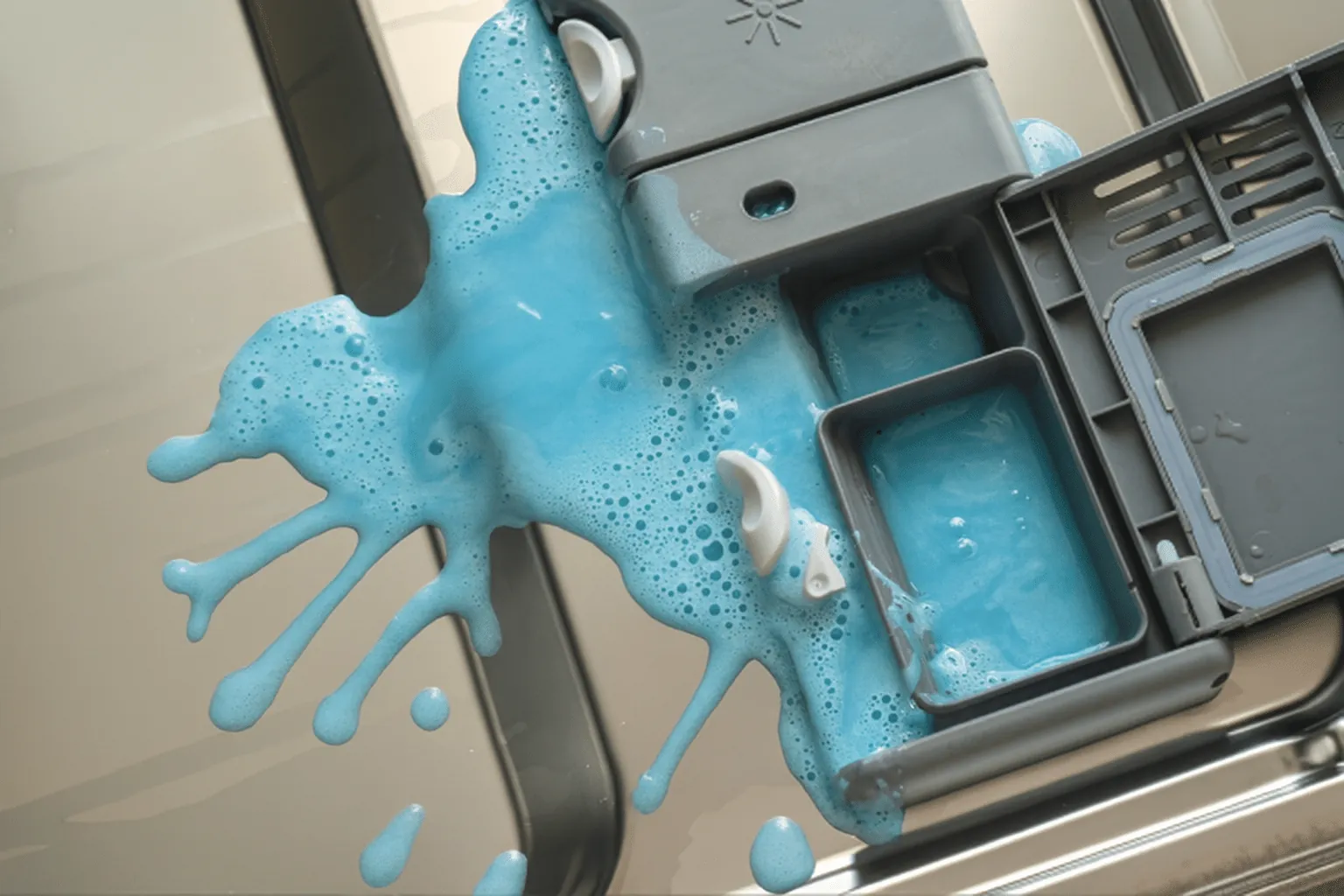
- Standard loads: Use one tablespoon of high-quality detergent for a full, normally soiled load.
- Soft water: Reduce the amount to one teaspoon, as too much soap causes streaks on glasses.
- Hard water: Use up to two tablespoons, but increase it slowly to avoid leaving a white film.
- Pre-wash cup: If your machine has a pre-wash compartment, add one teaspoon there for heavy soils.
- Gel vs. Powder: Always measure by tablespoon, regardless of the type, to ensure consistent cleaning results.
- Tablet usage: Use one tablet per cycle; don’t add extra powder if you’re already using a tablet.
Why measurement accuracy matters?
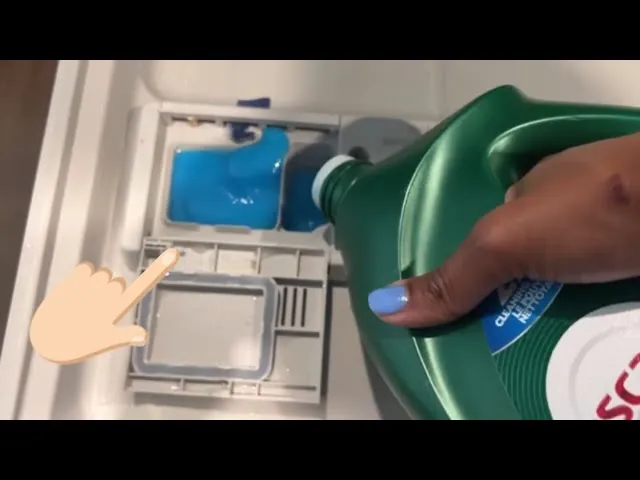
Using the correct amount of soap ensures your machine cleans effectively without damaging your dishes or the appliance. Excess detergent leaves a cloudy residue on glassware, which happens because the soap doesn’t rinse away completely in the final cycle.
If you add too much soap, it creates extra foam that can interfere with the spray arms and sensors inside the dishwasher. This buildup can also lead to clogs in the filter, forcing the pump to work harder than it should. Always check your appliance user manual for specific brand recommendations, as some modern machines are designed to operate with very little soap compared to older models.
Adjusting for different conditions
The table below shows how your specific situation changes the amount of soap you need. If your water source is unknown, you can test it with a simple kit or check your local water utility report.
| Situation | What changes | What to do instead |
|---|---|---|
| Soft water | Low mineral content | Use one teaspoon only |
| Hard water | High mineral content | Use two tablespoons |
| Half-full load | Less surface area | Use one-half tablespoon |
| Heavy grease | Soil level | Add one teaspoon pre-wash |
| Eco-cycle | Lower water usage | Reduce dose by half |
How to dose your dishwasher?
- Clear all large food scraps from your plates into the trash before placing them inside the dishwasher.
- Check the detergent dispenser door for a line indicating the maximum fill level for your specific machine.
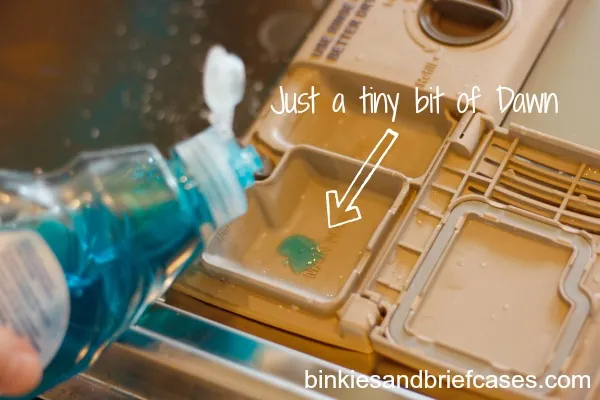
- Measure one tablespoon of powder or liquid detergent and pour it into the main wash compartment.
- Close the dispenser lid firmly until you hear a click, ensuring it doesn’t open prematurely during the cycle.
- If you have very hard water, add one additional teaspoon to the pre-wash cup for better results.
- Select the appropriate cycle based on the soil level, not just the amount of dishes inside the machine.
- Run the cycle and check for residue; if you see white streaks, reduce the amount by a half-teaspoon next time.
Mistakes that ruin your results
- Filling both dispenser cups for a standard load often leads to excessive foam and poor rinsing.
- Using hand dish soap causes massive sudsing that can leak from the door and damage the floor.
- Ignoring the NSF International guidelines for sanitation means you might not be killing bacteria effectively on your plates.
- Pouring detergent onto the bottom of the tub instead of the dispenser causes the soap to wash away instantly.
Frequently asked questions
How long does a box of detergent last?
A standard box typically lasts for 40 to 60 cycles depending on your water hardness and soil levels. If you consistently use the recommended one-tablespoon dose, you can calculate the lifespan by dividing the total tablespoons in the container by your average weekly usage.
Is it safe to use more detergent for dirty dishes?
Using more than two tablespoons is rarely necessary and often leads to a persistent white film on your dishes. If your dishes are still dirty after using the recommended amount, the issue is likely your water temperature or a clogged filter, not the soap.
What happens if I use too much detergent?
Excessive detergent leaves behind a dull, chalky residue that’s difficult to remove from glass and plastic surfaces. This buildup can also harden inside the machine’s internal parts, potentially leading to mechanical failures that require a professional technician to fix.
Does it matter if I use powder or gel?
Both types clean effectively, but powder is generally better for hard water because it’s easier to adjust by the teaspoon. Gel is convenient for quick dissolves, but it can be harder to measure accurately if the bottle doesn’t have a clear marked cap.
Can I mix different detergent brands?
Mixing brands isn’t recommended because different formulas have different chemical concentrations and surfactants. Stick to one product to ensure you understand how your machine reacts to that specific formula, which helps you keep your dosage consistent and your dishes clean.
Why do my glasses look cloudy?
Cloudy glasses are usually a sign of hard water deposits or using too much detergent during the wash cycle. If the spots feel rough, they’re mineral deposits; if they feel soapy or greasy, you’re likely using too much detergent and need to reduce your dose.
Conclusion
Always use the manufacturer’s fill line as your final guide for dosage, as it’s calibrated to the specific water volume your model uses. If your dispenser doesn’t have clear markings, one tablespoon is the standard starting point for almost every modern dishwasher regardless of the brand.
Leave a Reply