


No, asking whether air fryers are bad for you misses the point that they’re just small convection ovens, but they become harmful if you overheat nonstick coatings or char your food. The worst realistic outcome is breathing toxic fumes from burnt coatings or eating heavily blackened food loaded with burnt compounds. You don’t face sudden poisoning during normal cooking, so check your machine’s manual for its maximum heat limit.
Table of Contents
Safe and not safe
| Situation | Safe? | Why |
|---|---|---|
| Cooking below 400°F | Yes | Coatings stay stable and food doesn’t burn. |
| Using scratched nonstick baskets | No | Flakes can enter food and base metals degrade. |
| Overheating an empty basket | No | Empty pans overheat fast and release coating fumes. |
| Reheating leftovers to 165°F | Yes | Kills foodborne bacteria safely without extra oil. |
| Using standard parchment paper loosely | With care | Loose paper flies into heating elements, causing fire. |
| Heavy blackening on starches | No | High heat creates unwanted acrylamide on potato surfaces. |
| Lining basket with food-grade foil | With care | Safe if weighted down; don’t block all airflow. |
What the risk actually is?
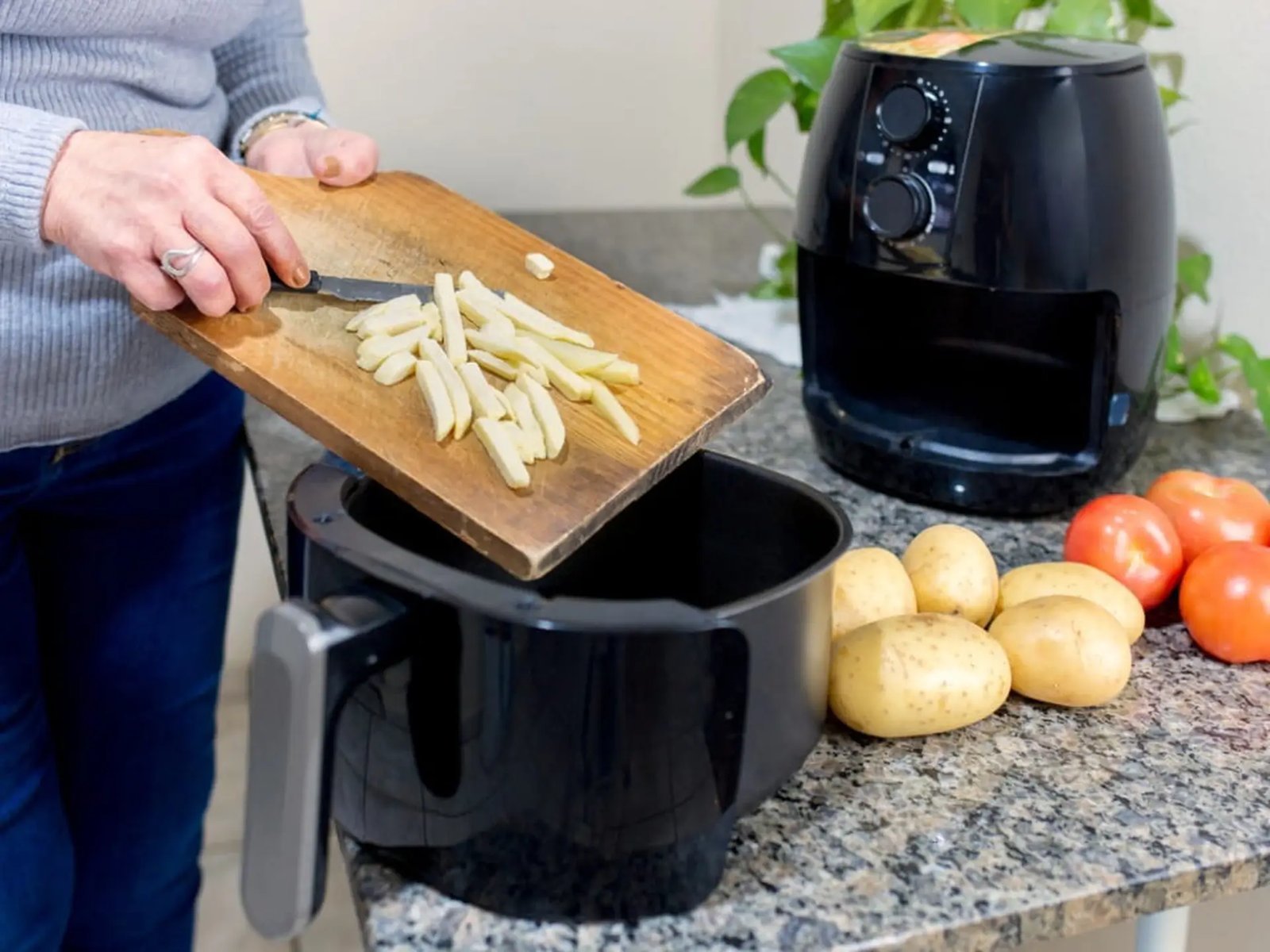
The primary physical risk comes from overheating nonstick coatings and burning your food. Most air fryer baskets have PTFE (Teflon) coatings. According to the US Environmental Protection Agency, modern nonstick coatings manufactured without PFOA are stable at standard kitchen temperatures. However, if an empty unit runs on high, the surface can pass 500°F, releasing degraded polymer fumes that cause temporary, flu-like chills.
The dietary risk involves cooking starches and meats at extreme heat. The US Food and Drug Administration notes that acrylamide, a chemical linked to health concerns in animal studies, forms when carbohydrate-rich foods brown past golden-yellow. If you want lower acrylamide, cook potatoes until they’re golden instead of dark brown; if you prefer deep char, your trade-off is higher chemical exposure. Furthermore, cooking meat too fast might leave the center raw while crisping the outside. Cooking meat to a safe internal temperature (such as 165°F for raw poultry) prevents bacterial illness, while avoiding heavy char prevents unwanted chemical formation. This method isn’t for people who prefer wet braising or boiling, as high-velocity dry air only bakes and crisps.
The signs to stop immediately
- Blue or gray haze rising from the air vents, meaning oil or plastic is actively burning inside.
- A sharp chemical odor, which indicates the nonstick surface has exceeded its safe thermal limit.
- Peeling or bubbling basket coating, showing the protective layer is physically breaking down.
- A fan making a loud grinding noise, signaling a loose motor or blade failure.
- Burnt food remnants stuck to the upper heating coils, creating a sudden kitchen fire hazard.
If the internal wiring smells like melting plastic or sparks appear, stop using it immediately and contact an authorized appliance repair technician or replace the machine.
The safer way to do it
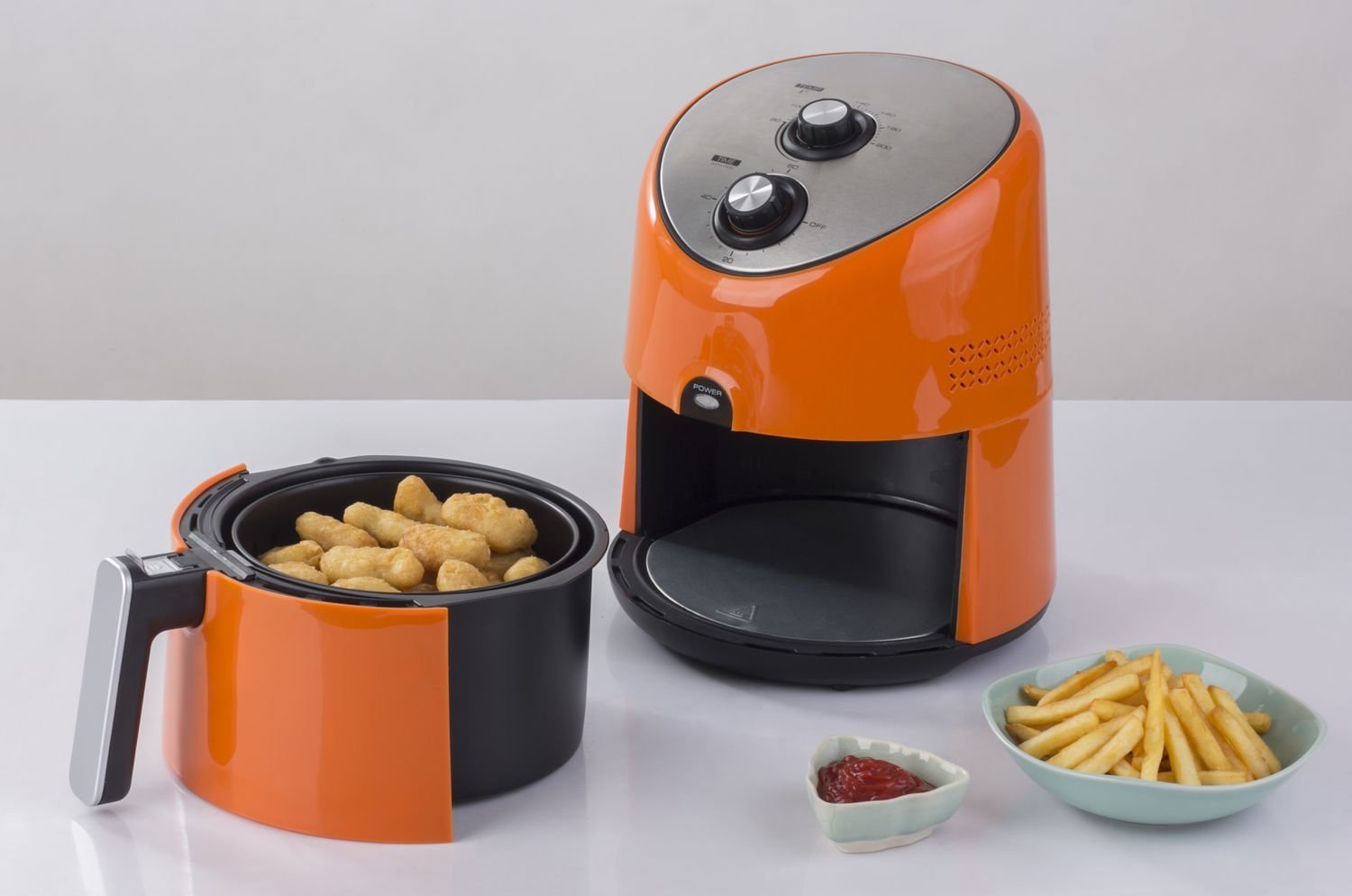
- Check your machine’s manual for safe operating limits, because temperature ceilings vary by model—check the label on your unit before starting.
- Coat food using 1 to 2 teaspoons of oil with a high smoke point, like avocado oil, rather than low-smoke aerosol sprays.
- Keep cooking heat at or below 380°F for most foods to avoid scorching the outer edges before the inside warms.
- Weigh down pre-cut parchment liners with food so the air circulation doesn’t blow paper into the element.
- Shake the basket halfway through cooking (usually at the 8-minute mark for a 16-minute cycle) to ensure heat hits food evenly.
- Insert a digital food thermometer into the thickest part of cooked poultry to verify it reaches at least 165°F internally.
- Wash the cooled basket using a soft sponge and mild soap, since hard metal scrubbers ruin nonstick surfaces within a few washes.
If it has already happened?
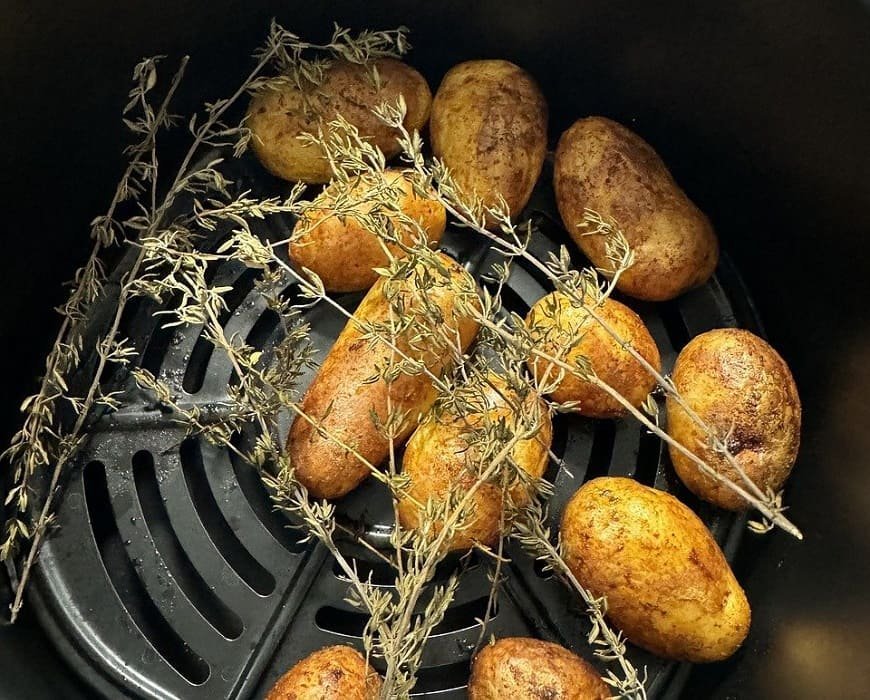
Turn off the air fryer immediately and pull the plug from the wall outlet. If you notice a chemical stench or heavy smoke, open nearby windows, turn on your range hood, and leave the room until the air clears. Let the machine cool completely for at least 45 minutes before inspecting the basket.
Check the interior basket surface for peeling, blistering, or bare metal. A mistake people make is trying to sand down chipped nonstick surfaces to keep using the basket, which costs them clean air and ruins the pan completely; discard chipped baskets. If food caught fire, check the upper heating coil for carbon deposits. If smoke comes directly from the internal electrical base rather than the cooking drawer, stop immediately; don’t try to rewire it yourself, and take it to a certified appliance specialist.
Frequently asked questions
Can an air fryer cause cancer?
No, using an air fryer normally doesn’t cause cancer. Harmful chemicals like acrylamide form when you scorch foods like potatoes until they turn dark brown or black. Keep your cooking temperatures moderate and aim for light golden colors to keep these compounds as low as possible.
Why does my new air fryer smell like plastic?
Protective oils applied during factory manufacturing burn off during initial runs, causing that plastic smell. Run your empty air fryer outdoors or in a ventilated garage at 400°F for 20 minutes before cooking food. If the smell doesn’t stop after three uses, check for packing materials left inside.
How long does an air fryer basket coating last?
Older units will eventually show wear on their nonstick materials after regular use. The lifespan drops drastically if you use metal tongs or harsh abrasive cleaning pads. Once you see peeling or deep scratches exposing raw metal beneath the surface, replace the basket right away.
Is it safe to use aluminum foil in an air fryer?
Yes, you can use aluminum foil if you weigh it down with food. Never run the machine with loose foil, as high-speed circulating air lifts light metal sheets directly into the exposed heating coils, which causes severe electrical sparking, appliance damage, and immediate fire hazards.
What happens if you inhale air fryer smoke?
Breathing smoke from burnt cooking fat irritates your eyes and throat quickly. Fumes from overheated nonstick coatings (above 500°F) can trigger temporary fever, chills, and coughing within a few hours. Step outside into fresh air immediately and keep windows open until the room airs out.
Does cooking in an air fryer destroy nutrients?
No, air frying preserves nutrients just as well as standard baking or roasting. Because cooking cycles are shorter than traditional oven times, heat-sensitive vitamins like vitamin C often survive better. Avoid blackening the food’s exterior, as direct charring degrades the natural nutritional value of your meal.
Leave a Reply