
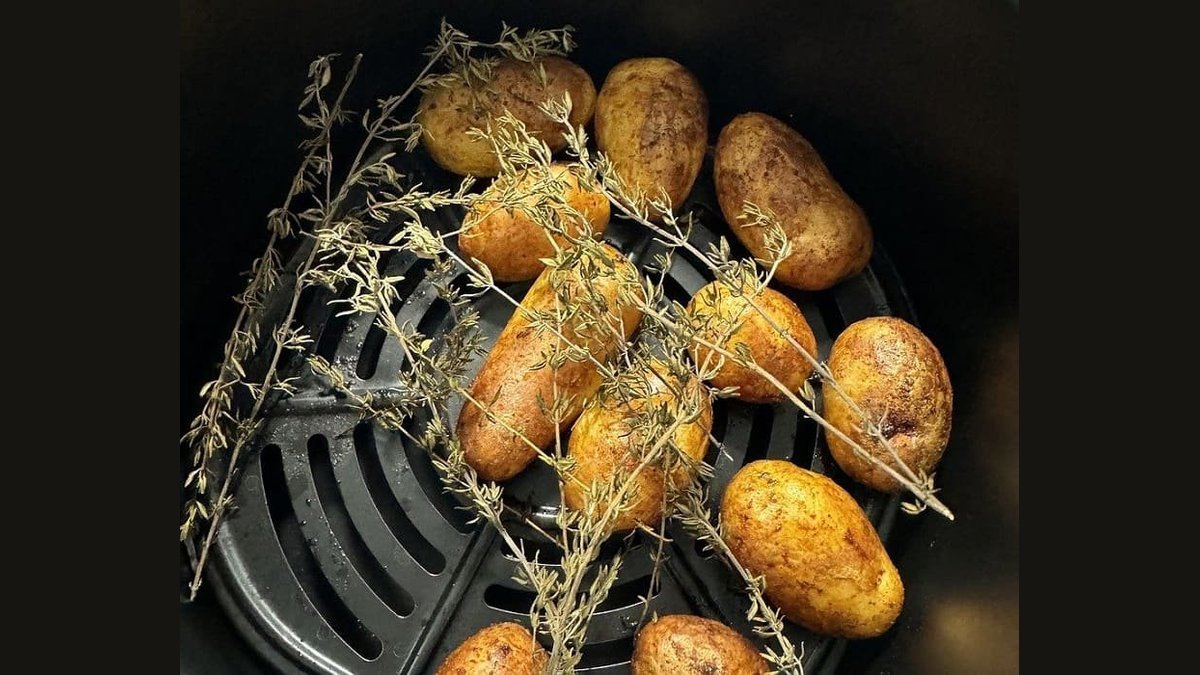

No, air fryers aren’t toxic when you use them as directed and keep the basket coating intact. People ask whether air fryers are toxic because older nonstick coatings carried harmful chemicals, but modern baskets use safer materials. The single condition that decides your safety is the physical state of that nonstick layer. If the coating peels or overheats past its rating, particles enter your dinner and fumes escape into your kitchen air.
Table of Contents
Which air fryers are toxic and which are fine?
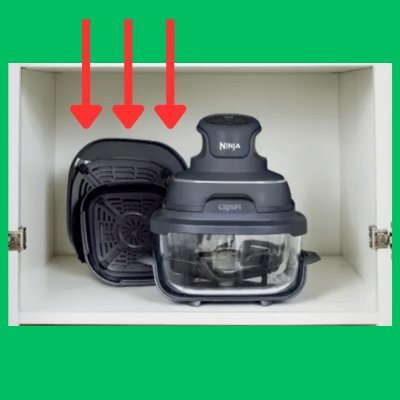
| Situation | Safe? | Why |
|---|---|---|
| Undamaged nonstick basket | Yes | Intact coating keeps compounds stable and out of food. |
| Chipped or peeling basket | No | Flakes come off directly onto cooked food during heating. |
| Ceramic-coated basket | Yes | Contains no fluorinated polymers or synthetic nonstick resins. |
| Heating basket empty over 400°F | With care | Empty metal heats too fast and degrades factory coatings. |
| Stainless steel tray insert | Yes | Bare metal surfaces release zero synthetic chemical coatings. |
| Cleaning with metal scouring pads | No | Steel wool scratches the base layer and starts peeling. |
| Using silicone baking liners | Yes | Food-grade silicone handles high cooking heat without melting. |
What the risk actually is?
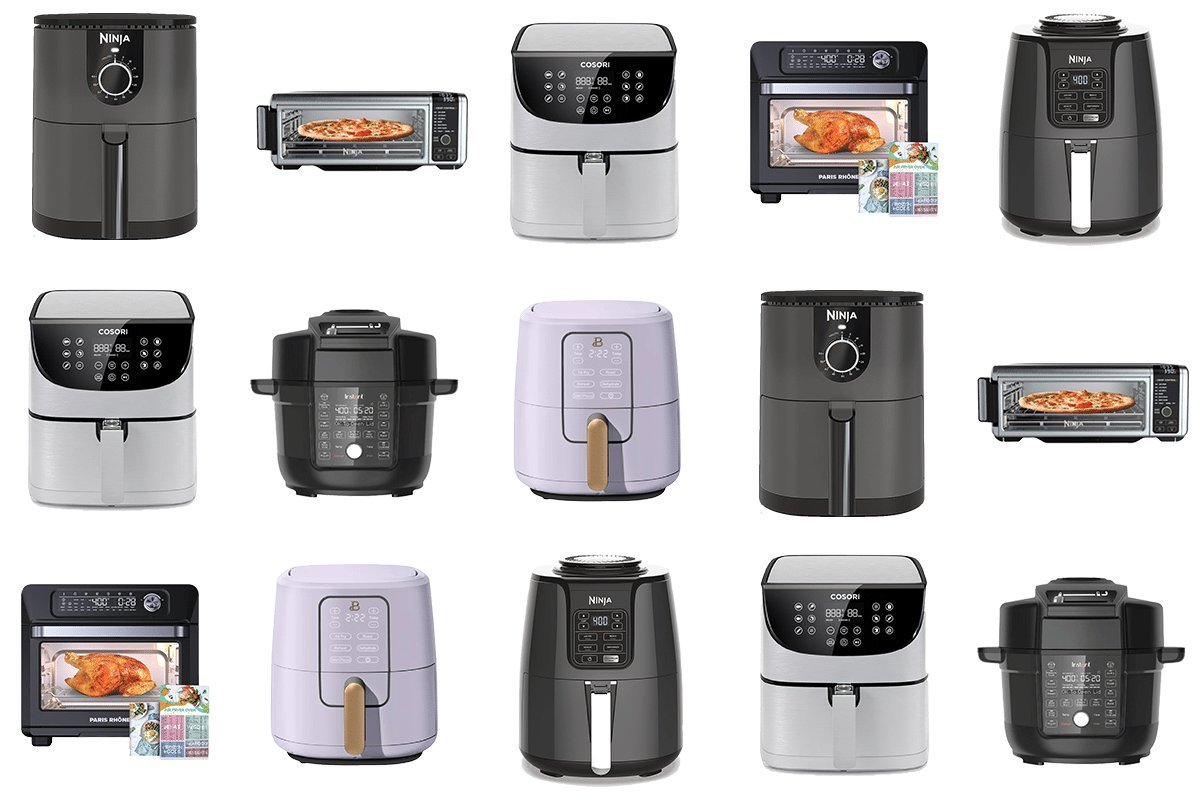
The primary health worry comes from synthetic nonstick chemicals called PFAS, specifically older variants like PFOA. The US Environmental Protection Agency points out that these chemicals stay in the human body for years and harm the liver and immune system. Most modern air fryer makers stopped using PFOA years ago, but many still coat baskets with PTFE, commonly known as Teflon.
PTFE stays chemically inert and safe at normal cooking temperatures up to 500°F. The risk starts when an empty basket sits under a hot heating element and climbs above 500°F. At that heat, fluoropolymer coatings break down and produce fumes that cause temporary, flu-like chills in humans and prove fatal to pet birds. This appliance isn’t for people who keep parrots, budgies, or other pet birds near their kitchen area.
Another trade-off involves cooking chemistry. Air frying cuts deep-frying fats, but browning starchy foods like potatoes still creates acrylamide. The International Agency for Research on Cancer classifies acrylamide as a probable human carcinogen. You can lower this compound by soaking sliced potatoes in cold tap water for 30 minutes before heating them.
The signs to stop immediately
- Flaking or blistered black coating inside the food basket, which means nonstick chemicals can transfer straight onto food.
- An acrid, chemical plastic odor during standard cooking, which shows internal plastic parts or coatings are breaking down.
- Thin white smoke coming from the exhaust while the basket is clean, which indicates overheating nonstick surfaces.
- A visible warp in the basket frame, which stops the appliance door from sealing and leads to hot spots.
- Exposed bare gray metal underneath deep scratches, which allows rust and moisture to peel the surrounding layer.
If the machine sparks, trips your home circuit breaker, or melts its outer plastic casing, stop using it; home repairs carry fire risks, so take it to an authorized small-appliance technician.
The safer way to do it
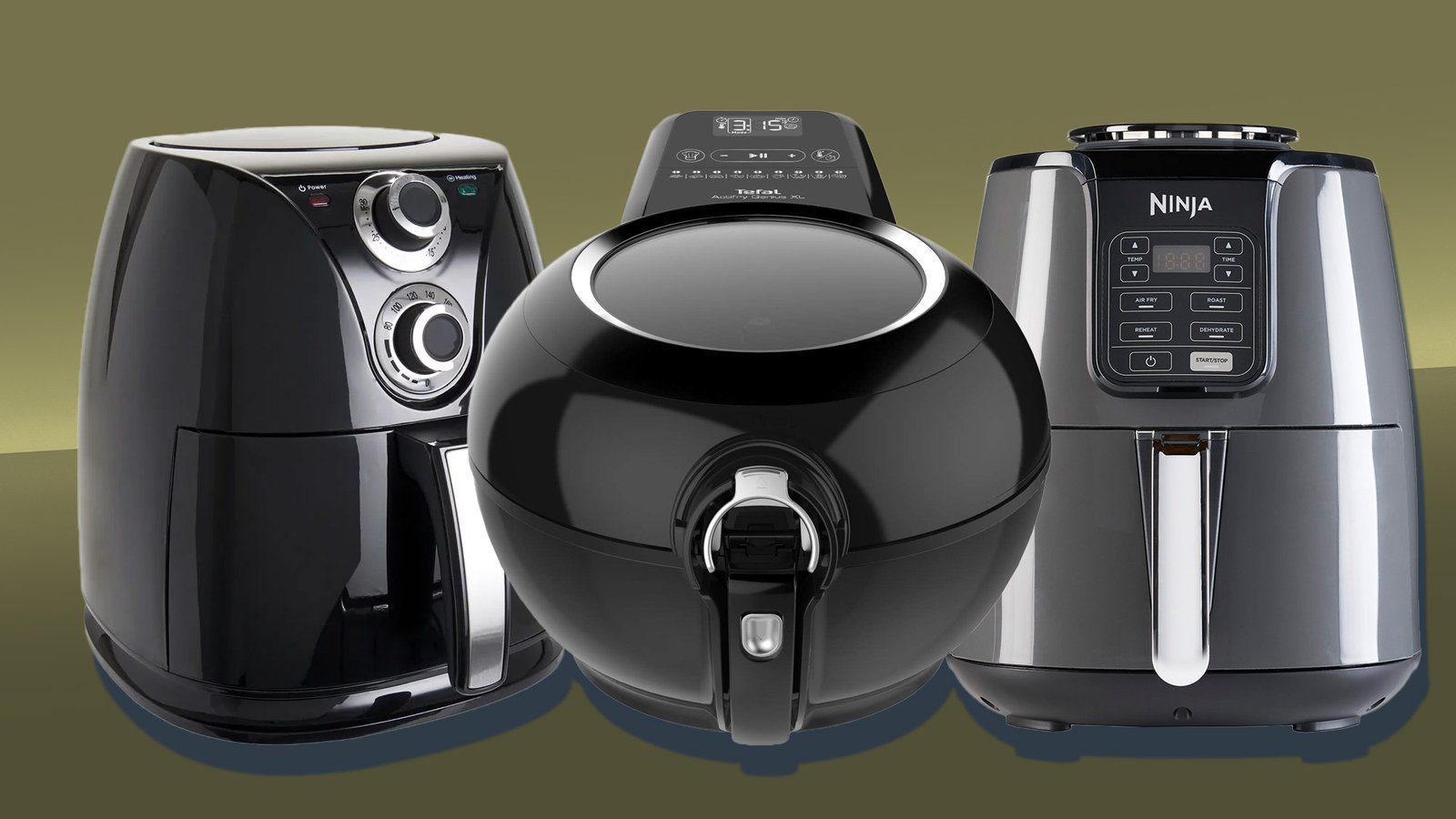
- Unpack the air fryer and run it completely empty outdoors or near an open window at 400°F for 20 minutes to burn off factory manufacturing oils.
- Check your appliance user manual to confirm its maximum temperature rating; this varies by model — check the label before setting high heats.
- Apply a light layer of high-smoke-point oil, like avocado oil, using a manual pump sprayer rather than commercial aerosol cans that carry chemical propellants.
- If you cook raw chicken pieces, check that the thickest part reaches 165°F on a digital probe thermometer; if you cook red meat, reach 145°F.
- Wash the basket only after it cools for 15 minutes, using warm water, mild dish soap, and a soft yellow sponge.
- A common mistake is scrubbing baked-on grease with steel wool, which destroys the coating and ruins an expensive basket in weeks.
- If your original basket coating scratches, discard it and buy a ceramic-coated or stainless steel replacement basket built for your specific machine model.
If it has already happened
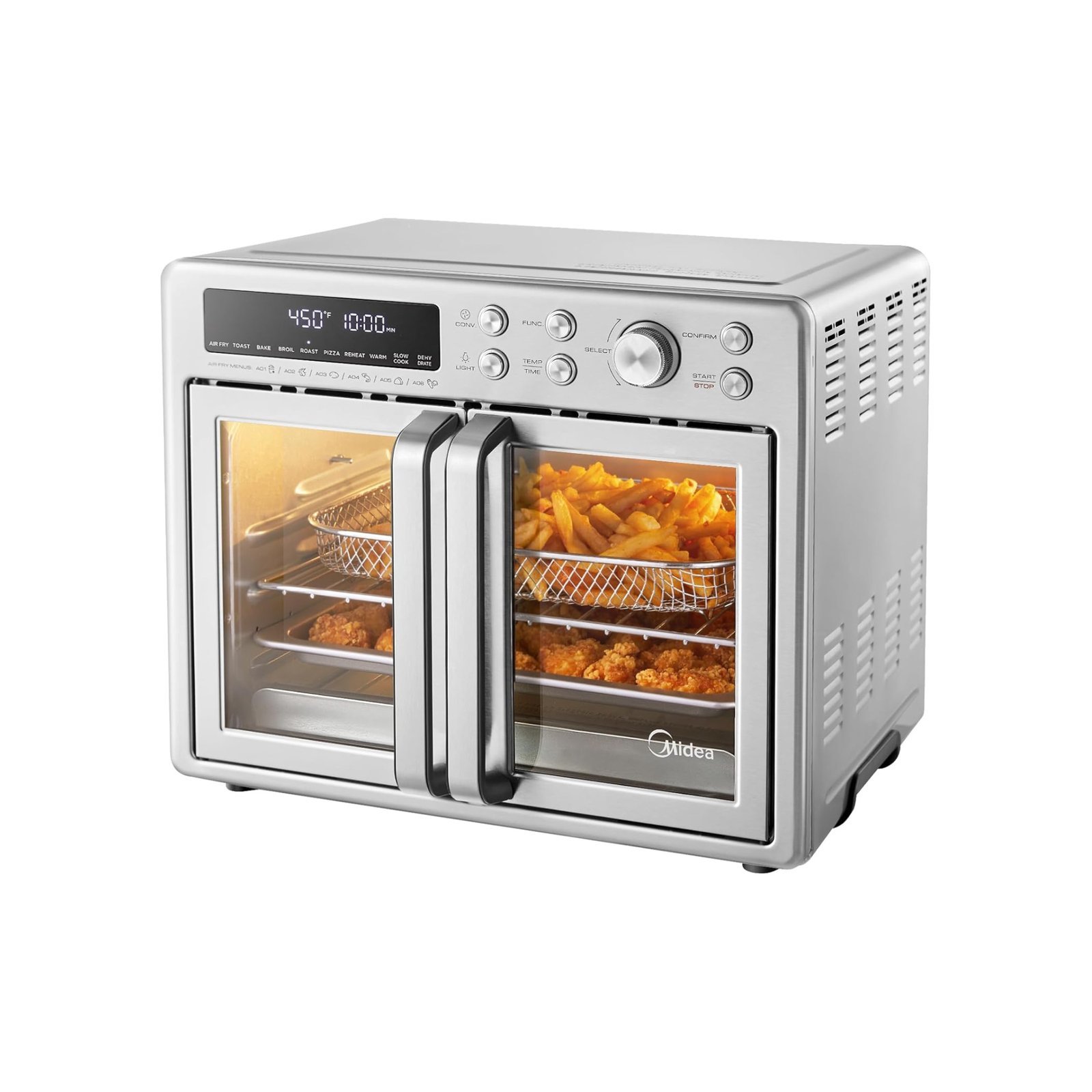
Unplug the appliance from the wall outlet right away if you smell chemical fumes or notice melted material. Move any family members and indoor pets into a room with fresh air. Open all nearby windows and switch your stove range hood fan to its highest speed. Let the machine sit undisturbed for 45 minutes until the metal housing feels cold to the touch.
Throw away any food that was inside the basket when the fumes or flaking happened. Wash your hands thoroughly with soap. If your bird inhaled fumes and shows weakness, or if a person suffers chest tightness, go to an emergency veterinary clinic or medical professional immediately. Don’t attempt to rewire the unit or repaint the interior yourself.
Frequently asked questions
Can scratched air fryer baskets make you sick?
Yes, because loose flakes of nonstick coating can scrape off into your meals. While tiny swallowed bits usually pass through your digestive tract without reacting, broken coatings degrade faster and release unwanted compounds when heated. Replace any basket that shows bare metal under deep scratches.
Why does my new air fryer smell like burning plastic?
Chemical residues from the factory cause this smell during the first few heating cycles. Protective manufacturing lubricants sit on the heating element and burn off when turned on. If the smell continues past three 20-minute clean cycles, contact the manufacturer to report a defective unit.
Is ceramic coating safer than Teflon in air fryers?
Yes, because ceramic coatings are completely free from PTFE, PFOA, lead, and cadmium. They use a sand-derived silica base that handles heat up to 450°F without releasing synthetic chemical fumes. The trade-off is that ceramic nonstick layers wear out faster than fluoropolymer coatings.
What happens if you accidentally eat air fryer nonstick flakes?
Nothing dangerous should happen immediately if you swallow a few small flakes of intact PTFE. The material is biologically inert and leaves your body through stool without absorbing. However, you should stop using that damaged basket right away to avoid eating larger quantities of loose coating.
Does air frying create cancer-causing chemicals on food?
Yes, high heat produces acrylamide on browned, starchy foods like French fries. The chemical forms from natural sugars and amino acids during hot, dry cooking methods. You can limit acrylamide by pulling food out when it looks golden yellow rather than dark brown or blackened.
Can air fryer fumes kill pet birds?
Yes, overheated nonstick basket coatings release toxic gases that destroy delicate bird lungs within minutes. Birds have sensitive respiratory systems that can’t filter fluoropolymer breakdown products. Never operate any nonstick air fryer in the same room or shared air space where you keep pet birds.
Leave a Reply