
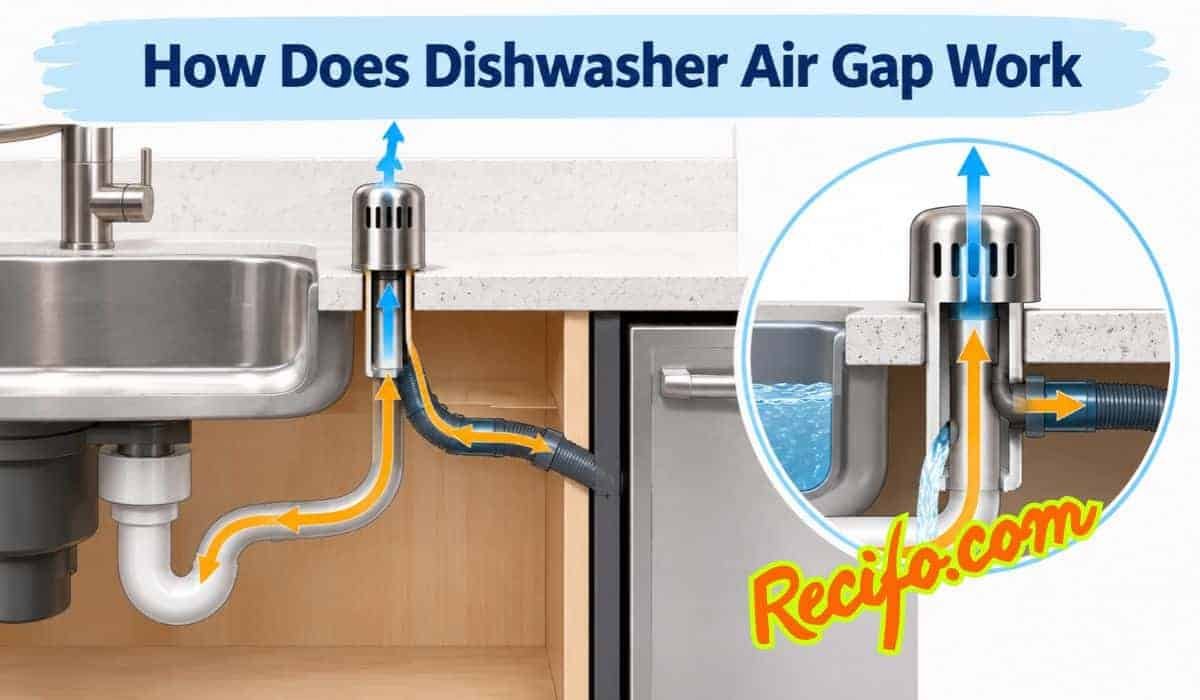

A dishwasher air gap is a small device that prevents dirty sink water from flowing back into your clean dishwasher. It works by creating an open space in the drain line, which uses gravity to keep wastewater moving in one direction only. It’s a simple physical barrier that ensures your dishes stay sanitary.
Table of Contents
Parts that make the dishwasher work
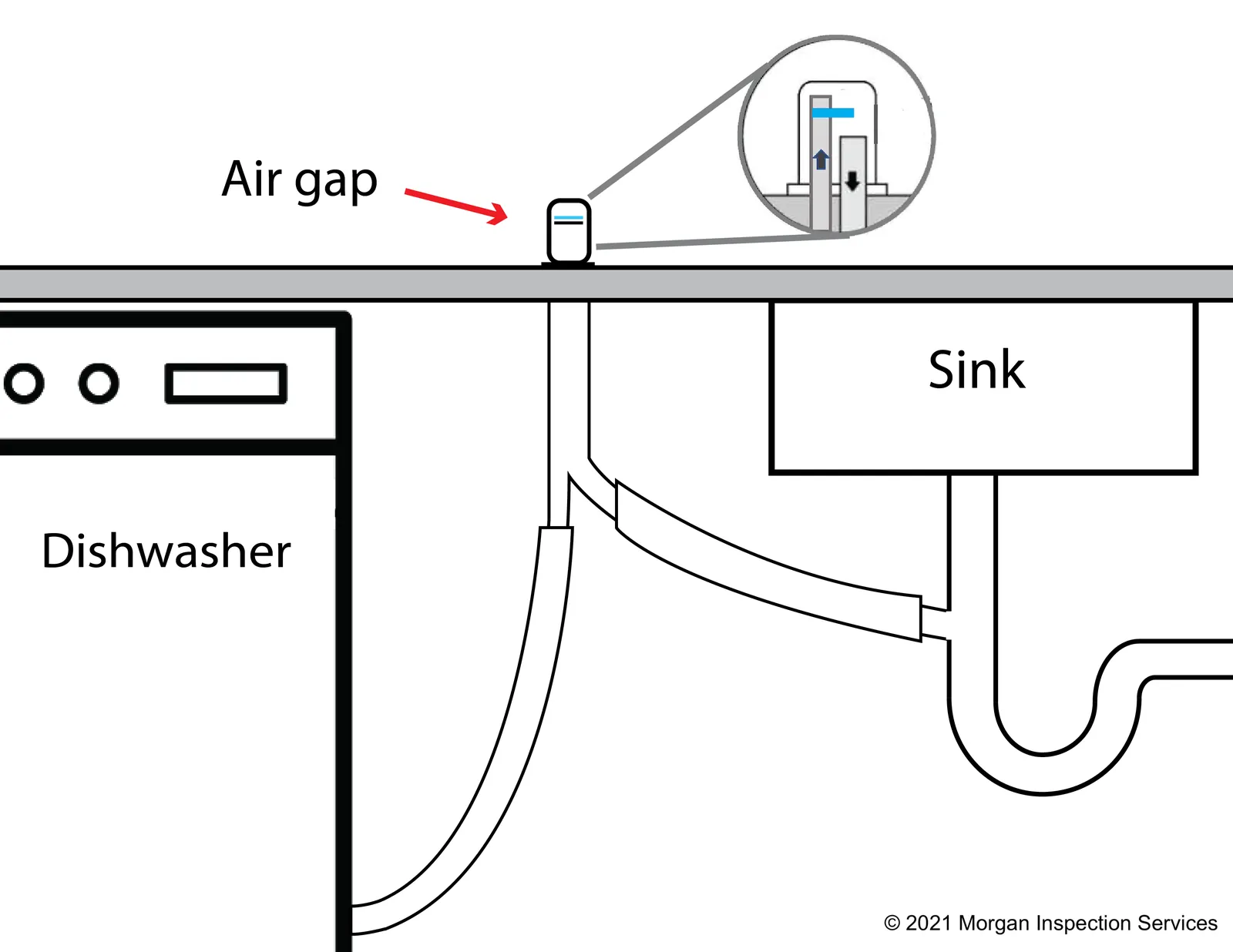
The system relies on a few specific parts to keep water moving correctly. If you notice leaks or gurgling sounds, check these components first. You can find more details in your plumbing code requirements to see if your area requires this specific setup.
| Part or input | What it does | What you notice when it goes wrong |
|---|---|---|
| Drain hose | Carries water away | Water leaks under the sink |
| Air gap cap | Covers the device | Water sprays out the top |
| Inner cylinder | Holds the water flow | Clogging or slow drainage |
| Mounting nut | Secures the unit | Loose device on the counter |
| Drain port | Connects to disposal | Backed up water in sink |
How the drainage cycle works?
The process follows a specific path to move dirty water out of the machine safely. It generally takes about 30 to 60 seconds for a standard cycle to clear the remaining water through the gap.
- The dishwasher pump pushes dirty water through the primary drain hose toward the sink area.
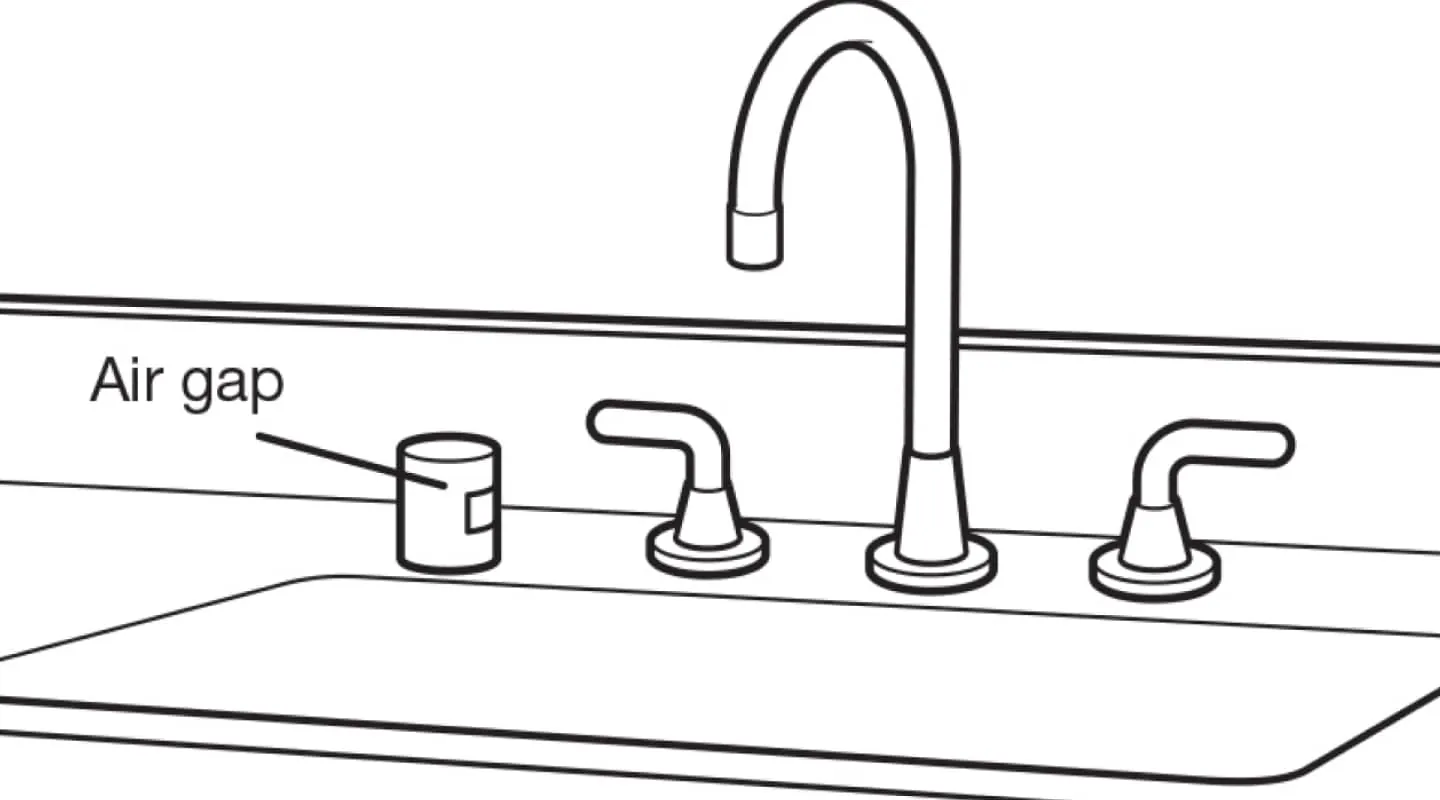
- This water travels upward into the air gap unit mounted on your kitchen sink deck.
- Once it reaches the top of the air gap, the water falls through an open space.
- Gravity pulls the water downward into a second hose connected to the garbage disposal.
- The open air space stops a vacuum from forming in the hose during the cycle.
- The dirty water exits the system into the drain pipe without touching clean dishes.
How the dishwasher air gap works to prevent backflow?
The primary role of this device is to stop wastewater from entering the dishwasher. Because the drain line is open to the air, water can’t be sucked back into the machine even if your kitchen sink fills up. This creates a physical break that stops the siphon effect, which is the main way dirty water would otherwise enter the appliance.
Without this gap, a clogged drain could easily pull contaminated sink waste directly into your dishwasher basin. If you notice water pooling in the bottom of your machine, the air gap might be blocked by debris.
Adjustments and physical limits
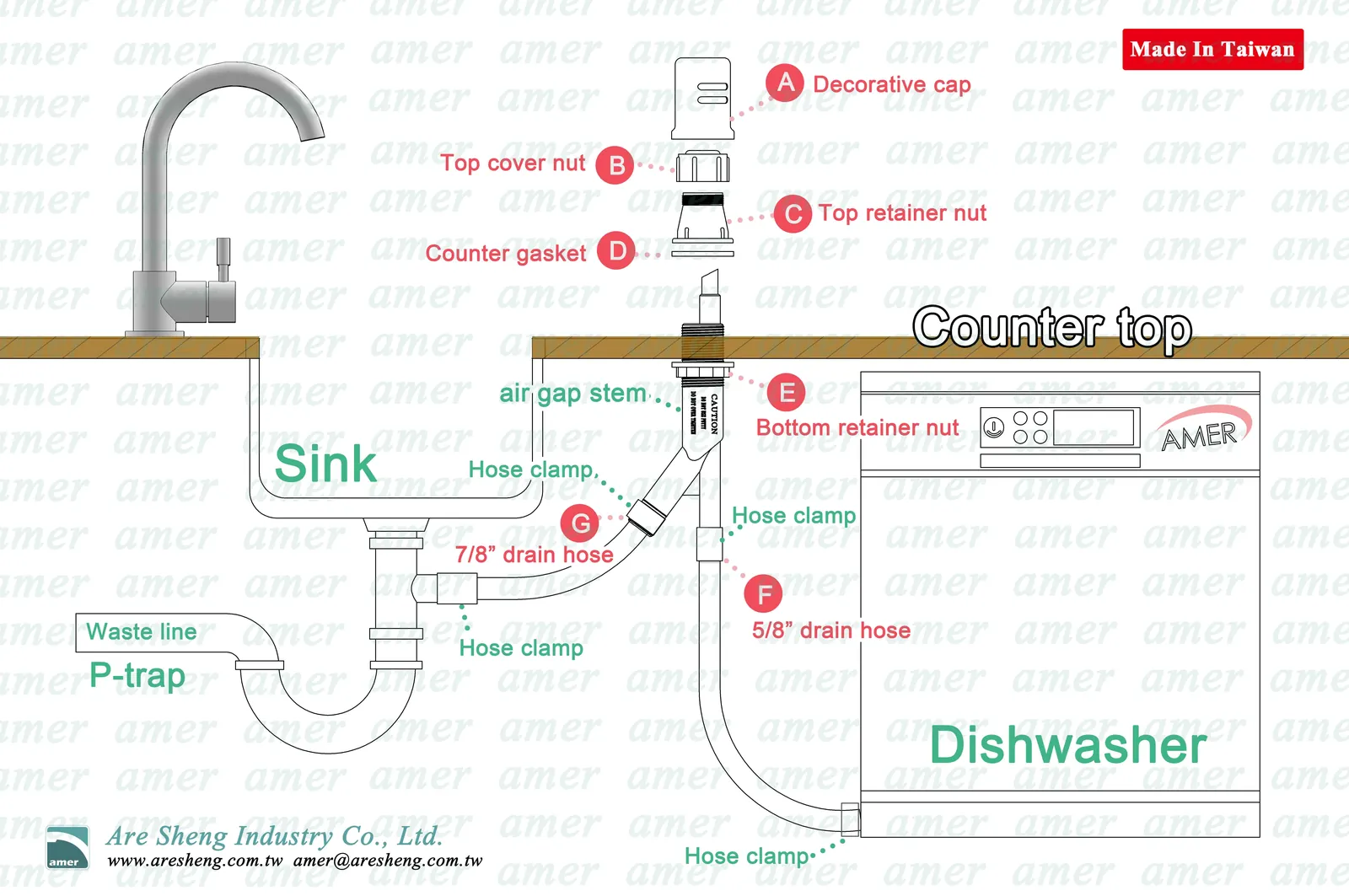
You can manage the cleanliness of the unit, but the design is fixed by your local plumbing codes. Always check your local building department to confirm if you must use an air gap or if a high-loop drain is allowed in your specific area.
Things you control
- Cleaning the cap to remove buildup.
- Removing debris from the inner cylinder.
- Checking the hose for tight seals.
- Keeping the drain port clear of food.
Things fixed by design
- The height of the air gap unit.
- The diameter of the drain hoses.
- The required slope of the pipes.
Keeping the system efficient
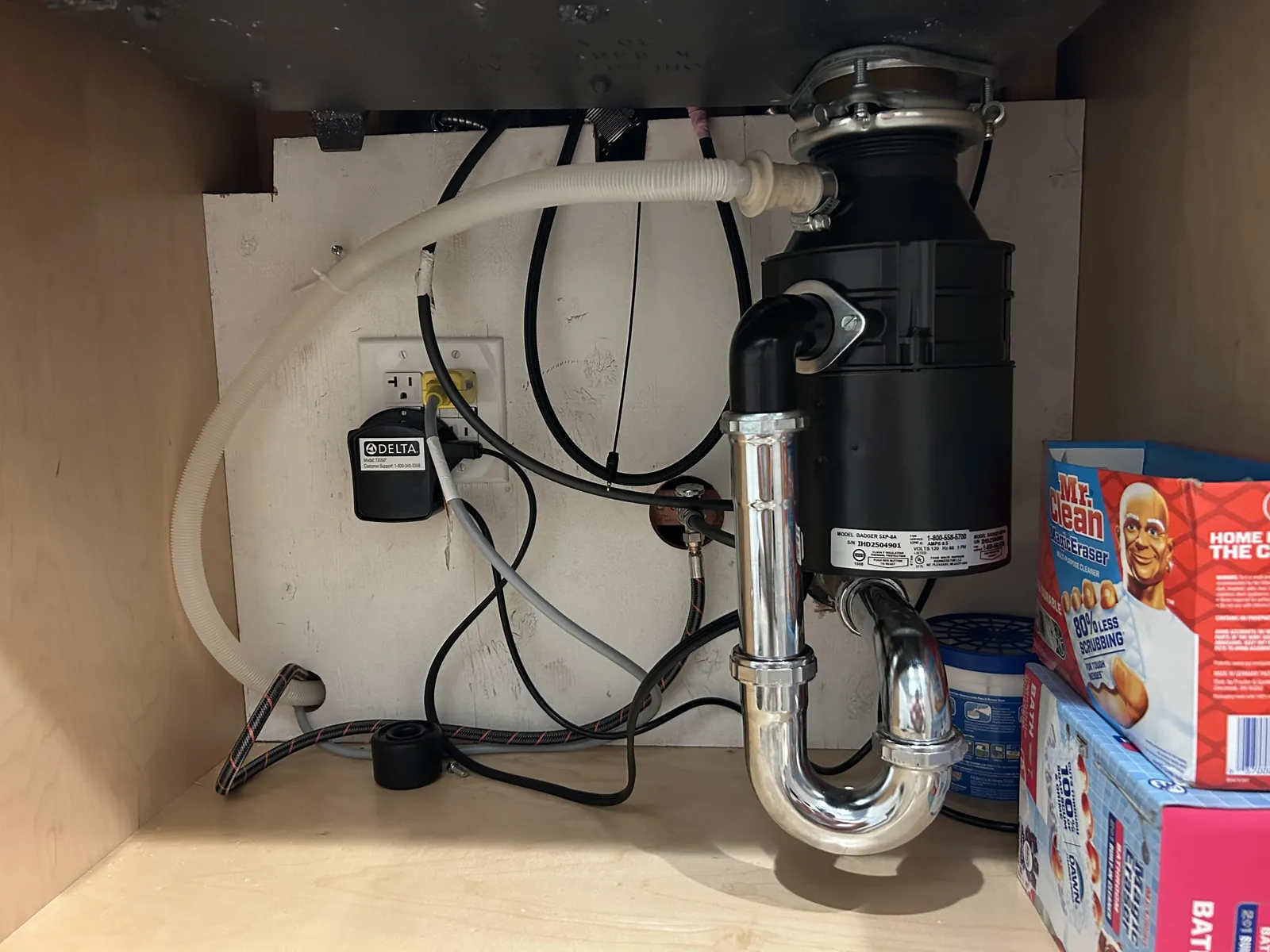
To keep the system running well, perform a quick inspection whenever you clean your sink. If you see water leaking from the top of the air gap, the hose leading to the garbage disposal is likely blocked. You can clear this by removing the cap and pulling out any food bits or grease stuck in the opening.
If the leak persists after clearing the hose, check the dishwasher drain hose for kinks or tight bends. Straighten the line to restore proper flow.
Never use harsh chemicals to clean the plastic parts, as they can weaken the material and lead to brittle cracks. If you notice the plastic has turned yellow or feels tacky, replace the unit immediately to avoid a kitchen flood. Regular checks ensure the drain stays clear and your dishwasher continues to operate without backflow issues.
Frequently asked questions
Can I remove the air gap?
You can’t remove the air gap if your local building code requires it for your home. Many cities mandate this device to prevent contaminated water from entering the dishwasher during a sink backup.
Why is water leaking from my air gap?
Water leaks from the air gap because the hose connected to your garbage disposal is likely clogged. Clear the debris from that hose to let the water flow freely again.
How often should I clean the air gap?
You should clean the air gap whenever you notice slow drainage or debris under the cap. Most households only need to check it once every few months for normal performance.
Is it safe to use a high-loop instead?
It’s only safe to use a high-loop if your local plumbing code permits it as an alternative to an air gap. Check your local regulations before making any changes to your plumbing.
What happens if the air gap is blocked?
The dishwasher won’t be able to drain properly if the air gap is blocked. This causes dirty water to remain in the bottom of the tub after the cycle ends.
Does the air gap need special parts?
The air gap uses standard drain hoses that match your dishwasher’s output size. You can find replacement parts at most hardware stores by matching the diameter of your current drain hose.
Conclusion
If you notice water pooling around the base or leaking from the vents, it’s time to clear out any debris trapped inside the cap. Keeping this little device clean ensures your kitchen stays hygienic and worry-free. You’ll find that a quick check every few months is all it really takes.
Leave a Reply