
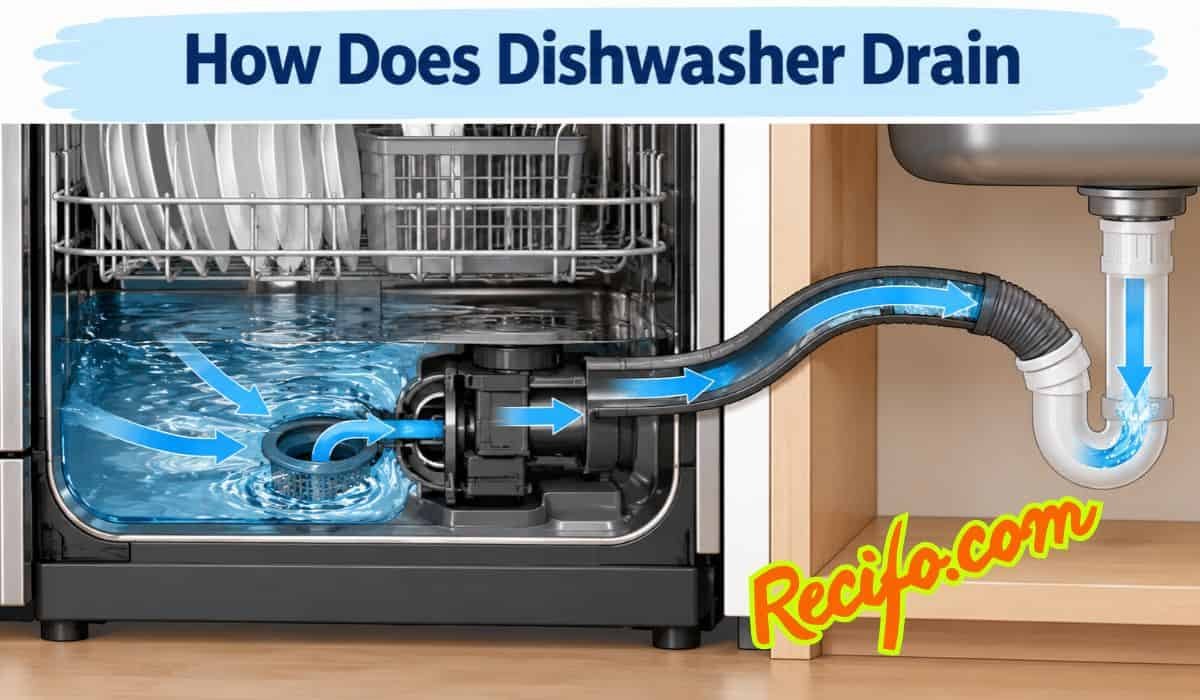

A dishwasher drains by using a small electric pump to push dirty water through a hose and into your home’s plumbing. This process happens automatically at set times during the cycle, and you can see the drainage path by checking your sink’s tailpiece or the dedicated air gap on your counter.
Table of Contents
How the dishwasher drains water?
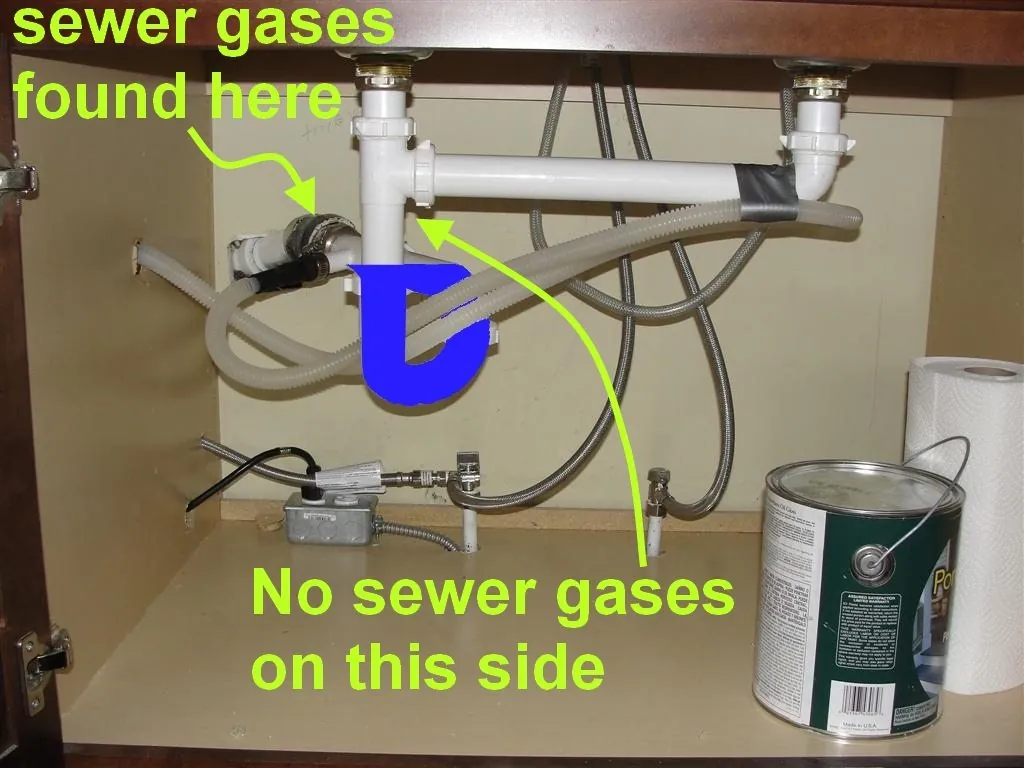
The system relies on a few core parts to move water from the tub to the sewer. If one part fails, water stays in the bottom of the machine, which often leads to standing water after the cycle ends.
| Part or input | What it does | What you notice when it goes wrong |
|---|---|---|
| Drain pump | Pushes water out | You hear a loud humming or grinding noise |
| Check valve | Stops water returning | Dirty water flows back into the tub |
| Drain hose | Carries water away | Water leaks under the sink or machine |
| Air gap | Prevents backflow | Water spills onto the counter near the sink |
| Garbage disposal | Connects to plumbing | Sink gurgles or water backs up into sink |
| Impeller | Spins to move water | Pump runs but water doesn’t move |
Check your user manual or the Energy Star appliance maintenance guide to find the exact location of these parts for your specific model.
Steps in the drainage cycle
The machine follows a strict sequence to remove waste water effectively. This entire process usually takes between 60 and 120 seconds to complete, depending on the length of your hose and the pressure of your home plumbing.
- The control board sends a signal to the drain pump motor to begin rotating at full speed.
- The pump impeller forces the dirty water through the check valve and into the flexible drain hose.
- Water travels up through the hose, often passing through an air gap, before entering the drain pipe.
- The pump continues running for a set time to ensure all water is removed from the sump area.
- Once the timer finishes, the control board cuts power to the pump to stop the flow of water.
- The check valve closes to prevent any water remaining in the hose from flowing back into the tub.
Why drainage problems happen
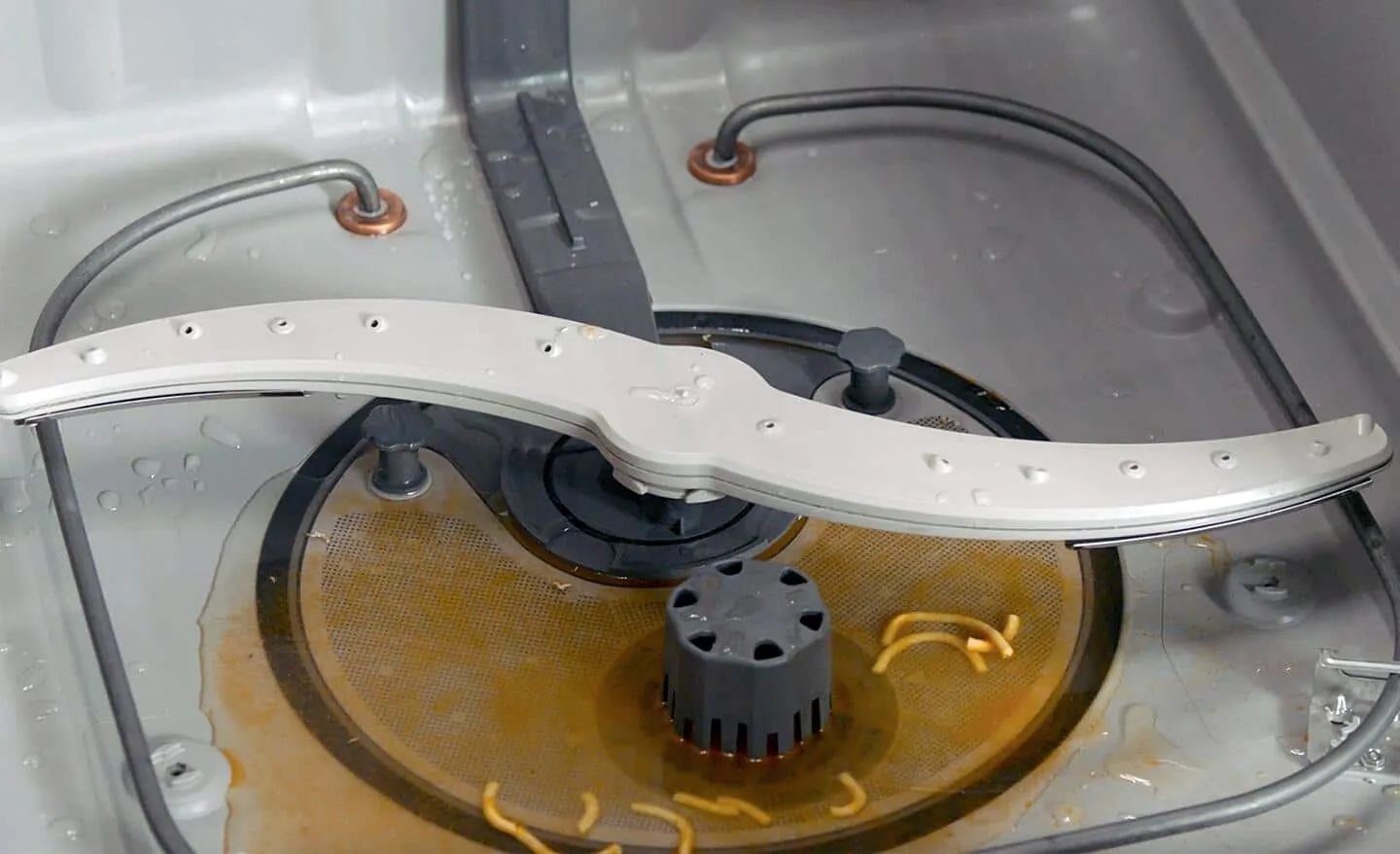
Most drainage issues occur because of physical blockages rather than mechanical failure. When debris like food scraps or grease builds up in the hose or the pump, water can’t escape the tub. If you find standing water, check the filter at the bottom of your dishwasher first. A clogged filter restricts flow and forces the pump to work harder, which can lead to early motor failure.
If the filter is clean, the issue often lies in the connection to the garbage disposal. If you recently installed a new disposal, you must remove the knockout plug inside the inlet port. Without removing this plastic piece, water has nowhere to go.
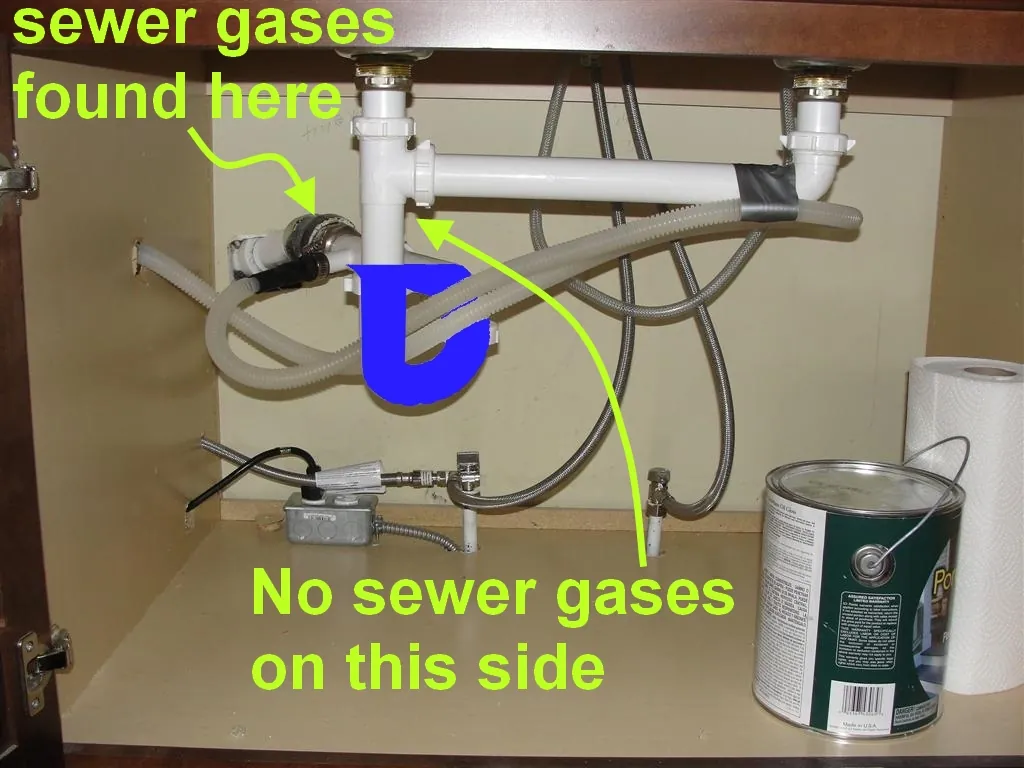
Always ensure the drain hose has a high loop or an air gap to meet local plumbing code requirements for backflow prevention. If the pump makes no noise at all, you might have a blown thermal fuse or a faulty control board.
Control and design limits
Things you control
- Clean the bottom filter regularly to prevent debris buildup; check your owner’s manual for the recommended frequency based on your specific usage.
- Check that the drain hose isn’t kinked or crushed behind the unit.
- Run your garbage disposal before starting a cycle to clear the drain line.
- Inspect the air gap cover for blockages if water spills onto the counter.
Design limits
- Pump motor lifespan depends on usage frequency and water hardness levels.
- Hose length is limited by the manufacturer to ensure the pump maintains pressure.
- Electrical repairs involving the pump or internal wiring require a qualified technician.
- High-voltage components can hold a lethal charge even when the unit is unplugged.
Habits for better performance?
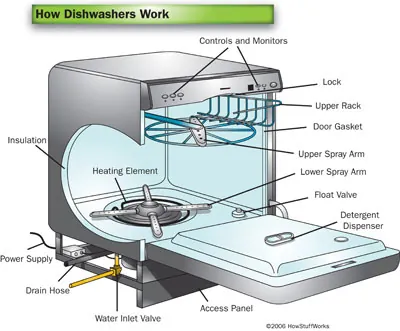
Keep your drain system running smoothly by watching what goes into the machine. Large food chunks are the biggest enemy of your pump and drain hose. Scrape your plates clean into the trash before loading them. If you have a garbage disposal, run it for 10 seconds before starting the wash to ensure the line is clear. Use a rinse aid to prevent mineral deposits from hardening inside the pump and check valves over time.
Frequently asked questions
How long does it take for a dishwasher to drain?
A full drain cycle typically lasts between 60 and 120 seconds, depending on the length of your drain hose and the configuration of your home plumbing.
Why is there water left in the bottom of my dishwasher?
Standing water usually means the drain filter is clogged or the drain hose is blocked by food debris, which prevents the pump from pushing water out.
Is it safe to use chemical drain cleaners in a dishwasher?
Chemical drain cleaners aren’t safe for dishwashers because they can damage the plastic pump components, rubber seals, and the delicate internal finish of the machine.
Does the dishwasher drain through the garbage disposal?
Most modern dishwashers drain through the garbage disposal, which requires a small knockout plug in the disposal inlet to be removed during the initial installation of the unit.
How do I know if my dishwasher pump is broken?
A broken pump often makes a loud humming or grinding noise without moving any water, or it may remain completely silent during the intended drain cycle.
What happens if I don’t clean the dishwasher filter?
Neglecting the filter causes food particles to enter the pump, which can block the impeller or cause the motor to overheat and eventually stop working entirely.
Does the height of the drain hose matter?
The hose must be installed with a high loop or an air gap to prevent dirty water from the sink from flowing back into your clean dishwasher.
Conclusion
Proper drainage is essential for a clean wash, so keeping the filter and hose clear of debris is the best way to avoid service calls. If you continue to see water after clearing the filter and checking the hose for kinks, it’s time to contact a professional appliance technician for a deeper inspection.
Leave a Reply