
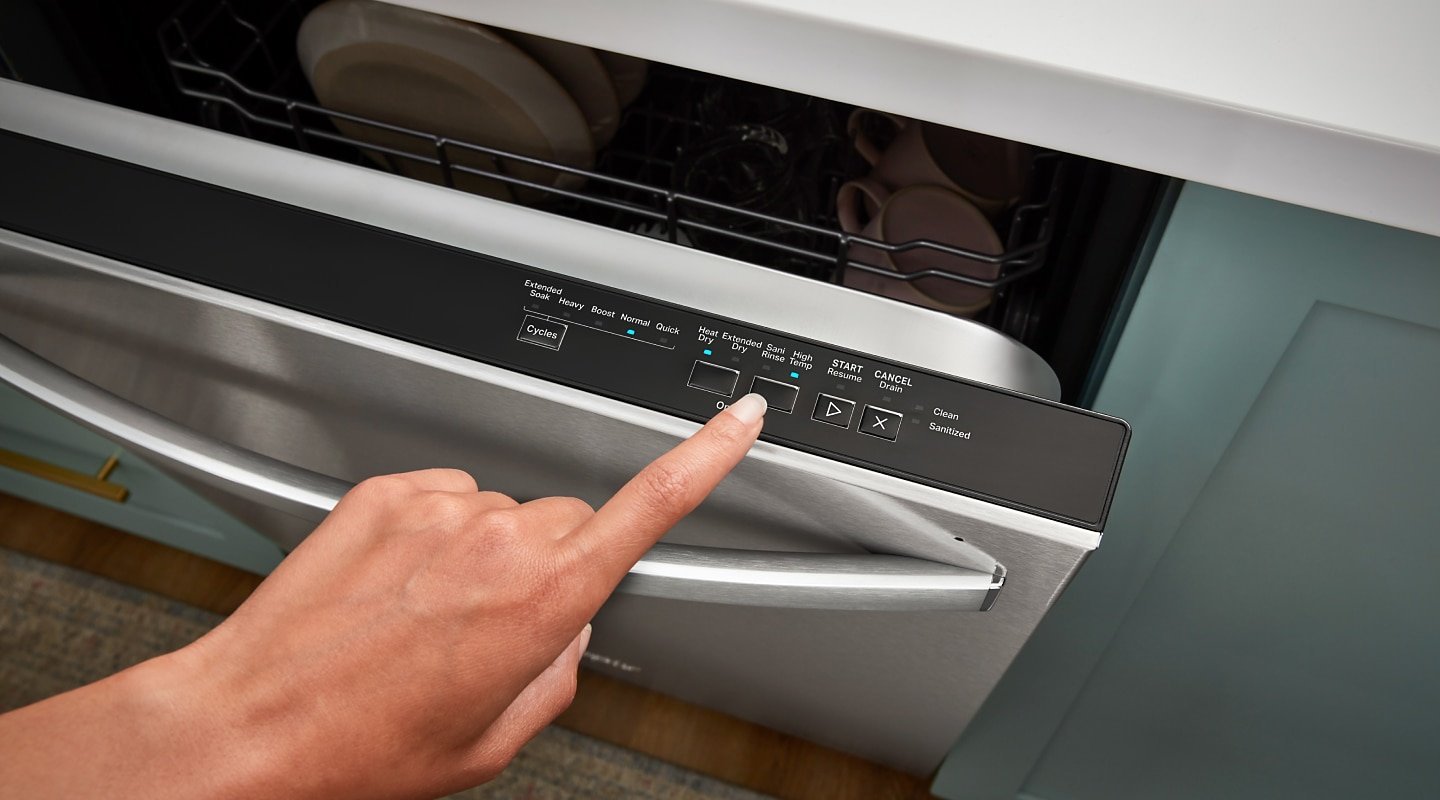

A standard dishwasher cycle lasts between 1.5 and 3 hours depending on the chosen setting and soil level. If you select a heavy-duty cycle with heated drying, the time increases; for a quick or light wash, the duration decreases significantly.
Table of Contents
Dishwasher cycle timing guide
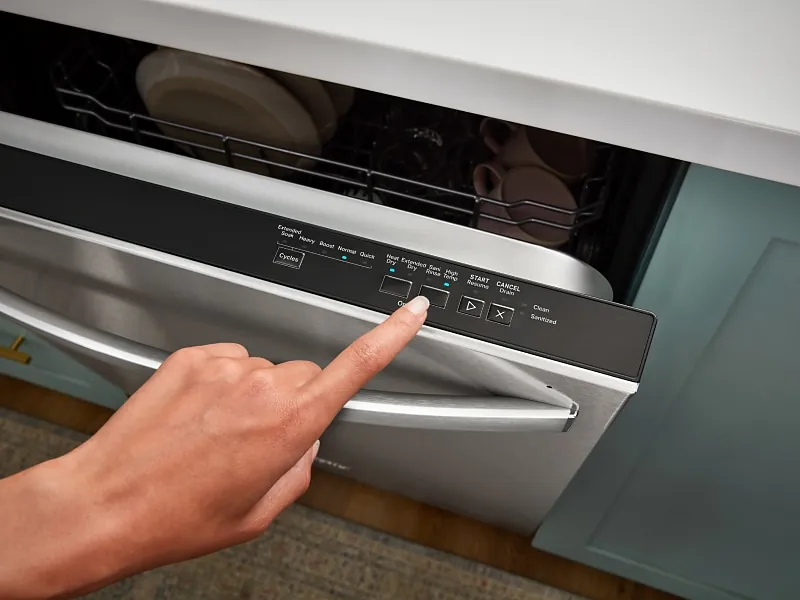
- Quick wash: 30 to 60 minutes for lightly soiled loads.
- Normal cycle: 90 to 120 minutes for everyday dishes.
- Heavy-duty cycle: 150 to 180 minutes for pots and pans.
- Eco-mode: 180 to 210 minutes because it uses lower water temperatures.
- Drying phase: Adds 30 to 60 minutes to the total time.
- Sensor adjustment: Dirt sensors can add 30 minutes if water remains cloudy.
Why cycle times vary?
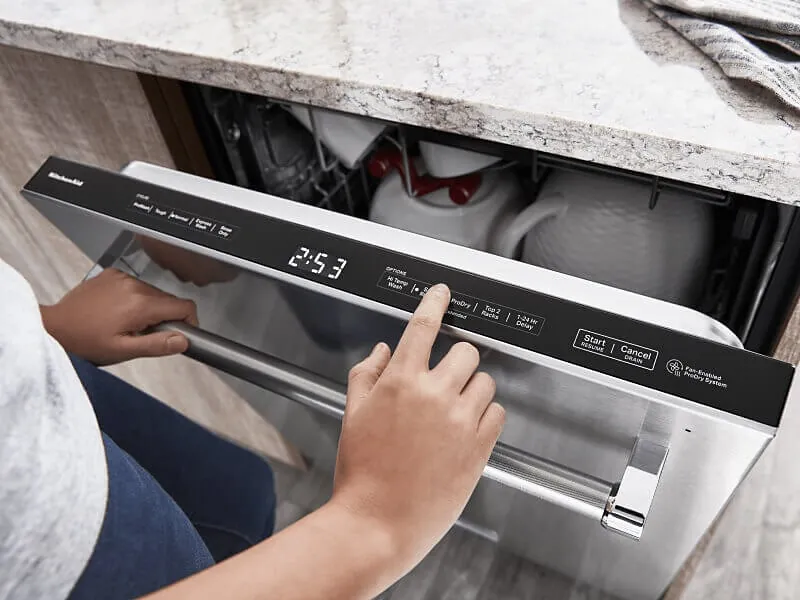
Modern dishwashers adjust their run times based on how dirty the dishes are and the temperature of the water entering the machine. If the internal sensors detect that the water is still cloudy after the initial wash, the machine will automatically extend the cycle to ensure the load is clean.
Energy efficiency is the primary driver behind these longer cycles. By using lower water temperatures and less water volume, the machine relies on time to break down food particles rather than heat. This process consumes less electricity than older, faster machines.
Adjusting for different needs
The total duration changes based on the selected program and the incoming water temperature. If your water heater is set below 120°F, the Department of Energy recommends checking your settings, as cold water forces the machine to pause and heat the water internally, which adds extra time to every cycle.
| Situation | What changes | What to do instead |
|---|---|---|
| Heavy soil | Sensor adds time | Use heavy-duty cycle |
| Low water temp | Heating delay occurs | Increase heater setting |
| Light load | Fewer rinses needed | Select quick wash |
| High efficiency | Longer soak time | Use eco-mode |
| Hard water | More soap needed | Add rinse aid |
How to run a cycle properly
- Scrape large food chunks into the trash to prevent the filter from clogging and forcing the machine to run extra rinse cycles.
- Load dishes facing the center spray arm, ensuring no items overlap, which allows water to reach every surface without requiring a longer wash.
- Fill the detergent dispenser according to the manufacturer’s fill line, as using too much soap can cause excessive suds that trigger more rinse cycles.
- Add rinse aid to the dedicated reservoir, which helps water sheet off dishes and reduces the time needed for the final drying phase.
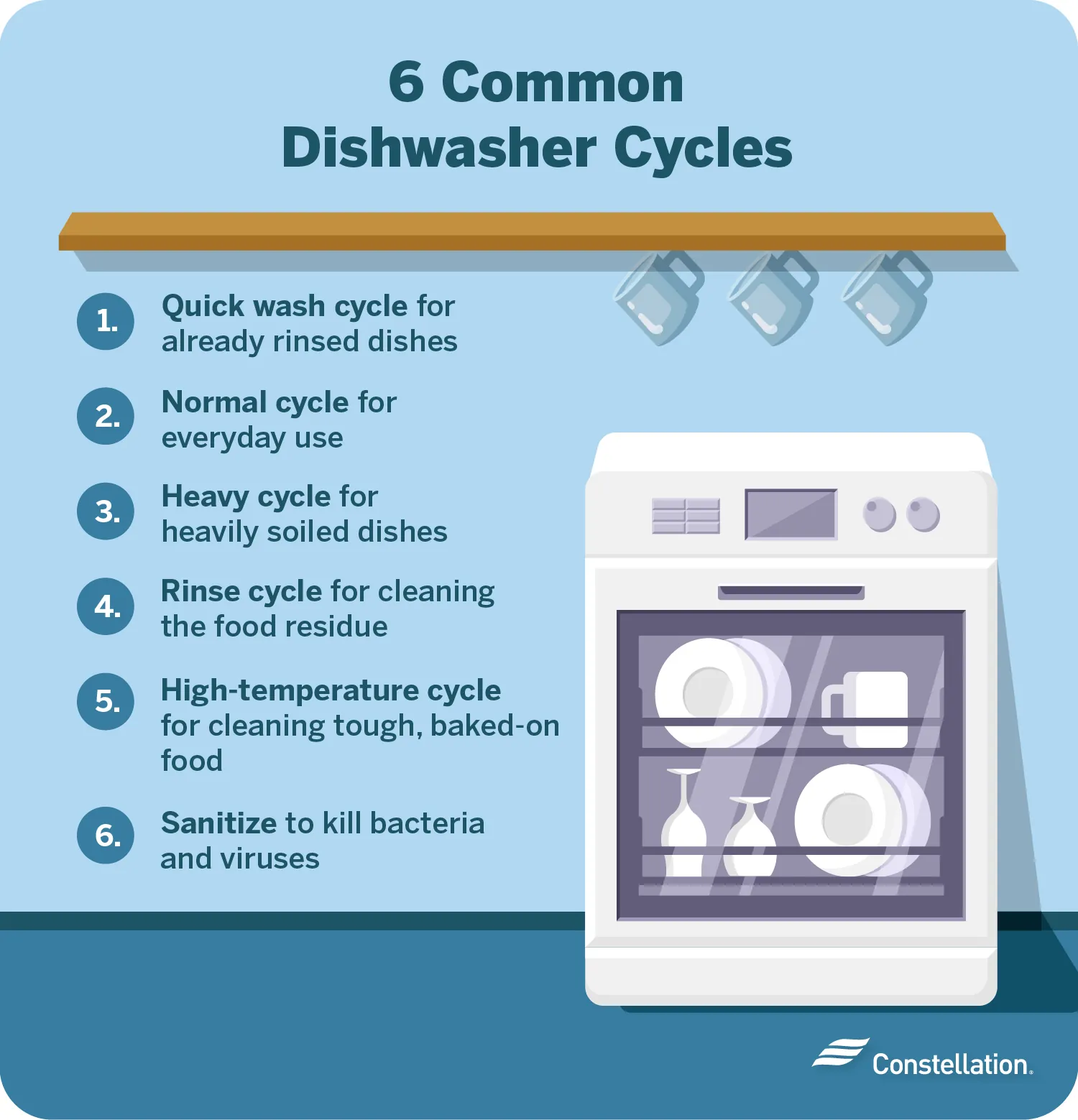
- Select your cycle based on the soil level, choosing “Normal” for daily loads or “Quick” if you’re in a rush and dishes are clean.
- Press the start button firmly and wait for the indicator light to show the cycle is active before walking away from the unit.
Common mistakes that ruin results

- Overloading the racks: Items block the spray arms, forcing the machine to run longer to compensate for poor water coverage.
- Skipping the rinse aid: Dishes stay wet longer, forcing you to use a longer drying cycle or dry them by hand.
- Using too much detergent: Excess foam confuses the turbidity sensors, causing the dishwasher to add unnecessary rinse cycles to clear the suds.
- Ignoring the filter: A dirty filter traps food debris, which keeps the water dirty and causes the dishwasher to repeat wash cycles.
Frequently asked questions
Can I stop a dishwasher cycle early?
You can stop a cycle, but it isn’t recommended because the dishes will be covered in soapy water. If you must stop it, press the cancel or drain button first to ensure the machine pumps out the dirty water before you open the door.
Why does my dishwasher take three hours?
Modern machines use eco-friendly cycles that prioritize water and energy savings over speed. These cycles use lower temperatures and longer soak times to clean dishes effectively, which is why they take significantly longer than older models.
Is it safe to open the door mid-cycle?
It’s safe to open the door, but you should wait for the spray arms to stop spinning first. Be careful, as steam may escape, and the internal surfaces will be very hot if the machine was in the middle of a heated wash.
Does the drying cycle add much time?
The drying phase typically adds 30 to 60 minutes to the overall cycle duration. If you’re in a hurry, you can open the door slightly after the wash finishes to let the moisture escape, which dries the dishes faster through air circulation.
What happens if I use liquid soap instead of detergent?
Using liquid dish soap is a major mistake that creates too much foam, which can leak from the door or damage the pump. Always use specific dishwasher detergent that’s designed to be low-sudsing to prevent these mechanical issues.
Does water pressure matter for cycle length?
Low water pressure can increase cycle length because the machine takes longer to fill the tub. If your dishwasher takes much longer than the manual suggests, check your home’s water pressure or ensure the inlet valve is fully open and free of sediment.
Conclusion
The total time for your dishes depends on the machine’s efficiency settings and the temperature of the water supplied to your home. If you want to shorten your wait, always ensure your water heater is set to the manufacturer’s recommended temperature and use the correct amount of detergent for the load size.
Leave a Reply