
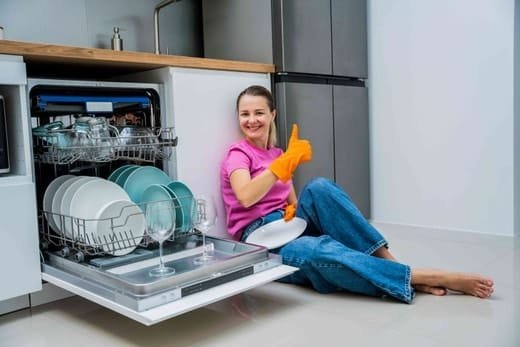

A typical appliance has a finite lifespan, meaning that’s how long a dishwasher lasts when it’s used daily in a home with average water hardness. If you run it more than once a day or have hard water, you can expect the internal parts to wear out sooner.
Table of Contents
How long your dishwasher should last?

| How you use it | How often | What tells you it’s due |
|---|---|---|
| Light use | 1-2 times weekly | Spotting on glasses |
| Moderate use | 3-5 times weekly | Longer wash cycles |
| Heavy use | Daily | Persistent food residue |
| Very heavy use | Twice daily | Leaking near door |
| Commercial use | Multiple times daily | Frequent error codes |
Consequences of Delayed Maintenance
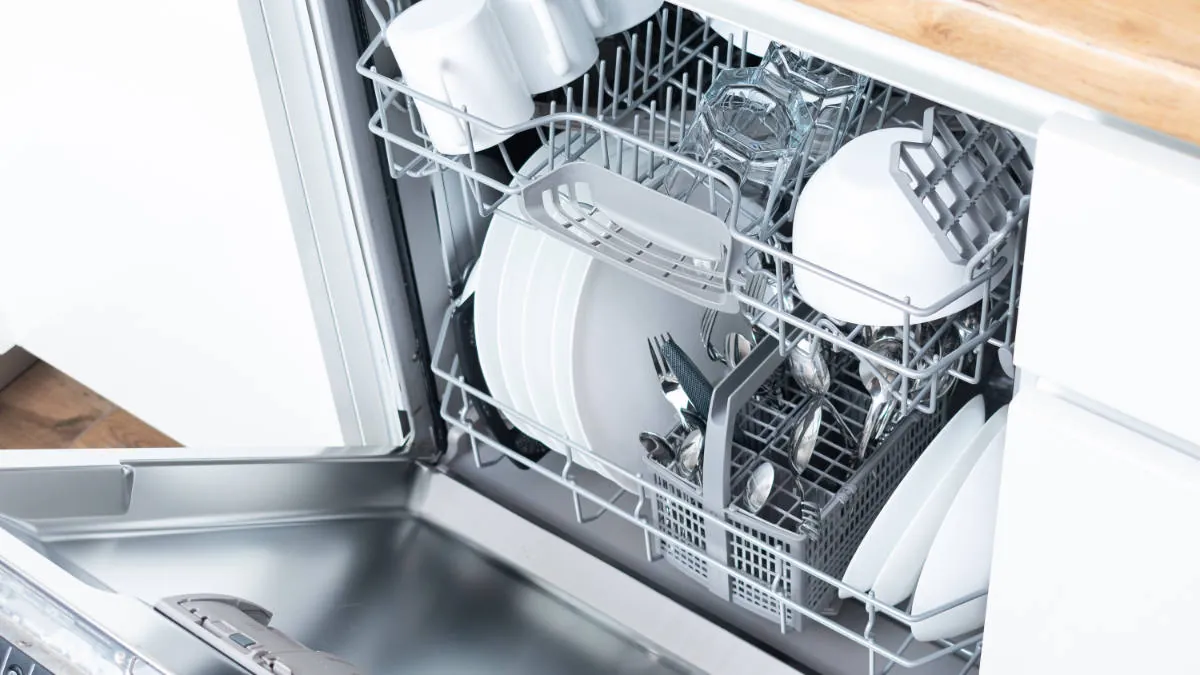
Neglecting your machine leads to a slow decline in performance that eventually causes a total system failure. The first change you’ll notice is a drop in cleaning quality as mineral buildup restricts water flow through the spray arms. This happens because hard water deposits, known as limescale, coat the heating element and internal sensors. According to the U.S. Department of Energy, keeping filters clean is essential to maintain efficiency and avoid unnecessary strain on the motor.
After several months of poor drainage, the pump must work significantly harder to push water through blocked screens. This extra stress often leads to a burnt-out motor or a failed pump seal. If you continue to run the unit while it’s leaking or making grinding noises, you risk damaging the floor beneath it. You can check your specific model’s maintenance manual for the exact cleaning schedule recommended by the manufacturer.
Signs Your Appliance Needs Attention
- Water pools at the bottom: This means the drain filter is clogged with debris.
- Dishes remain damp after drying: This indicates the heating element is likely covered in mineral scale.
- Unusual grinding or clicking sounds: These noises often point to a failing circulation pump or motor.
- Visible rust inside the tub: This suggests the protective coating has failed and metal is corroding.
- The door seal looks cracked: A brittle gasket will lead to leaks and heat loss during cycles.
- Cloudy film on glassware: This is a clear sign of hard water buildup that requires a descaling cycle.
Time and Effort for Care
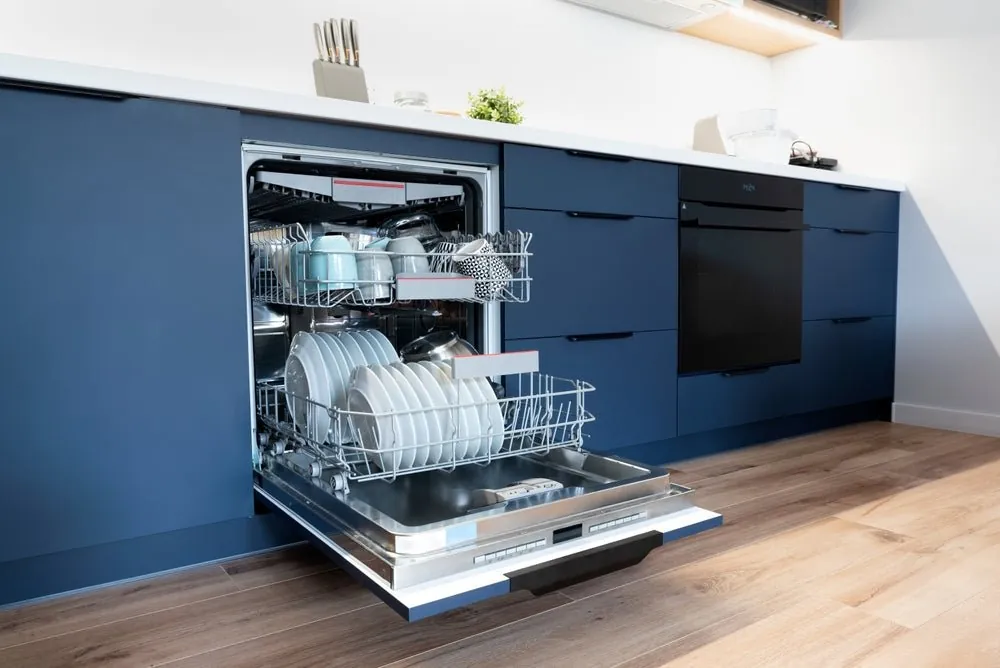
You’ll need a soft brush, a mild detergent, and white vinegar to remove deposits. The effort is minimal compared to the cost of a new unit, but it requires consistency. You should always check the Energy Star guides to ensure you’re using the correct detergents for your specific model.
If you notice persistent issues after cleaning, you should contact a licensed technician; don’t attempt to open the electrical housing or test live components yourself, as a capacitor can hold a lethal charge unplugged.
Habits to Extend Service Life?

- Scrape plates before loading: This prevents large food particles from clogging the drain pump.
- Use a monthly descaler: This removes mineral buildup on the heating element to keep it efficient.
- Check the door gasket: Keeping this seal clean prevents leaks that can damage the floor and frame.
- Run a hot cycle empty: This flushes out grease and soap scum that builds up in the pipes.
- Use a water softener: If your home has hard water, this prevents the rapid scale buildup that kills motors.
Frequently asked questions
How often should I clean the filter?
You should clean the filter to ensure proper drainage and prevent odors, though the frequency depends on use and you should consult the owner’s manual for guidance. If your household runs the machine every day, check the filter screen for debris buildup as recommended by the manufacturer to maintain optimal water flow.
Does the brand change the lifespan?
The brand is less important than the quality of water and the frequency of use in determining longevity. While some luxury brands use premium parts, all modern units rely on similar pump and heating technology that wears down based on usage patterns.
Can I fix a leaking dishwasher?
You can fix a leak if it’s caused by a damaged door gasket or a loose hose connection. If the water is coming from underneath the motor housing, you must call a professional, as this involves internal plumbing that requires specific tools.
Why does my dishwasher smell bad?
A bad smell is usually caused by food trapped in the filter or stagnant water in the drain hose. You can resolve this by removing the bottom filter and washing it with hot soapy water to clear out decomposing organic matter.
Is it safe to use vinegar for cleaning?
It’s safe to use white vinegar for cleaning, but you must not use it too frequently. Using it periodically is enough to break down mineral deposits without damaging the rubber seals inside the pump and door, though you should refer to the owner’s manual for the correct schedule.
How long does a cycle take?
A standard cycle takes between 90 and 120 minutes depending on the soil level and the selected wash mode. You can check the timer on your control panel to see the exact length for your specific cycle settings.
What happens if I use too much soap?
Using too much soap causes suds to overflow and can damage the pump motor over time. Always follow the manufacturer’s dosage instructions found on the detergent container, as modern dishwashers are designed to work with very small amounts of soap.
Should I repair or replace it?
You should repair the unit if the cost of the part and labor is less than half the price of a new machine. If the tub is rusted or the motor has failed after 10 years of use, replacing the unit is often more cost-effective.
Conclusion
Check your filter first to see if it’s blocked by food debris or mineral scale. You should expect the machine to drain clearly and run quietly once the obstruction is removed and the system is clean. If you still hear grinding noises or see active leaks, stop using the machine and call a professional technician.
Leave a Reply