
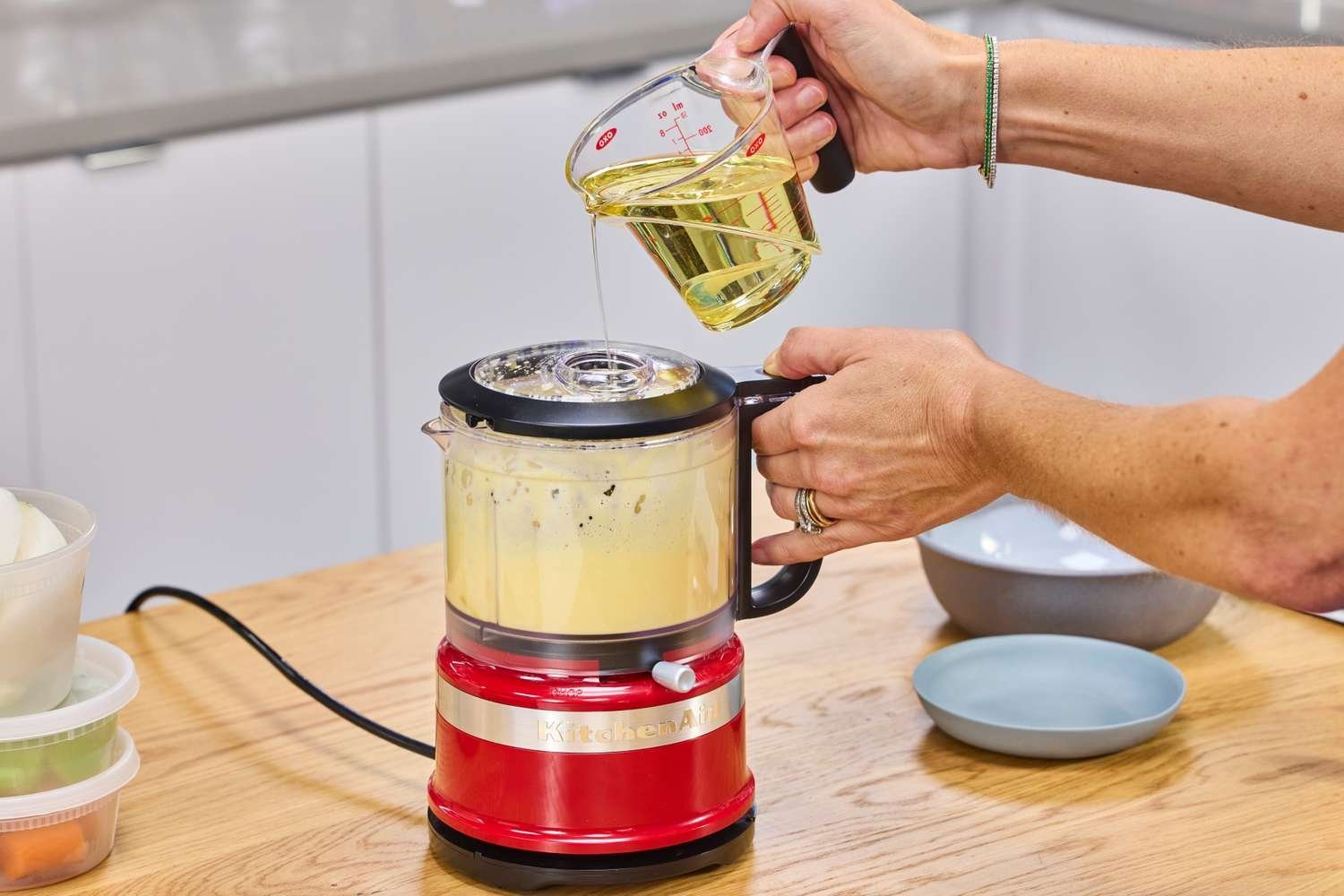

The bowl, lid, and blade of a KitchenAid food processor are generally dishwasher safe, provided you place them on the top rack. It’s important to confirm your specific model’s manual, as some older or specialized parts may require hand washing to prevent damage. Always verify that your components are designated as dishwasher safe before starting a cycle.
Table of Contents
Cleaning your kitchenaid food processor parts
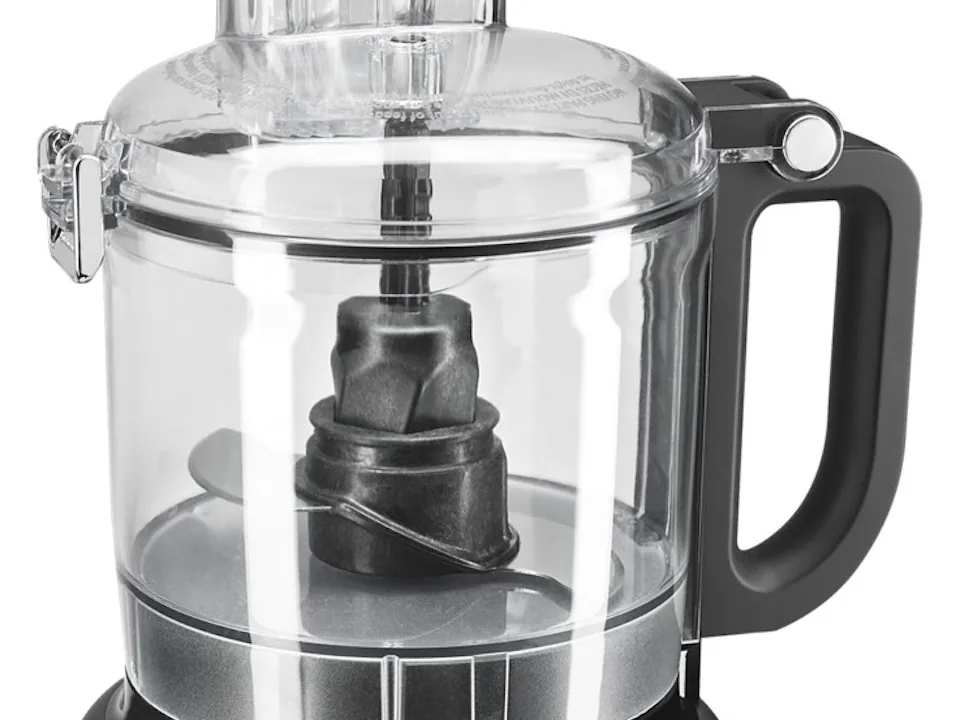
You should treat your food processor components with care to ensure they last for years. While the convenience of a machine is tempting, heat and harsh detergents can change the way plastic parts fit together over time.
- Always place the work bowl, lid, and blade on the top rack of your dishwasher.
- Avoid high-temperature wash cycles, as excessive heat can warp the plastic housing.
- Use a mild detergent to prevent the finish on your blades from becoming dull or pitted.
- If your model includes a dicing kit or specialized storage case, check the manual before cleaning, as these often require hand washing.
- Remove any stuck food particles with a soft brush before loading to ensure the water spray reaches all surfaces.
- Position all plastic parts away from the heating element to avoid melting or structural deformation.
Which Portable Dishwasher Is Best for Apartments
Why some parts must be hand washed
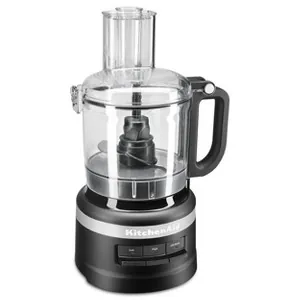
The materials used in high-end kitchen appliances often react poorly to the intense environment of a modern dishwasher. When you wash plastic bowls or lids, the combination of high water pressure and heat can cause the material to expand and contract. This process, known as thermal stress, often leads to tiny cracks called crazing. These cracks can harbor bacteria, which is a major concern when handling food.
Your blades also face risks during a machine wash. The sharp edge of a processor blade is precision-engineered for specific tasks. Dishwasher racks often cause metal-on-metal contact, which nicks the edge and reduces its cutting efficiency.
Furthermore, the chemicals in dishwasher pods can cause oxidation on aluminum or carbon steel components. If you’re unsure about the material of your blade, check the KitchenAid product support page for your specific serial number to see if your blade is stainless steel or a coated alternative.
What Is the Best Blender and Food Processor Combo
Exceptions for different processor models
Not every component in your kitchen is built to withstand the same level of heat and pressure. Refer to this table to determine how to handle your specific attachments.
| Component | Dishwasher Safe? | Cleaning Method |
|---|---|---|
| Work Bowl | Yes (Top Rack) | Use mild cycle |
| Plastic Lid | Yes (Top Rack) | Avoid heat dry |
| Metal Blade | Yes (Top Rack) | Use mild cycle |
| Dicing Kit | No | Hand wash only |
| Rubber Gasket | No | Hand wash separately |
How to wash your processor parts properly?
Follow these steps to clean your food processor components safely and effectively. If you don’t have a dishwasher, you can achieve the same results with a basin of warm, soapy water.
- Unplug the motor base from the wall outlet before you begin. Never submerge the motor base in water, as this contains electrical components that can cause a short circuit or lethal shock.
- Disassemble all parts, including the lid, the pusher, the blade, and the work bowl. Take care when handling the blade, as it’s extremely sharp.
- Rinse each piece under warm running water to remove large food scraps. This prevents your dishwasher filter from clogging during the main wash cycle.
- Place the bowl, lid, and pusher on the top rack of your dishwasher. Ensure they’re upside down so water drains out of the crevices.
- Wash the blades by hand in a sink with warm, soapy water. Use a long-handled brush to clean the center hub without touching the sharp cutting edges.
- Dry all parts thoroughly with a clean cloth before reassembling them. Storing parts while wet can lead to mold or mildew growth inside the bowl assembly.
Mistakes that ruin your appliance
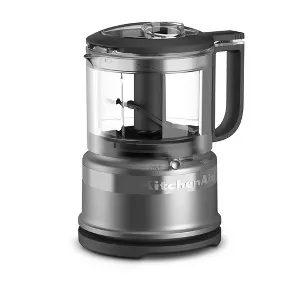
People often make the mistake of using the “heated dry” setting, which reaches temperatures high enough to warp the plastic bowl. Another common error is overcrowding the rack, which prevents the water from rinsing away detergent residues. You might also damage the motor coupling if you put the bowl back on the base while the inner stem is still wet. Always ensure every part is completely dry to prevent moisture from entering the motor housing.
Frequently asked questions
Can I put the motor base in the dishwasher?
No, you must never put the motor base in the dishwasher or submerge it in water. The internal circuits and power components aren’t sealed against water entry, which creates a high risk of electrical failure or fire. Clean the exterior of the base only with a soft, damp cloth and wipe it dry immediately.
Why does my plastic bowl look cloudy after washing?
Cloudiness is usually caused by hard water mineral deposits or the use of harsh detergents in your dishwasher. If you see this, try using a rinse aid or hand washing the bowl with a vinegar solution to restore the clarity of the plastic. Avoid abrasive scrubbers, as they will scratch the surface permanently.
How long do the plastic parts last in the dishwasher?
The lifespan of your plastic parts depends on how often you run the dishwasher and the intensity of the heat cycle. Most bowls will show signs of wear, such as surface dulling or minor hairline cracks, after a period of regular dishwasher use. If you notice deep cracks, replace the bowl to ensure it remains food-safe.
Is it safe to wash the blade in the dishwasher?
No, it isn’t recommended to wash the blade in the dishwasher because the harsh detergents will dull the cutting edge over time. Hand washing is the best way to maintain the sharpness of the blade. Always dry the blade immediately after washing to prevent rust or spotting on the metal surface.
What happens if I use a high-heat cycle?
Using a high-heat cycle will likely cause the plastic bowl or lid to warp, which prevents them from locking onto the base correctly. Once the plastic is warped, the safety interlock mechanism may fail to engage, making the processor impossible to operate. Always select the delicate or light wash cycle if you choose to use the machine.
Does it matter if I use powder or liquid detergent?
It does matter, as some powder detergents are more abrasive and can scratch the clear finish of your food processor bowl. Liquid detergents are generally gentler on kitchen plastics and are less likely to leave a chalky residue. Always ensure the detergent is fully rinsed away by running an extra rinse cycle if your dishwasher allows it.
Conclusion
Keep your food processor in top condition by washing the delicate plastic parts by hand when you have a moment. While the convenience of the dishwasher is useful, the long-term integrity of your appliance is better protected by a gentle scrub in the sink.
Leave a Reply