
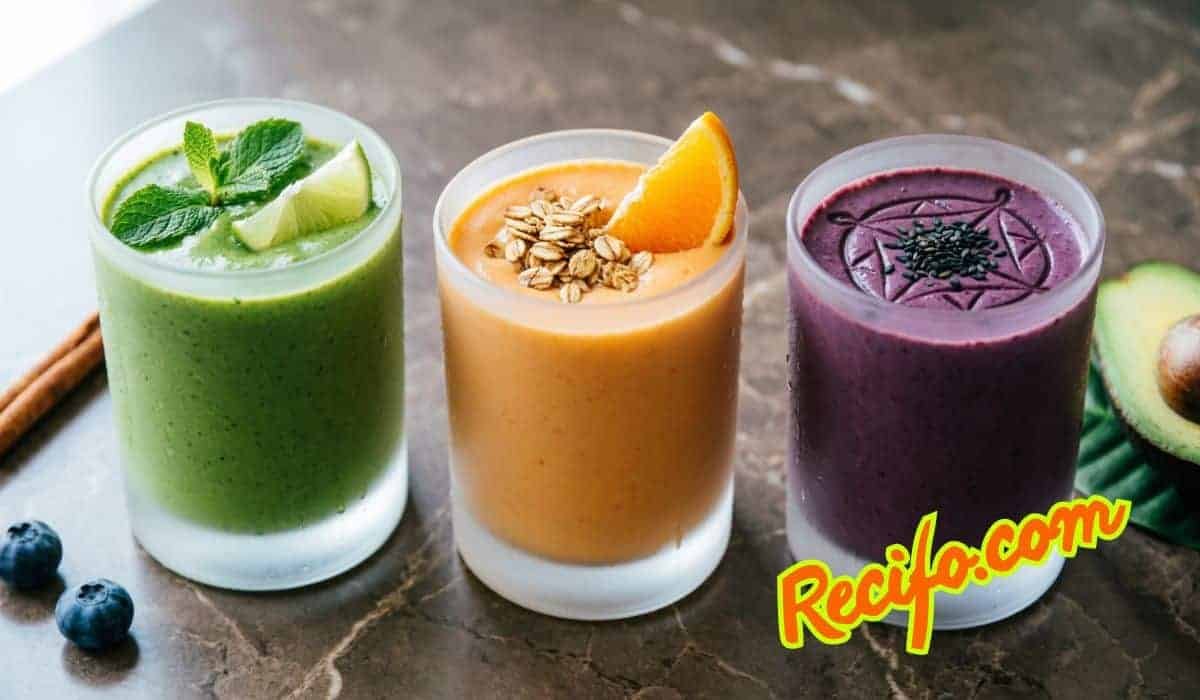

A smoothie can be breakfast, lunch, or a sugar bomb in a cup. The difference is not the blender. It is what goes into it.
Many people call any blended drink a “meal replacement smoothie,” but a cup of fruit and juice is not the same as a meal. It may taste fresh, and it may look healthy, but it often fails where it matters most: keeping you full, giving steady energy, and helping you avoid the snack hunt one hour later.
A real meal replacement smoothie needs structure. It should have enough protein, enough fiber, some healthy fat, and enough calories to stand in for an actual meal. That does not mean it has to be complicated. In fact, the best version is usually simple, repeatable, and made with basic ingredients you already know.
Table of Contents
What Is a Meal Replacement Smoothie?
A meal replacement smoothie is a blended drink made to take the place of a normal meal, usually breakfast or lunch. It is different from a snack smoothie because it is more filling and more balanced.
A snack smoothie might be small, light, and mostly fruit. A meal replacement smoothie needs to do more work. It should help with fullness, energy, and basic nutrition.
A good meal replacement smoothie usually includes:
- A liquid base
- A clear protein source
- Fruit or vegetables
- A fiber-rich ingredient
- A small amount of healthy fat
- Flavor without too much added sugar
The goal is not to make the thickest smoothie possible. The goal is to make a drink that behaves like a meal.
Why Most Smoothies Do Not Keep You Full?
Most homemade smoothies fail because they are built like desserts. Banana, mango, orange juice, sweetened yogurt, honey, and ice can taste great, but that mix is often low in protein and low in fiber.
That kind of smoothie may give quick energy, then leave you hungry soon after.
Common problems with weak smoothies
| Problem | Why It Matters | Better Choice |
|---|---|---|
| Too much juice | Adds sugar without much fullness | Use milk, soy milk, Greek yogurt, or water |
| No protein | Hunger comes back quickly | Add Greek yogurt, protein powder, tofu, or milk |
| No fiber | Smoothie digests too fast | Add oats, chia seeds, flaxseed, or berries |
| Too few calories | Not enough to replace a meal | Add oats, yogurt, nut butter, or avocado |
| Too many extras | Calories climb fast | Measure dense ingredients like nut butter |
A smoothie does not need to be perfect. It just needs to be built better than “fruit plus liquid.”
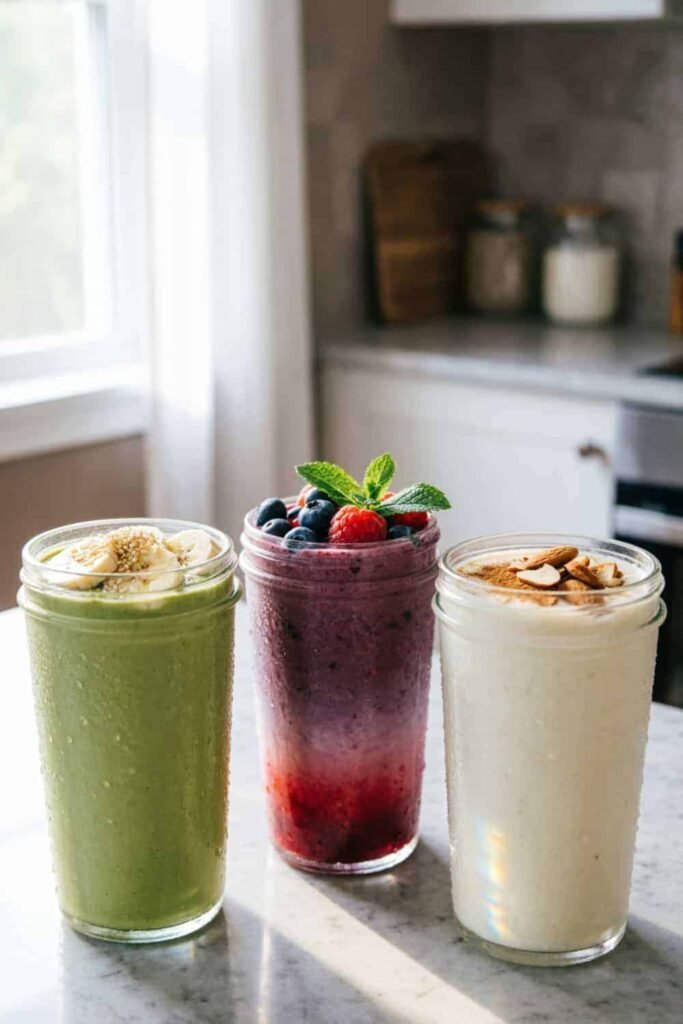
The Simple Formula for a Filling Meal Replacement Smoothie
The easiest way to build a smoothie is to use a simple formula instead of guessing.
1. Start with a liquid base
The liquid decides the texture and affects the nutrition. Unsweetened choices are usually best because fruit already brings natural sweetness.
Good options include:
- Unsweetened almond milk
- Dairy milk
- Soy milk
- Oat milk
- Kefir
- Plain yogurt mixed with water
- Water, if you want something lighter
Fruit juice is not the best everyday base for meal replacement smoothies. It can make the drink taste good, but it removes the balance you need for fullness.
2. Add protein
Protein helps make the smoothie feel like a meal. Without it, the smoothie may taste good but leave you reaching for toast, cookies, or coffee soon after.
Good protein options include:
- Plain Greek yogurt
- Protein powder
- Cottage cheese
- Soy milk
- Kefir
- Silken tofu
- Peanut butter
- Powdered peanut butter
For a meal replacement, aim for about 20 grams of protein or more when possible.
3. Add fiber
Fiber helps slow digestion and supports fullness. It also gives the smoothie more body.
Good fiber options include:
- Rolled oats
- Chia seeds
- Ground flaxseed
- Berries
- Banana
- Spinach
- Avocado
Oats are especially useful because they are cheap, easy to blend, and make the smoothie thicker. They also contain beta-glucan, a type of soluble fiber.
4. Add healthy fat
Fat makes a smoothie creamier and more satisfying. The key is to use a small amount because fat-rich foods can add calories quickly.
Good choices include:
- Peanut butter
- Almond butter
- Chia seeds
- Flaxseed
- Avocado
- Hemp seeds
One tablespoon of nut butter is usually enough for a single smoothie.
5. Add flavor without turning it into dessert
You can make a smoothie taste good without piling in sweeteners.
Try:
- Cinnamon
- Vanilla extract
- Cocoa powder
- Ginger
- Nutmeg
- Cold coffee
- Unsweetened coconut
A ripe banana often adds enough sweetness on its own.
One Meal Replacement Smoothie Recipe
Peanut Butter Banana Oat Meal Replacement Smoothie
This is the only recipe you need to start. It is creamy, filling, easy to blend, and made with common ingredients. It works well for breakfast, lunch, or a post-workout meal when you do not have time to cook.
Ingredients
| Ingredient | Amount | Why It Is Used |
|---|---|---|
| Unsweetened milk of choice | 1 cup | Liquid base and smooth texture |
| Banana | 1 medium | Natural sweetness and creaminess |
| Plain Greek yogurt | 1/2 cup | Protein and thickness |
| Rolled oats | 1/4 cup | Fiber and long-lasting fullness |
| Peanut butter | 1 tablespoon | Healthy fat and flavor |
| Chia seeds | 1 tablespoon | Fiber and thicker texture |
| Cinnamon | 1/2 teaspoon | Warm flavor without sugar |
| Protein powder | 1 scoop, optional | Extra protein |
| Ice cubes | A few, optional | Colder, thicker smoothie |
Instructions
- Pour the milk into the blender first.
- Add banana, Greek yogurt, oats, peanut butter, chia seeds, and cinnamon.
- Add protein powder if you want a higher-protein smoothie.
- Blend until smooth.
- Let it sit for 2–3 minutes if you want it thicker.
- Add a splash of milk if it becomes too thick.
Estimated Nutrition
The exact numbers depend on the milk, yogurt, and protein powder you use.
| Version | Calories | Protein | Fiber | Best For |
|---|---|---|---|---|
| Without protein powder | Around 430–500 | Around 20–25g | Around 8–10g | Breakfast or light lunch |
| With protein powder | Around 530–650 | Around 40–50g | Around 8–10g | Higher-protein meal |
This smoothie works because it does not rely on fruit alone. The oats, chia seeds, yogurt, and peanut butter help it behave more like a real meal.
How to Make This Smoothie Match Your Goal
The same smoothie can be adjusted slightly depending on what you need. Keep the base recipe the same, then change the portion sizes.
For weight loss
Use the recipe without extra sweeteners. Measure the peanut butter instead of scooping freely. Choose unsweetened milk and plain yogurt.
Helpful tips:
- Use 1 tablespoon peanut butter, not 2 or 3.
- Skip honey, maple syrup, and sweetened yogurt.
- Use a smaller banana if you want fewer calories.
- Keep the smoothie as a meal, not an extra drink beside breakfast.
A smoothie can help with weight loss only when it replaces a meal or fits into your day. Drinking it on top of a full breakfast may add more calories than expected.
For weight gain
Make the smoothie more calorie-dense without adding junk.
Add one of these:
- Extra 1/4 cup oats
- Extra tablespoon peanut butter
- Full-fat Greek yogurt
- Whole milk
- Half an avocado
These additions make the smoothie heavier and more filling.
For muscle support
Use the protein powder option or choose high-protein milk and Greek yogurt. This gives the smoothie enough protein to support recovery after training.
Good choices include:
- Dairy milk
- Soy milk
- Greek yogurt
- Whey protein
- Plant protein powder
The smoothie will not build muscle by itself, but it can help you meet protein needs when paired with regular meals and strength training.
Best Ingredients for Meal Replacement Smoothies
The best smoothie ingredients are not trendy. They are practical, filling, and easy to use.
Best protein ingredients
| Ingredient | Why It Works |
|---|---|
| Greek yogurt | Thick, creamy, high in protein |
| Protein powder | Easy way to raise protein |
| Cottage cheese | Mild taste and blends creamy |
| Soy milk | Higher protein than many plant milks |
| Kefir | Tangy, drinkable, contains live cultures |
| Silken tofu | Smooth texture and dairy-free |
| Peanut butter | Adds some protein plus fat |
Best fiber ingredients
| Ingredient | Why It Works |
|---|---|
| Rolled oats | Thickens smoothie and adds fiber |
| Chia seeds | Absorb liquid and improve fullness |
| Ground flaxseed | Nutty flavor and fiber |
| Berries | Lower sugar fruit with fiber |
| Banana | Creamy texture and natural sweetness |
| Spinach | Mild taste and adds nutrients |
| Avocado | Creamy texture and filling fat |
Best flavor boosters
- Cinnamon
- Cocoa powder
- Vanilla extract
- Instant coffee
- Ginger
- Unsweetened coconut
- A small pinch of salt
A pinch of salt may sound strange, but it can make peanut butter and banana flavors stand out.
Smoothie Mistakes to Avoid
Using juice as the main liquid
Juice can make a smoothie taste bright, but it does not add much fullness. Whole fruit is usually better because it keeps the fiber.
Forgetting protein
A fruit smoothie without protein often feels more like a drink than a meal. Add Greek yogurt, milk, soy milk, tofu, cottage cheese, or protein powder.
Making it too small
A tiny smoothie may be fine as a snack, but it is not enough for most people as breakfast or lunch. If you replace a full meal, the smoothie needs enough substance.
Adding too many “healthy” extras
Healthy ingredients still count. Peanut butter, chia seeds, oats, avocado, and protein powder are useful, but adding all of them in large amounts can make the smoothie very high in calories.
Using sweetened ingredients
Sweetened yogurt, sweetened milk, flavored protein powders, honey, and juice can add up. Start with plain and unsweetened ingredients, then sweeten only if needed.
How to Prep Smoothies Ahead of Time
Meal replacement smoothies are popular because they save time. A little prep makes them even easier.
Make freezer packs
Add these to a freezer bag or container:
- Sliced banana
- Rolled oats
- Chia seeds
- Cinnamon
In the morning, dump the pack into the blender and add milk, yogurt, and peanut butter.
Keep liquids separate
Do not freeze the full smoothie with yogurt and milk unless you like thawing and shaking. The texture can change. It is better to freeze the dry and fruit ingredients, then add liquid fresh.
Use the right blender order
For smoother blending:
- Liquid first
- Yogurt second
- Oats and seeds
- Nut butter
- Frozen fruit and ice last
This helps the blender pull everything down evenly.
Store leftovers carefully
A smoothie tastes best fresh, but you can store leftovers in a sealed jar in the fridge for up to 24 hours. Shake it before drinking because it may separate.
Who Should Be Careful With Meal Replacement Smoothies?
Meal replacement smoothies are useful, but they are not perfect for everyone.
People with diabetes or blood sugar concerns
Fruit-heavy smoothies can raise blood sugar quickly, especially when made with juice. A better choice is a smoothie with protein, fiber, and healthy fat. Berries, Greek yogurt, chia seeds, and oats are often better than juice-heavy blends.
People with food allergies
Common smoothie allergens include:
- Milk
- Peanuts
- Tree nuts
- Soy
- Some protein powders
Choose ingredients that match your needs. For example, use sunflower seed butter instead of peanut butter if needed.
People with sensitive digestion
Chia seeds, oats, protein powder, and dairy can bother some people, especially in large amounts. Start small and see how your body reacts.
People replacing several meals a day
One smoothie a day can be convenient. Replacing most meals with smoothies is different. Whole meals still matter because they give texture, variety, and a wider range of nutrients.
FAQ About Meal Replacement Smoothies
Can a smoothie really replace a meal?
Yes, but only if it has enough protein, fiber, healthy fat, and calories. A fruit-only smoothie is usually better as a snack.
Are meal replacement smoothies good for weight loss?
They can be helpful if they replace a meal and keep you full. They are less helpful if they are added on top of normal meals.
How much protein should a meal replacement smoothie have?
A practical target is at least 20 grams of protein. Some people may need more depending on body size, activity level, and goals.
Is it okay to drink one every day?
For many people, yes. A daily smoothie can be convenient, especially for breakfast. The rest of the day should still include whole foods, vegetables, protein, and balanced meals.
Do I need protein powder?
No. Protein powder is optional. Greek yogurt, soy milk, dairy milk, tofu, cottage cheese, and kefir can also add protein.
What is the best liquid for a meal replacement smoothie?
Unsweetened milk, soy milk, dairy milk, almond milk, kefir, or water can work. Juice is usually not the best main liquid because it adds sweetness without much fullness.
Can I make it without banana?
Yes. You can use berries, mango, peach, avocado, or extra Greek yogurt for thickness. The taste will be less sweet without banana.
Why am I hungry after drinking a smoothie?
It may be too low in protein, too low in fiber, too small, or too high in quick-digesting sugar. Add oats, Greek yogurt, chia seeds, nut butter, or protein powder.
Final Thoughts
A meal replacement smoothie should not be a thin fruit drink with a health halo. It should be filling enough to earn the name.
The peanut butter banana oat smoothie works because it covers the basics: protein from Greek yogurt, fiber from oats and chia seeds, natural sweetness from banana, and healthy fat from peanut butter. It is simple enough for busy mornings and balanced enough to keep you full longer than a juice-based smoothie.
Keep the formula in mind: liquid, protein, fruit, fiber, and a little fat. Once that becomes automatic, making a better smoothie gets easy.
Leave a Reply