
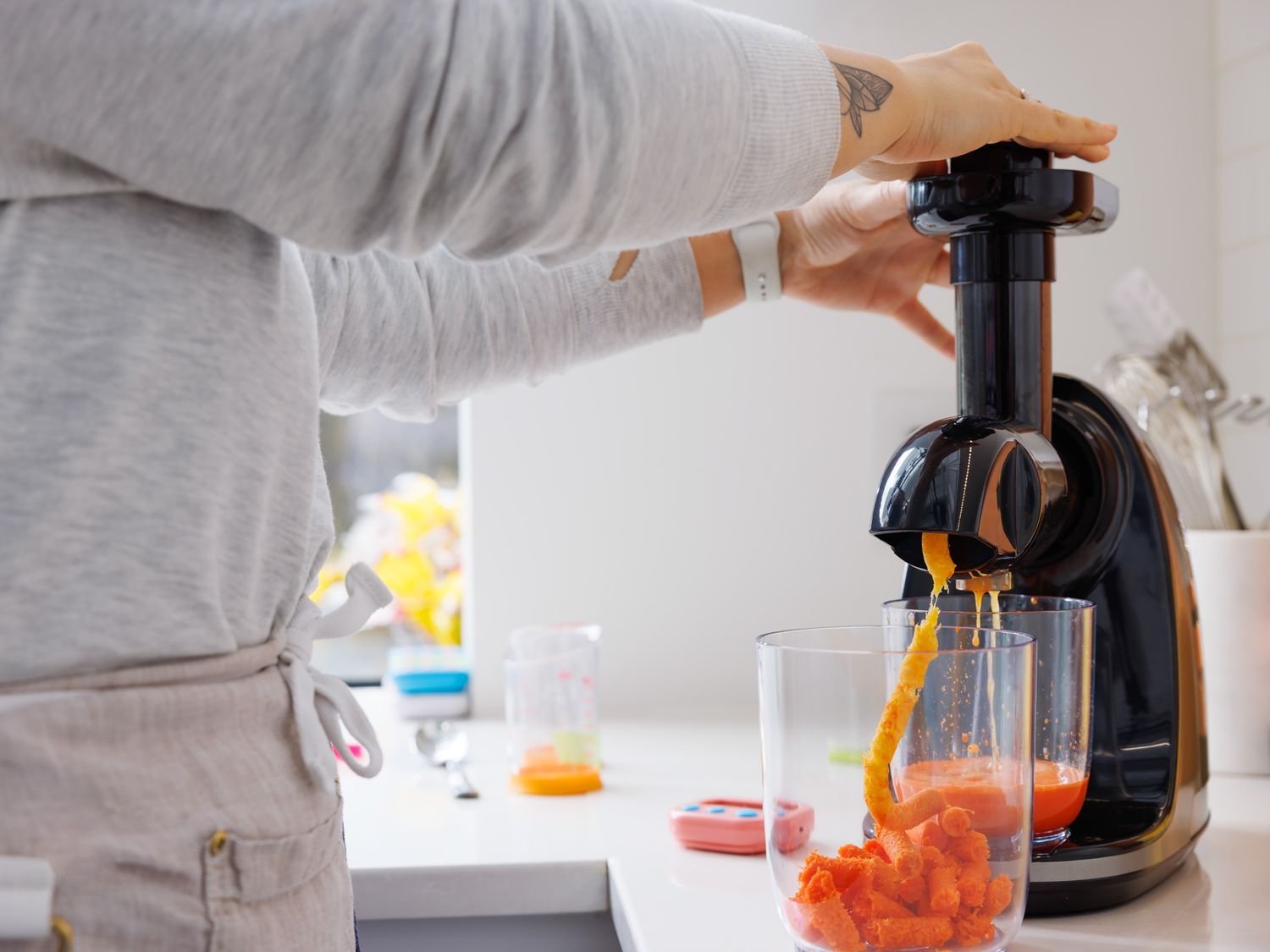

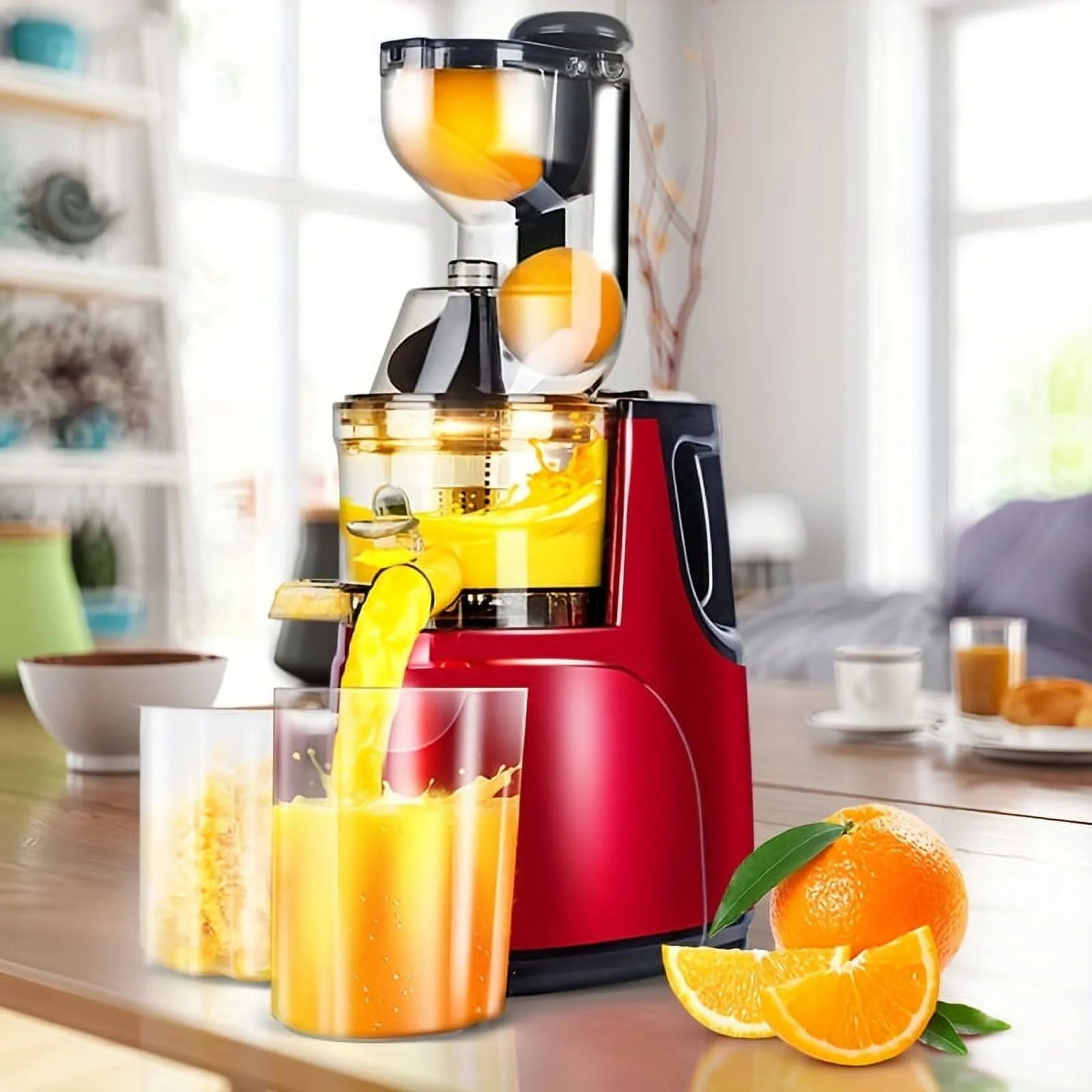
Masticating juicers are appliances that use a single or double auger to slowly crush fruits and vegetables to extract juice. They operate at lower speeds than centrifugal models, which helps reduce heat buildup and oxidation during the pressing process. This method typically results in a higher yield of juice from leafy greens and wheatgrass compared to faster machines.
Table of Contents
How masticating juicers work?
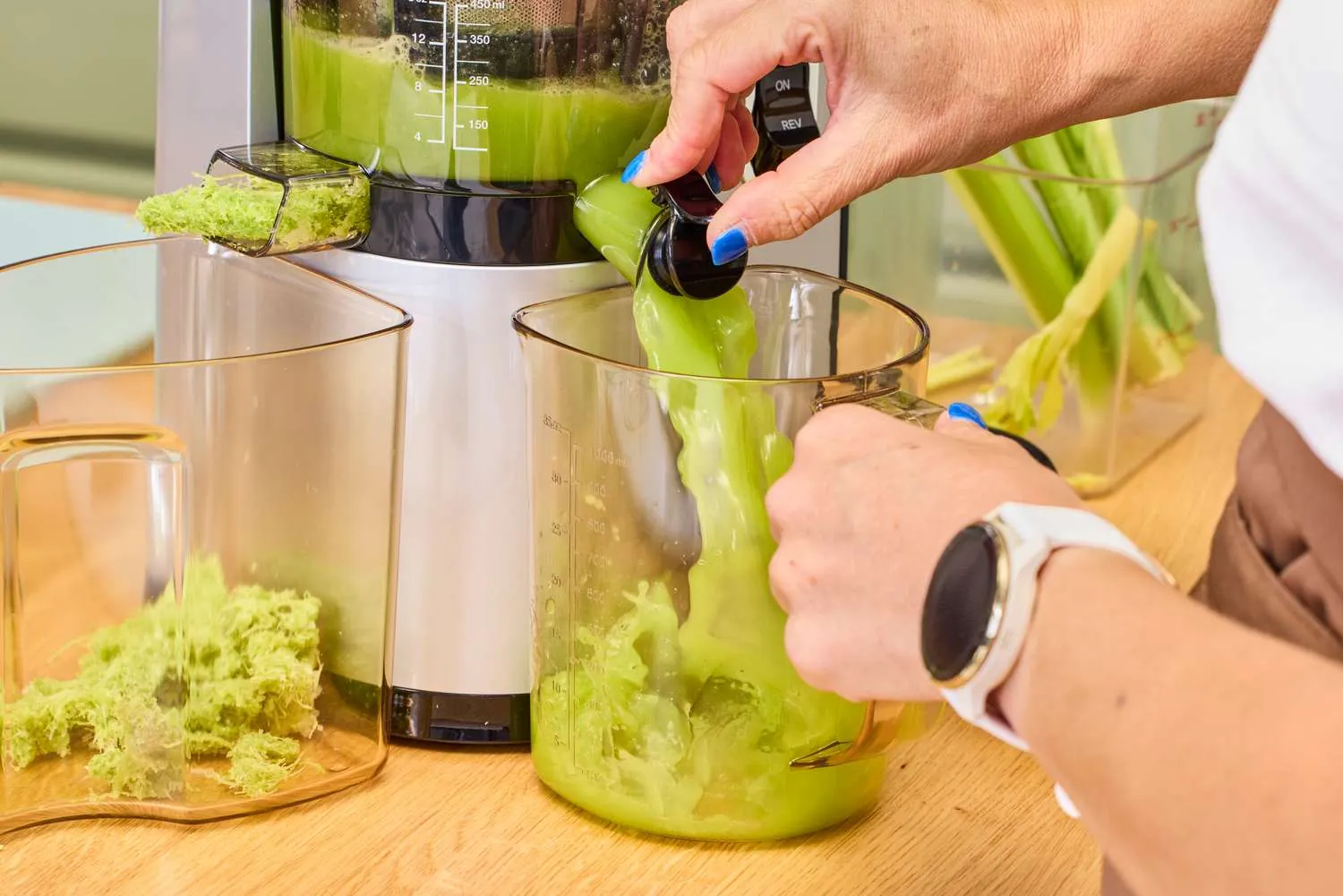
These machines function by mimicking the chewing motion of teeth to break down plant fibers. By using a low-speed motor, they exert high pressure on produce to squeeze out liquid through a fine-mesh screen. Because the process is slower, it creates less foam and preserves more of the raw nutrients found in fresh produce.
- Operate at speeds between 40 and 100 revolutions per minute to minimize heat transfer.
- Extract more liquid from fibrous items like kale, spinach, and wheatgrass than high-speed alternatives.
- Produce less noise during operation because the motor doesn’t need to spin at high velocity.
- Require more prep time as produce often needs to be cut into smaller pieces to fit the chute.
- Maintain juice quality for up to 72 hours when stored in a sealed container in the refrigerator.
- Feature fewer internal moving parts, which generally makes them quieter but slightly more complex to clean.
Why these machines extract more juice?
The primary advantage of this design is the mechanical efficiency of the crushing process. By avoiding the high-speed blades found in other juicers, the masticating process limits the amount of air incorporated into the juice.
This reduction in oxidation is why juice from these machines often retains its color and flavor for longer periods. The slow press extracts liquid from cells more thoroughly, leaving behind a drier pulp. While the National Institutes of Health emphasizes that dietary fiber is essential for health, many users prefer these juicers because they can separate large amounts of concentrated vitamins from the fibrous bulk of the plant.
The internal mechanism, often called an auger, is built to handle tough fibrous materials that would clog or damage centrifugal blades. If you use a high-speed blade on wheatgrass, the machine will likely struggle and produce very little liquid. The Food and Drug Administration provides general guidance on the safe handling of fresh produce to ensure your home-juicing process remains sanitary and safe from foodborne illness.
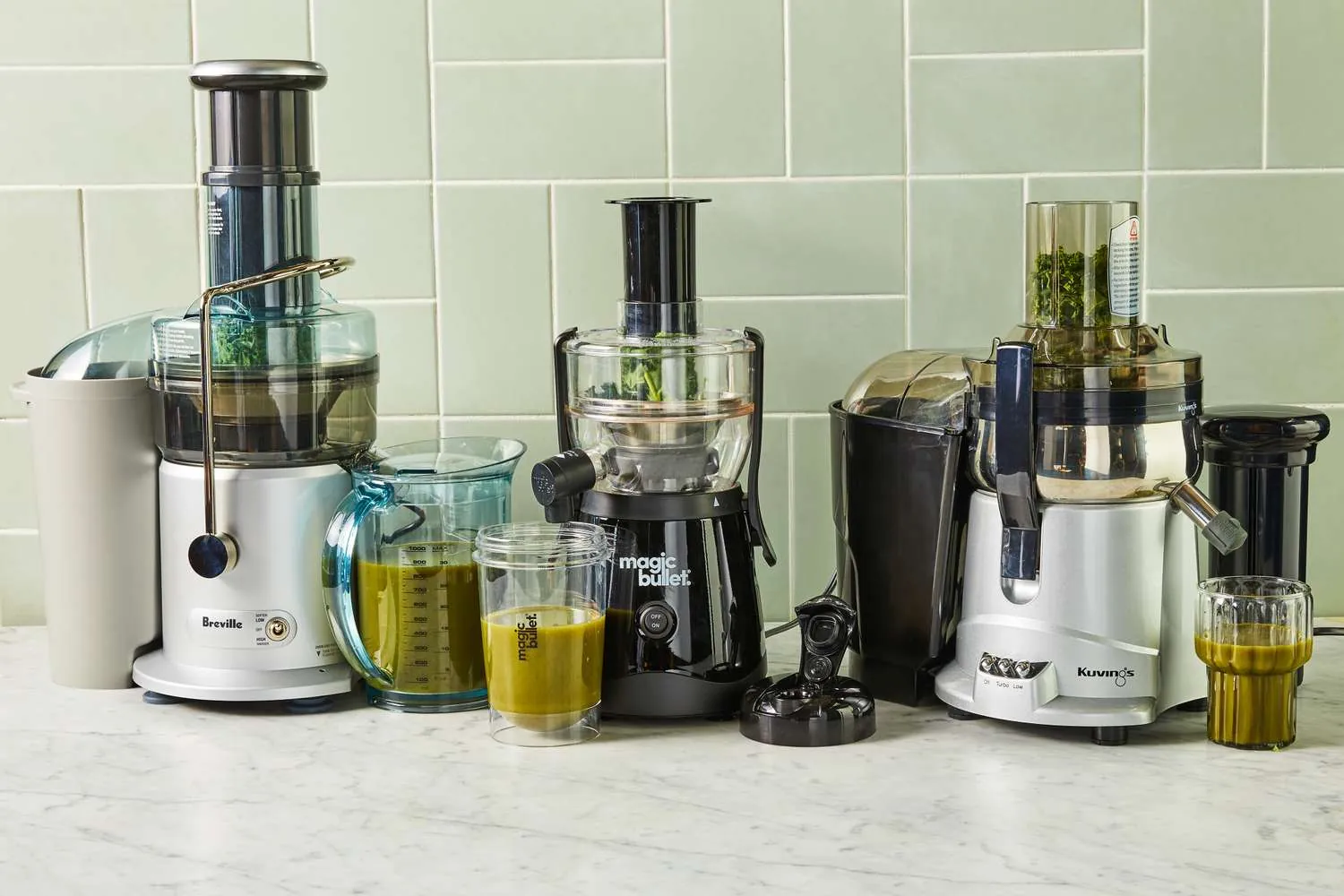
Comparing different juicer types
| Juicer Type | Typical Speed | Best For | Noise Level |
|---|---|---|---|
| Masticating | 40-100 RPM | Greens, roots | Low |
| Centrifugal | 3,000-15,000 RPM | Hard fruits | High |
| Twin Gear | 100-160 RPM | Maximum yield | Moderate |
| Citrus Press | Manual/Low | Citrus only | Very low |
Choose a centrifugal model if you prioritize speed and morning convenience, as these machines process apples or carrots in seconds. Avoid them for kale or spinach, however, as the high-speed blades oxidize delicate leaves and yield minimal juice.
If your diet centers on wheatgrass or leafy greens, invest in a masticating juicer. These machines use a slow auger to crush fibers, preserving enzymes that heat-generating centrifugal blades destroy.
Expect to spend twice as long cleaning a twin gear model compared to a standard centrifugal unit. If you struggle with grip strength, skip the manual citrus press and opt for an electric reamer to save your wrists. Always check your counter space before buying; twin gear machines often require double the footprint of compact centrifugal options.
How to use a masticating juicer?
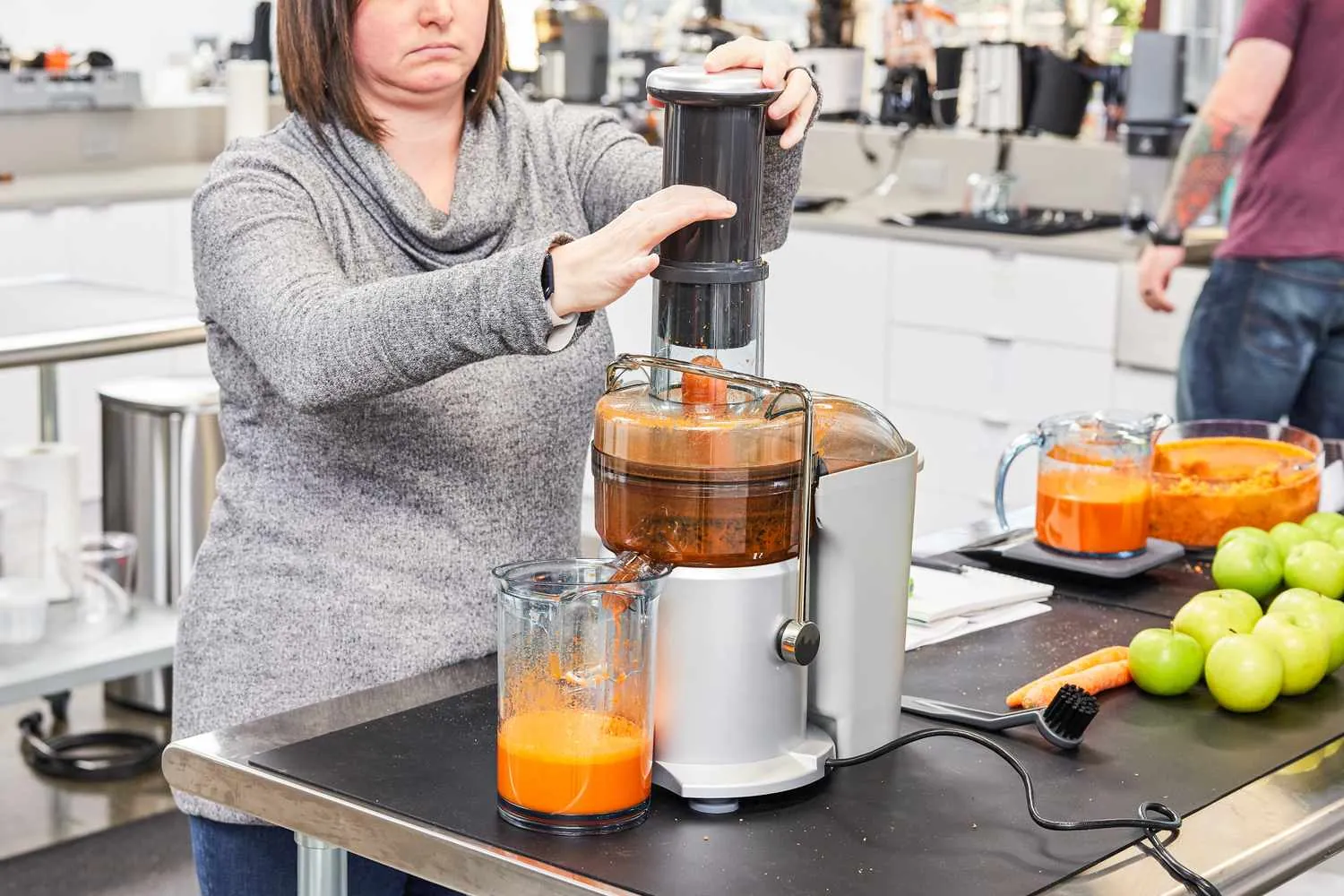
- Wash all produce thoroughly under running water to remove dirt or residue.
- Cut your fruits and vegetables into pieces that fit easily into the feed chute.
- Turn the machine on before you start inserting any food items.
- Feed the produce into the chute one piece at a time using the provided pusher.
- Allow the machine to process each piece fully before adding the next one.
- Monitor the pulp output to ensure the machine isn’t becoming clogged with fiber.
- Turn the machine off once all produce has passed through the auger completely.
Common mistakes to avoid
Forcing produce down the chute too quickly can cause the motor to stall or jam. If you hear the motor pitch drop, stop pushing immediately and let it clear itself before adding more.
Failing to remove hard pits or seeds can damage the internal screen or auger. Always slice stone fruits in half to ensure the pit is removed, as a single cherry pit can crack the plastic housing.
Leaving the machine uncleaned after use allows plant residue to harden. Aim to rinse the parts within ten minutes of juicing. If you wait until the pulp dries, you’ll spend three times longer scrubbing the mesh.
Adding fibrous ingredients without alternating them with softer produce leads to internal blockages. Pair leafy greens with watery cucumbers to keep the flow consistent.
Frequently asked questions
How long does the juice stay fresh?
The juice typically stays fresh for up to 72 hours when stored in an airtight glass container inside your refrigerator. Because the slow extraction process reduces oxidation, the liquid maintains its nutritional quality and taste significantly longer than juice made with high-speed centrifugal blades.
Is it hard to clean?
Cleaning takes about 5 to 10 minutes depending on the complexity of your specific model. You must rinse the screen and auger under warm water immediately after use to prevent pulp from drying, which makes the task much faster than scrubbing dried residue later.
Can I juice frozen fruit?
You should avoid putting frozen fruit into the machine unless your specific manual says it’s safe. Most augers are designed for fresh produce, and frozen items can put too much stress on the plastic housing, which may lead to cracks or mechanical failure.
Why does the machine make a clicking sound?
The clicking sound often happens when the auger is under too much pressure from large or hard pieces of produce. You should stop the machine, clear the feed chute of any blockages, and cut your remaining ingredients into smaller pieces before you continue.
Does it work for soft fruits?
It works for soft fruits, but the result is often more of a puree than a thin liquid. If you prefer a clear juice, you should mix soft items like berries with harder produce like apples or carrots to help push the pulp through the screen.
Can I make nut milk?
You can make nut milk if you soak the nuts in water for 8 to 12 hours before processing. After soaking, feed the nuts and fresh water together into the machine to create a creamy, fresh dairy alternative without any additives.
Conclusion
If you’re ready to upgrade your morning routine, look for a model that fits your kitchen counter space and is easy to take apart. You’ll find that cleaning it doesn’t have to be a chore if you rinse the parts right away. It’s a simple way to enjoy fresher, more nutritious drinks daily.
Leave a Reply