
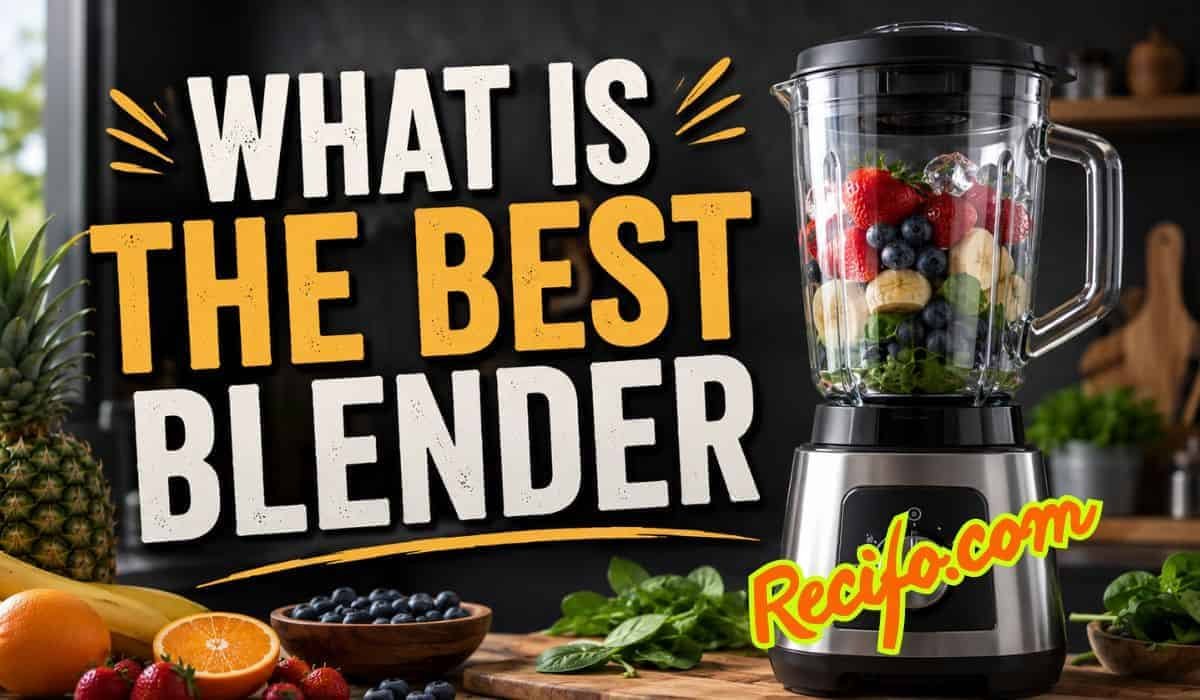
Choosing the best blender depends on your needs, budget, and the types of food or drinks you want to make. If you want a blender for smoothies, soups, sauces, or crushing ice, you should look for strong blades, a powerful motor, and easy cleaning. Most experts agree that high-performance blenders like the Vitamix 5200 and Blendtec Total Classic are leaders, but budget-friendly options like the Ninja Professional also offer great value for home use.
Table of Contents
Key Features That Make A Blender “best”
You need to check several important features before buying any blender:
- Motor Power: Strong motors (1000 watts or more) blend tough ingredients and crush ice.
- Blade Quality: Stainless steel blades last longer and cut more effectively.
- Capacity: Choose a jar size that suits your family or personal use—usually 32 to 64 ounces.
- Controls: Variable speed and pulse options give you more control over texture.
- Build Quality: Solid construction means better durability and less vibration.
- Cleaning: Removable blades and dishwasher-safe jars save time.
Many people ignore motor power, but it’s crucial for smooth blends. A weak motor often leaves lumps, especially with frozen fruits or vegetables.
Top Blender Models Compared
Here’s a quick comparison of popular blenders in the US market:
| Model | Motor Power (Watts) | Jar Capacity (oz) | Price Range |
|---|---|---|---|
| Vitamix 5200 | 1380 | 64 | $400–$500 |
| Blendtec Total Classic | 1560 | 75 | $350–$450 |
| Ninja Professional BL610 | 1000 | 72 | $80–$120 |
| NutriBullet Pro | 900 | 32 | $70–$100 |
| KitchenAid K400 | 1200 | 56 | $220–$300 |
For most home users, the Ninja Professional offers a balance of price and performance. If you need smoother blends, the Vitamix or Blendtec are worth the higher price.
:max_bytes(150000):strip_icc()/alr-primary-blenders-rkilgore-0129-04807bd0ae994d2f96aee779c20915dc.jpeg)
Performance: Real-life Testing
Performance is measured by how well a blender handles tasks like:
- Making green smoothies with kale and spinach
- Crushing ice for frozen drinks
- Pureeing soups and sauces
In tests, the Vitamix 5200 consistently delivers smooth textures, even with leafy greens. The Blendtec is strong for ice and frozen fruit, blending in seconds. The Ninja Professional works well for basic smoothies but sometimes leaves small chunks, especially with harder ingredients.
A common mistake is expecting small personal blenders to handle big jobs. They’re best for single servings and soft ingredients.
Ease Of Use And Cleaning
Many users struggle with cleaning blenders. Look for models with:
- Removable blades
- Dishwasher-safe parts
- Wide jar openings
Blenders like the NutriBullet Pro have simple, twist-off blades and jars that fit in most dishwashers. The Vitamix and Blendtec can self-clean by blending warm water and dish soap for 30 seconds.
Here’s a quick comparison of cleaning features:
| Model | Removable Blades | Dishwasher Safe Jar | Self-Clean Mode |
|---|---|---|---|
| Vitamix 5200 | No | Yes | Yes |
| Blendtec Total Classic | No | Yes | Yes |
| Ninja Professional BL610 | Yes | Yes | No |
| NutriBullet Pro | Yes | Yes | No |
| KitchenAid K400 | No | Yes | Yes |
Many first-time buyers miss the importance of cleaning. If you use your blender daily, easy cleaning saves time and keeps the device in good condition.
Durability And Warranty
Durability matters if you blend tough ingredients. High-end models like Vitamix and Blendtec have sturdy bases, thick jars, and strong blades. Most also offer longer warranties (5–7 years).
Lower-cost blenders often have plastic parts that crack or wear out in 1–2 years. If you plan to use your blender often, paying more upfront can mean less hassle and fewer replacements.
| Model | Warranty | Main Materials |
|---|---|---|
| Vitamix 5200 | 7 years | Metal, BPA-free plastic |
| Blendtec Total Classic | 8 years | Metal, BPA-free plastic |
| Ninja Professional BL610 | 1 year | Plastic, stainless steel |
| NutriBullet Pro | 1 year | Plastic, stainless steel |
| KitchenAid K400 | 5 years | Metal, BPA-free plastic |
What Should You Really Look For?
To decide which blender is best for you, consider:
- Your main use: Smoothies, soups, nut butters, ice
- Frequency: Daily or occasional use
- Budget: Don’t overspend if you use it rarely
- Space: Counter space and storage
If you want a blender for tough jobs (nuts, seeds, frozen fruit), go for higher motor power and strong blades. For simple smoothies or shakes, a mid-range model is enough.
Another tip: Check noise levels if you live with others or in an apartment. Powerful blenders are often louder, which can be a problem early in the morning.
Frequently Asked Questions
What Is The Best Blender For Smoothies?
The Vitamix 5200 is often rated best for smoothies because it blends greens and ice smoothly. The Blendtec Total Classic is also strong, but more expensive.
Is A High Wattage Blender Always Better?
Higher wattage usually means more power, but build quality and blade design matter too. A 1000-watt blender with poor blades may not perform as well as a 900-watt model with good blades.
Are Glass Jars Better Than Plastic?
Glass jars resist stains and scratches, but are heavier and can break. High-quality BPA-free plastic jars are lighter and safer, but may scratch over time.
How Long Does A Good Blender Last?
Top brands like Vitamix and Blendtec can last 7–10 years with proper care. Cheaper models usually last 1–3 years.
Last Word
Choosing the best blender isn’t just about price or brand. Think about your daily habits, kitchen space, and the types of food you want to make. A strong motor, easy cleaning, and durable build will give you the most value.
If you blend often, invest in quality—it pays off in the long run.
Leave a Reply