
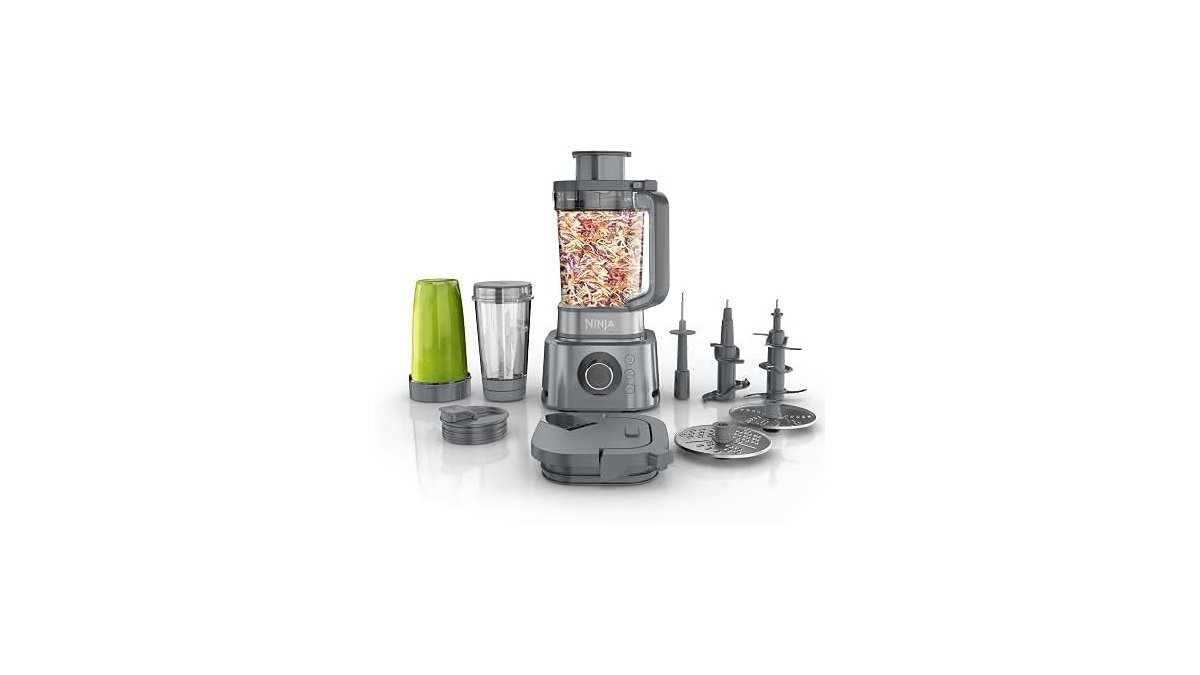

Most parts of a ninja food processor are dishwasher safe, but you must only place them on the top rack to avoid heat damage. The motor base and the gear assembly should never enter water, as these contain electronic parts that will fail if they get wet.
Table of Contents
Cleaning your Ninja food processor in the dishwasher
- Place only the bowls, lids, and blade assemblies on the top rack of your dishwasher.
- Keep the motor base strictly away from the sink and the dishwasher at all times.
- Set your dishwasher to a standard cycle with low heat to prevent the plastic from warping.
- Wash the blades by hand if you notice dulling, as harsh detergents can wear down the edges.
- Use a damp cloth to wipe the motor base clean after each use to remove food debris.
- Check your specific model’s manual on the official Ninja Kitchen website to confirm which parts are compatible with your machine.
Which Blender and Food Processor Is Best for Home Use
Why heat ruins processor parts?
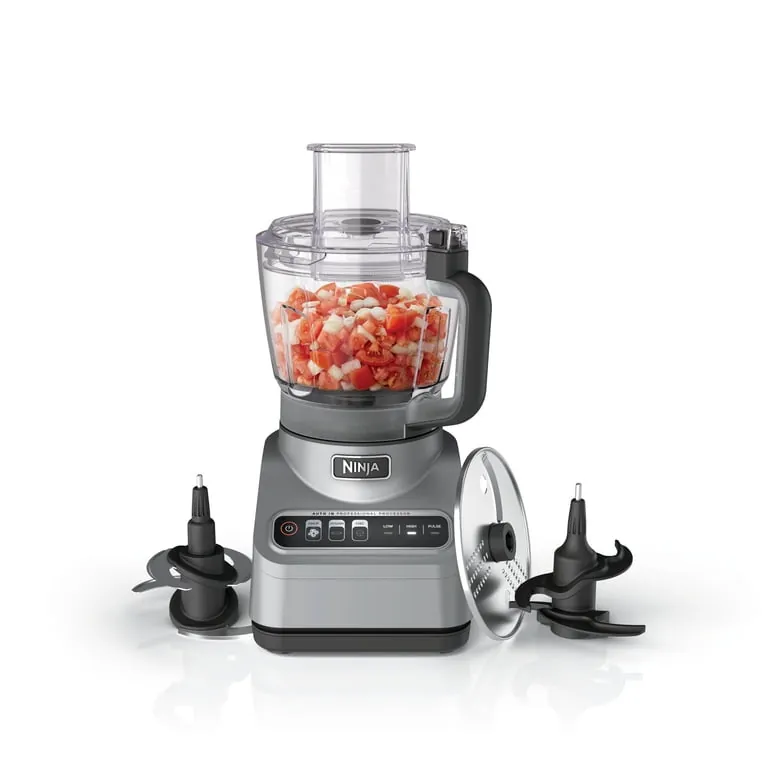
The plastic components of your food processor are designed for food preparation, not for the high temperatures found in a dishwasher. When you place these items on the bottom rack, they sit near the heating element, which can cause the plastic to melt or warp. This distortion prevents the lid from locking correctly, which is a critical safety feature for the machine to operate.
Furthermore, the sharp edges of the blades can be dulled by the abrasive action of dishwasher detergents. Keeping kitchen tools clean is essential for safety, but extreme heat can degrade the structural integrity of household plastics. If you notice a crack in your bowl or lid, stop using it immediately. A damaged container may leak or shatter under the pressure of the motor, posing a risk of injury. Always check for signs of wear before you start a task.
When the dishwasher isn’t an option?
Some parts of the system require manual cleaning to ensure they last as long as the motor itself. If you notice that your dishwasher cycle is leaving a white film on the plastic, this indicates that the water temperature or mineral content is too high for the material.
| Part | Cleaning Method | Why it changes |
|---|---|---|
| Motor base | Wipe with damp cloth | Electronics will short circuit |
| Gear lid | Hand wash only | Water traps inside the gears |
| Rubber seals | Remove and hand wash | Heat causes seals to shrink |
| Serrated blades | Hand wash only | Detergent dulls the metal edges |
| Scratched bowls | Hand wash only | Heat expands existing micro-cracks |
Keeping your machine in good shape
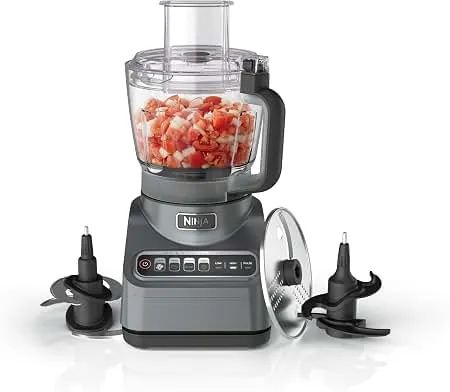
- Unplug the motor base before you begin cleaning any of the attachments.
- Twist the lid and bowl to unlock them, then remove the blades carefully by the plastic center post.
- Rinse the bowl and lid under warm water to remove large food particles before placing them in the dishwasher.
- Load the plastic parts on the top rack only, ensuring they don’t touch the heating element or other metal objects.
- Run a standard cycle without the “heated dry” setting to protect the plastic from unnecessary thermal stress.
- Dry all pieces completely with a soft towel before reassembling, as moisture trapped in the lid can lead to mold growth.
Mistakes that ruin your processor
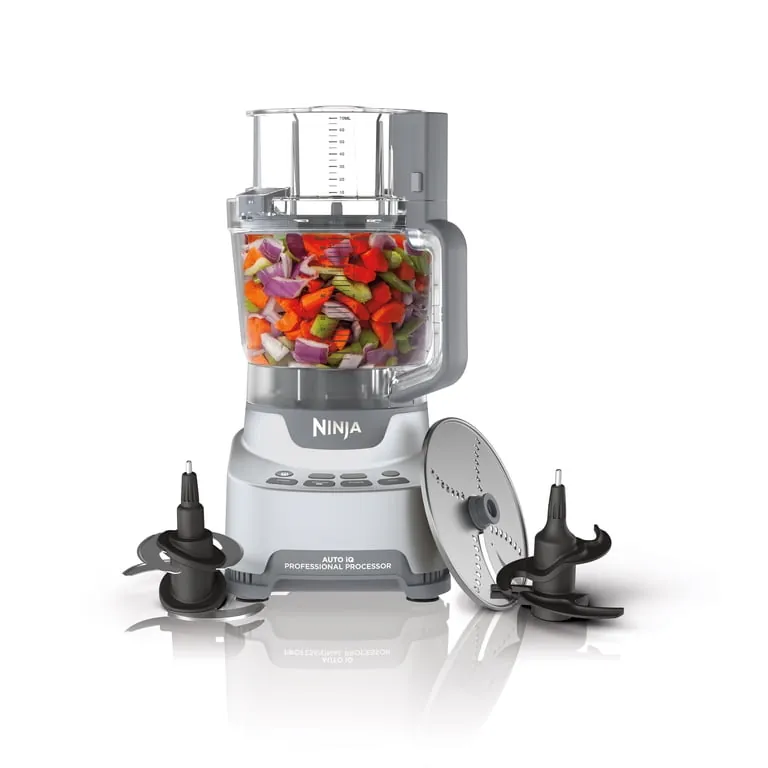
Submerging the motor base in water triggers an immediate short circuit that permanently fries the internal electronics.
High-heat dishwasher cycles warp the polycarbonate bowls, ruining the airtight seal required for the lid to engage the safety lock. If your machine refuses to start, check the bowl rim for subtle bowing that prevents the lid from clicking into the sensor.
Dried food acids act as a corrosive agent on stainless steel blades. Rinse components under warm water immediately after use to prevent pitting. If you see brown spots on the metal, the protective finish is already compromised.
Water trapped inside the gear-driven lid causes internal rust that eventually seizes the drive spindle. Always hand-wash these lids to ensure the seal remains intact.
Frequently asked questions
Can I put the ninja blades in the dishwasher?
Yes, you can put the blades in the dishwasher, but the Consumer Product Safety Commission suggests careful handling of sharp items to avoid cuts. Always place them on the top rack and ensure they’re secure so they don’t slide around. Hand washing is still the best way to keep the blades sharp over many years of use.
Why does my ninja bowl have a white film?
This film is usually caused by mineral deposits from hard water or the residue of harsh dishwasher detergents. If you see this, stop using the dishwasher for that part and switch to mild dish soap and a soft sponge. The heat from the dishwasher can bake these minerals into the plastic, making them permanent.
How do I clean the lid with the gear?
You must hand wash the lid that contains the gear assembly because it isn’t sealed against water immersion. Use a damp cloth with mild soap to wipe the exterior and use a small brush to clear food from the underside. Never submerge this lid in a sink or put it in the dishwasher.
Is it safe to use the heated dry setting?
No, you should avoid the heated dry setting because it creates temperatures that can warp the processor’s plastic. Most dishwasher manuals recommend a “normal” or “air dry” setting for plastics to prevent melting. If your dishwasher doesn’t have an air dry option, remove the parts before the drying cycle begins.
What happens if I wash the motor base?
Washing the motor base will cause the internal electrical components to short circuit and likely cause the unit to stop working permanently. The housing isn’t waterproof, and water will seep into the motor and the power cord connection. If this happens, don’t attempt to plug it in or use it; it’s no longer safe.
How long do the plastic parts last?
The plastic parts typically last for several years with proper care, but their lifespan depends entirely on how often you run them through a hot dishwasher. If you notice the plastic becoming cloudy or brittle, it’s time to replace the part. Always check the official website to ensure you’re buying a genuine replacement part for your specific model.
Conclusion
Taking care of your machine this way keeps it running smoothly for years to come. Before you start your next recipe, check your owner’s manual for any model-specific warnings you might’ve missed. You’ll be glad you did, as it’s the best way to keep your kitchen tools in perfect shape.
Leave a Reply