


A masticating juicer is better for leafy greens and long-term nutrient retention, while a centrifugal juicer is better for speed and convenience. Deciding between a masticating or centrifugal juicer depends on whether you value high-quality juice yield or a quick preparation process for your daily morning routine.
Table of Contents
Choosing between masticating and centrifugal juicers
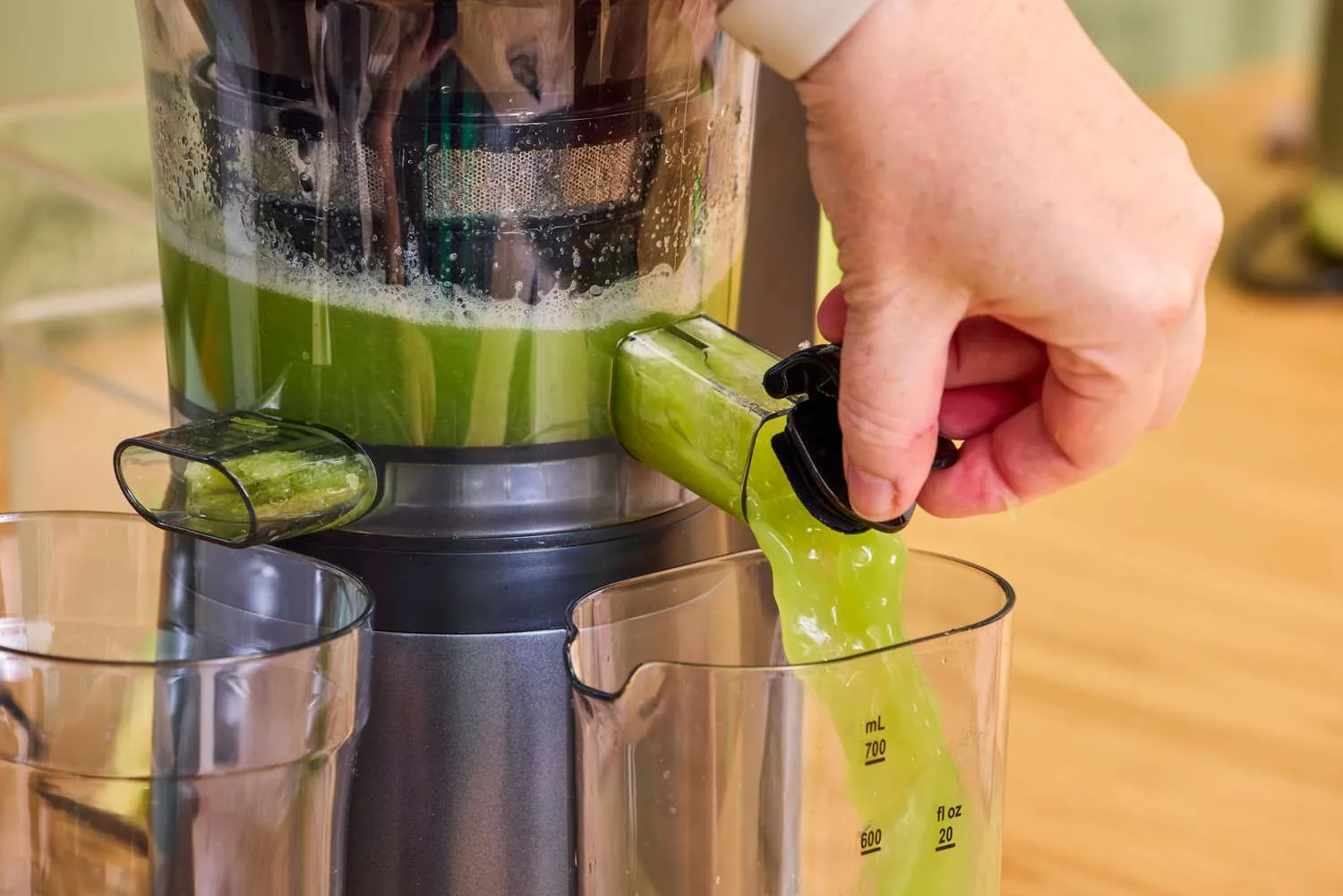
Choose a masticating juicer if you mostly process leafy greens like kale, spinach, or wheatgrass. These slow-turning augers extract significantly more liquid from fibrous cells than high-speed blades.
Pick a centrifugal model if you have less than three minutes to prep and clean. These machines use fast-spinning baskets that are easier to rinse, though they struggle to extract juice from delicate herbs.
If you primarily juice hard produce like apples or carrots, the centrifugal model is your best bet. It handles dense textures quickly without clogging.
Masticating models often cost twice as much as centrifugal ones. If you’re a casual juicer, the extra expense rarely pays for itself in yield.
Check your counter space before buying. Masticating units are typically heavier and occupy more room. If your kitchen has limited surface area, a compact centrifugal unit is the only practical choice. Always match the feed chute size to your produce to avoid unnecessary chopping.
What Are Easy Meal Replacement Smoothie Recipes
Why extraction methods change your juice?
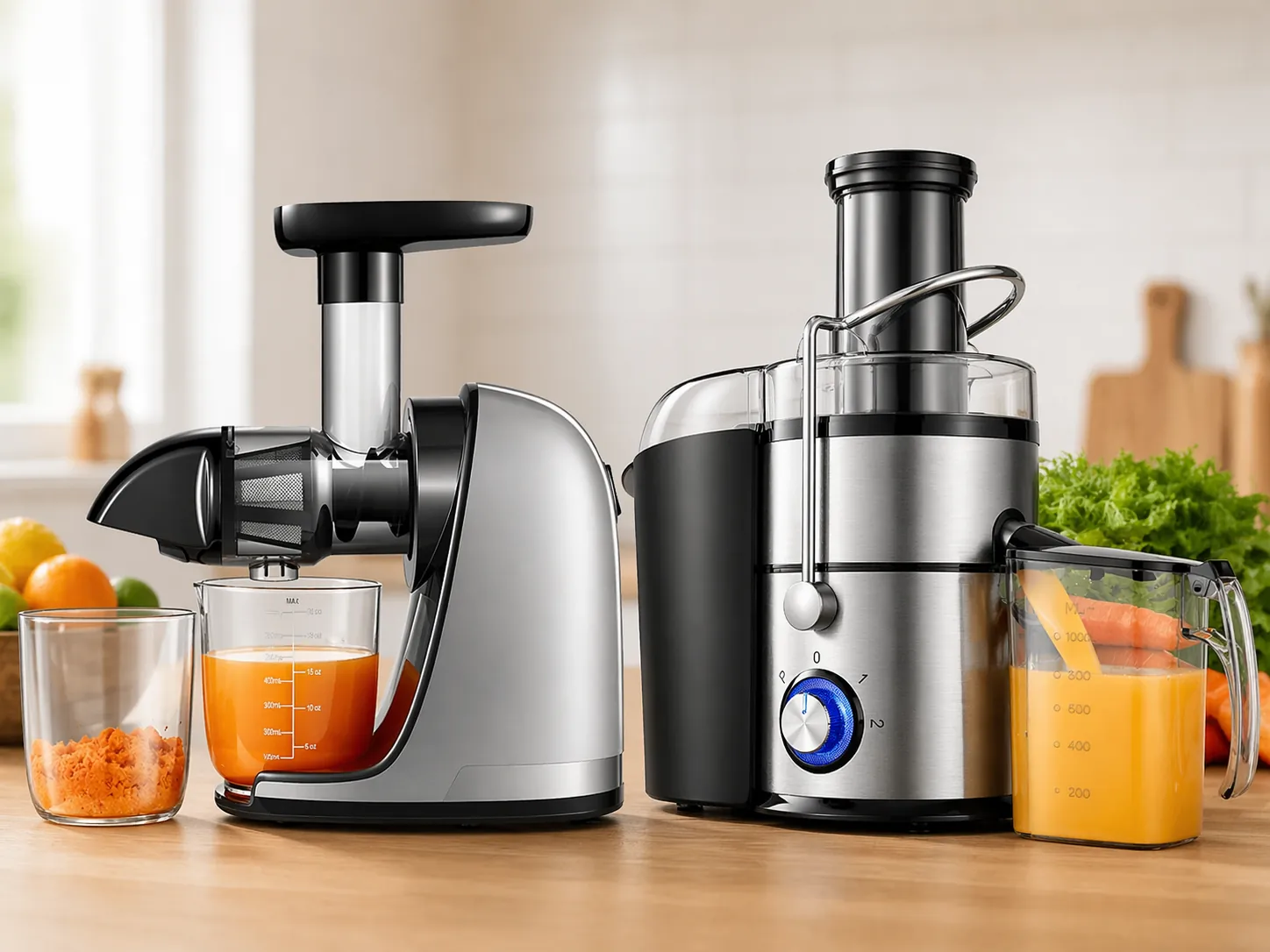
The main difference lies in the mechanism used to break down plant cell walls. Centrifugal juicers use a fast-spinning metal blade to shred produce, which then forces the liquid through a mesh screen using high-speed force. This rapid action introduces more oxygen into the juice, which can speed up the oxidation process.
Masticating juicers, often called slow juicers, use a single or double auger to crush and press fruits and vegetables at low speeds. This method produces less heat and introduces significantly less air into the final liquid.
Because of this, the juice typically stays fresh in the refrigerator for up to 72 hours, whereas centrifugal juice should ideally be consumed within 20 minutes of preparation. If your priority is preparing large batches for the week, the slow-press method is the superior choice for maintaining flavor and color consistency.
Comparing juicing scenarios
When you need to decide between these two types, your daily schedule and produce choices are the most important factors.
| Situation | What changes | What to do instead |
|---|---|---|
| High-volume juicing | Heat buildup | Use a masticating juicer |
| Busy mornings | Prep speed | Choose a centrifugal model |
| Leafy greens only | Yield efficiency | Buy a masticating unit |
| Limited budget | Purchase price | Select a centrifugal model |
| Large families | Cleaning time | Pick a centrifugal model |
How to use your juicer properly?
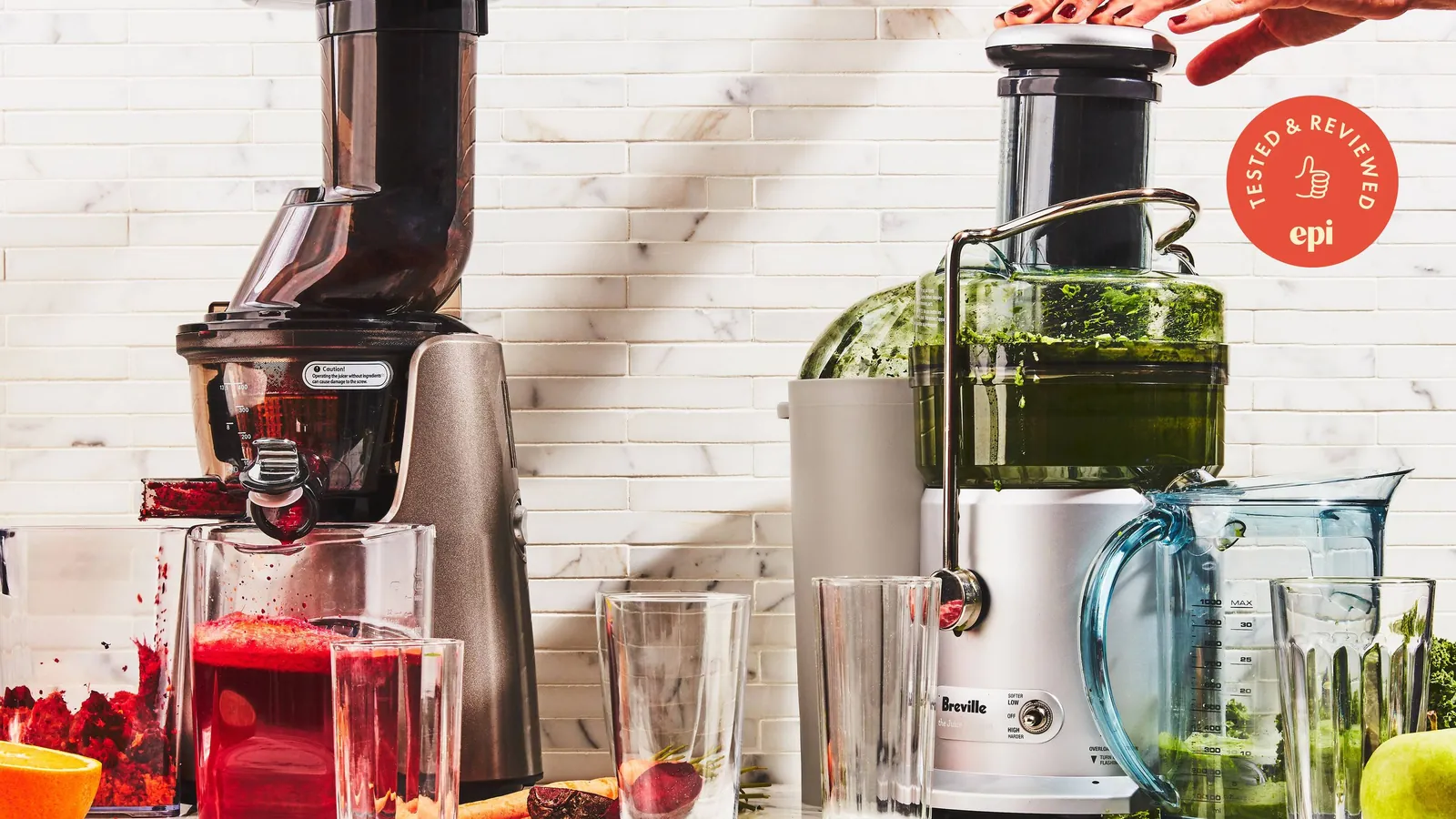
- Wash all produce thoroughly under cold running water to remove dirt. The Food and Drug Administration suggests using a clean produce brush for firm items like melons or cucumbers.
- Chop your fruits and vegetables into pieces that fit comfortably into the feed chute. For masticating models, pieces about 1 inch wide work best to prevent the auger from jamming.
- Turn the machine on before adding any produce to ensure the motor reaches its full speed. This prevents the initial load from stalling the blades or the auger gear.
- Feed produce into the chute using the included plastic plunger. Apply steady, light pressure for masticating models, but push firmly and quickly when using a high-speed centrifugal unit.
- Place a container under the spout to catch the juice. If you’re using a centrifugal unit, place a separate bowl under the waste chute to collect the pulp.
- Clean all removable parts immediately after use. Dried pulp becomes hard to remove, and leaving residue in the mesh screen can block airflow and reduce the efficiency of future batches.
The mistakes that ruin your juice
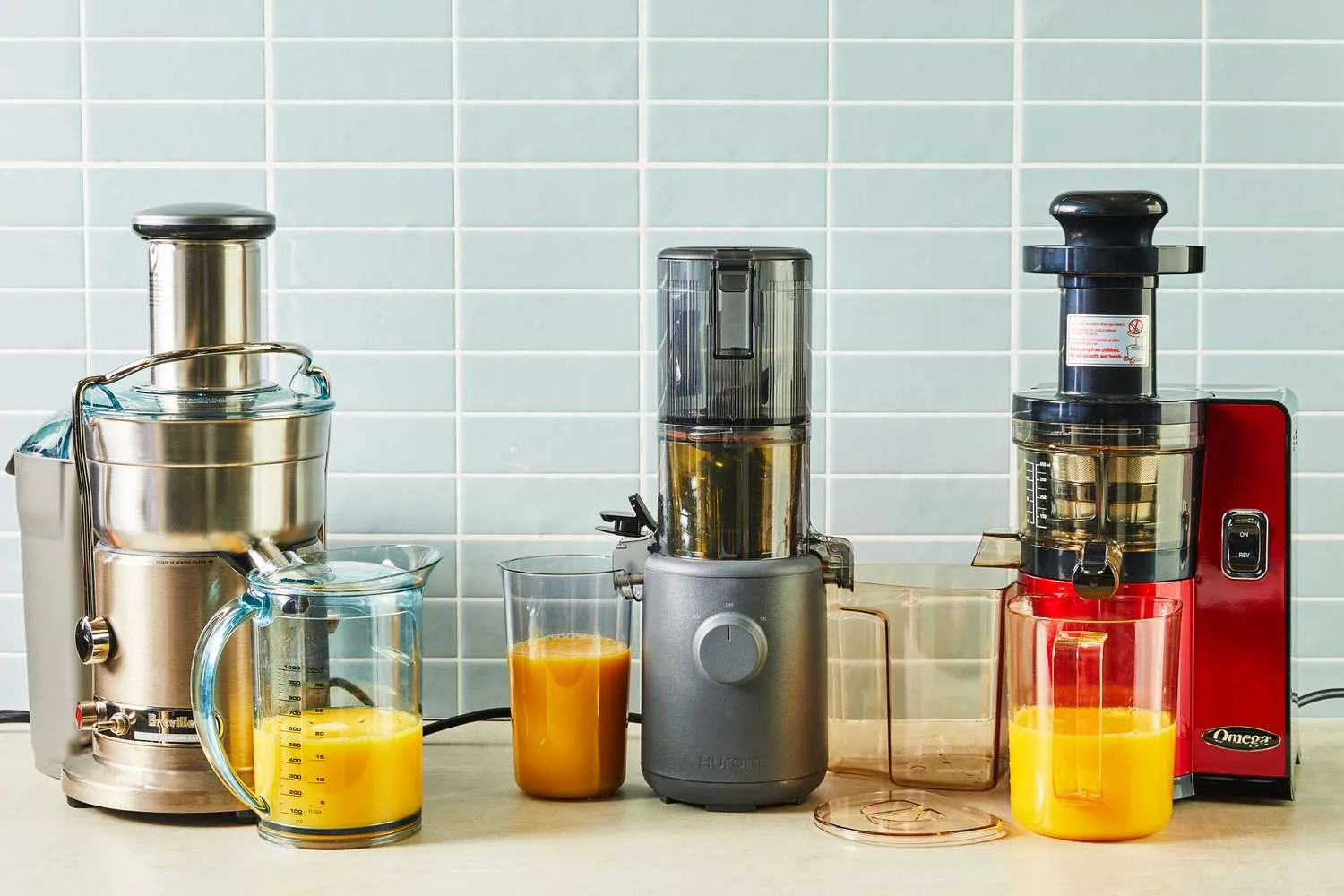
- Pushing produce too hard into a centrifugal chute causes the machine to vibrate and may force chunks through without juicing.
- Using only soft fruits like berries in a masticating juicer creates a thick puree instead of juice, which often clogs the internal screen.
- Failing to clean the mesh basket after every use ruins the juice quality by leaving old, oxidized particles in your next drink.
- Running a machine for more than 20 minutes at once can overheat the motor, which shortens the lifespan of your appliance.
Frequently asked questions
Can I juice wheatgrass in a centrifugal juicer?
No, a centrifugal juicer isn’t effective for wheatgrass because the blades spin too fast to extract liquid from the thin, fibrous stalks. You’ll get almost no yield from greens using this method. Use a manual or electric masticating juicer to get a high yield from wheatgrass.
How long does fresh juice last in the fridge?
Fresh juice lasts up to 72 hours when made with a masticating juicer, but only about 20 minutes if made with a centrifugal model. Oxidation happens faster in centrifugal juice because the high-speed blades incorporate more air. Always store your juice in an airtight glass container to keep it fresh.
Is it safe to juice the peels of all fruits?
It’s safe to juice most peels if you wash them thoroughly, but you should remove thick rinds from citrus fruits like oranges and grapefruits. The National Center for Home Food Preservation notes that essential oils in citrus peels can be bitter and may cause stomach irritation.
Does the speed of the motor affect nutrient content?
Yes, the lower speed of a masticating juicer minimizes heat and oxidation, which helps preserve more enzymes and vitamins. Centrifugal juicers generate more heat due to high-speed friction, which can slightly degrade heat-sensitive nutrients. If you want maximum nutritional density, the slower extraction method is the better choice.
What happens if the juicer starts to smoke?
Stop using the juicer immediately if you see smoke or smell burning plastic. This indicates an electrical fault or a severely jammed motor that’s overheating. Unplug the device and contact the manufacturer’s customer support line; never attempt to open the motor housing yourself, as this voids your warranty.
Does it matter which brand I buy?
It matters more that you choose the right type of machine for your ingredients rather than the brand. Check the user manual for the specific weight capacity of the feed chute before you buy. Most models list their recommended daily usage limits on their official product specification page.
Conclusion
Think about your typical morning schedule and how much time you’re willing to spend cleaning up. If you’re ready to prioritize health, start by checking out a few local stores to see these machines in person. You’ll soon find the perfect fit that’ll make your daily habit feel like a real treat.
Leave a Reply