
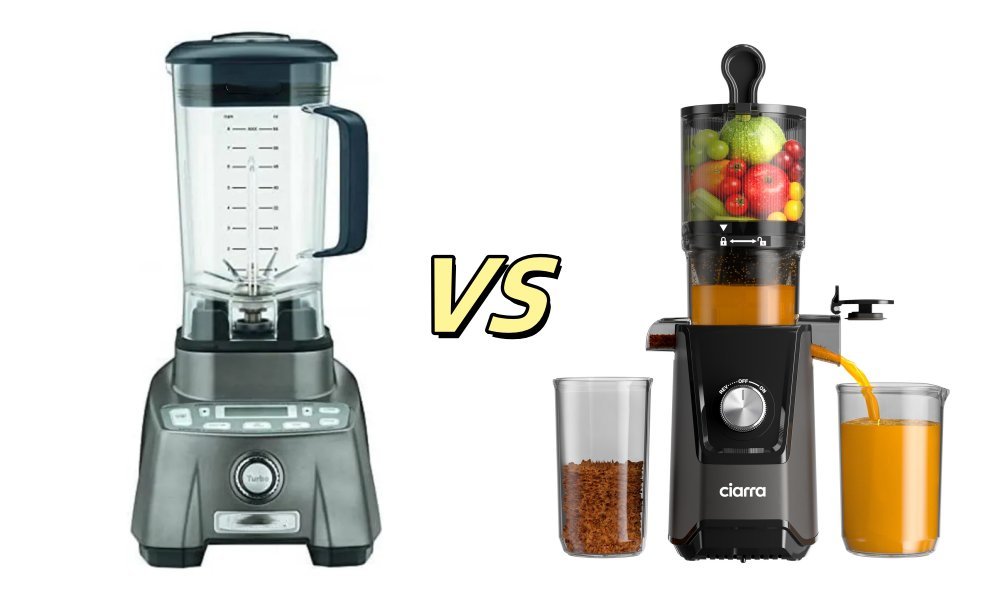

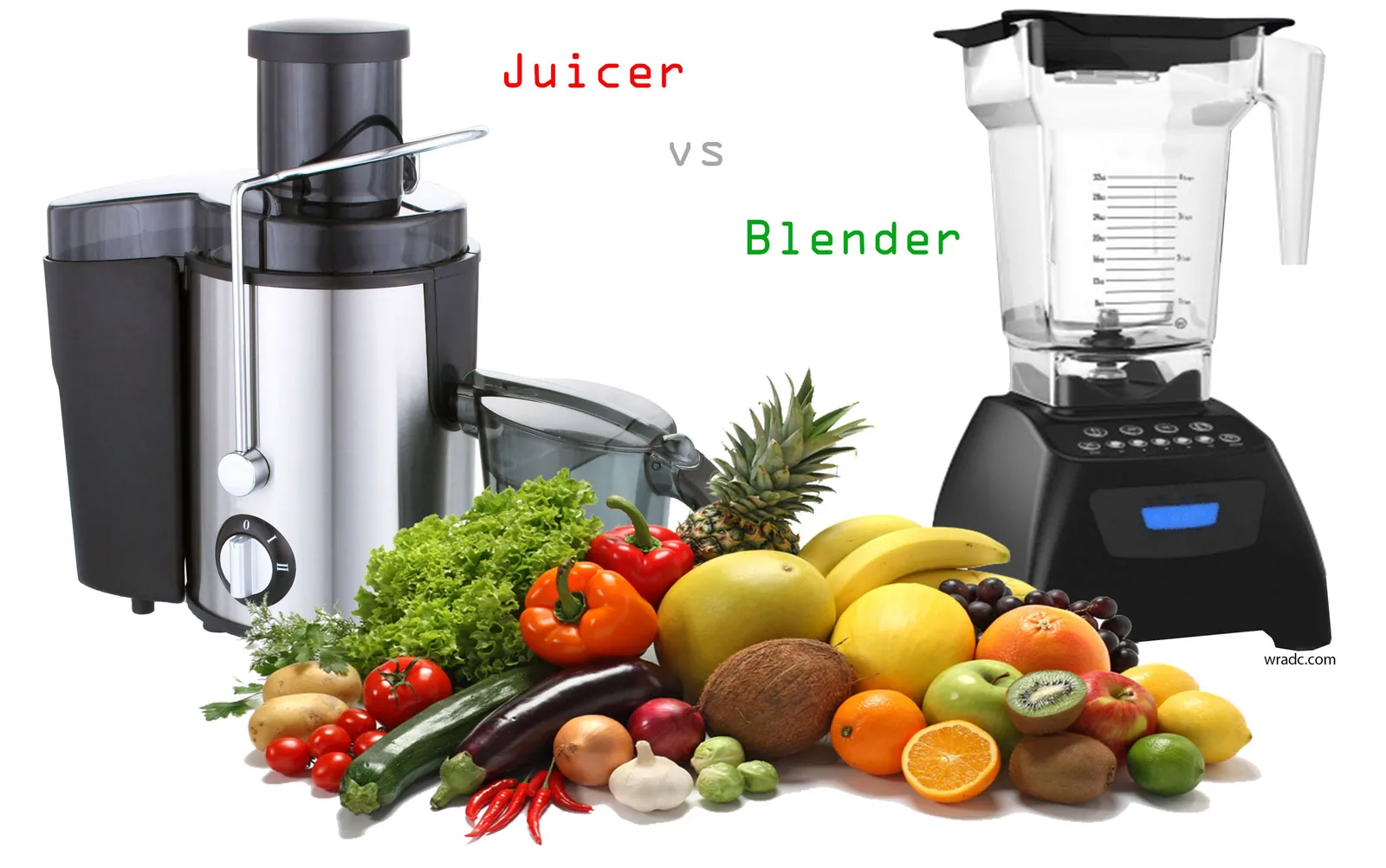
A blender is generally healthier than a juicer because it keeps the fiber from fruits and vegetables in your drink. While a juicer vs blender which is healthier debate often ignores fiber, keeping the skin and pulp helps you feel full longer and slows down the absorption of natural sugars into your blood.
Table of Contents
Comparing juicer vs blender for a healthier drink
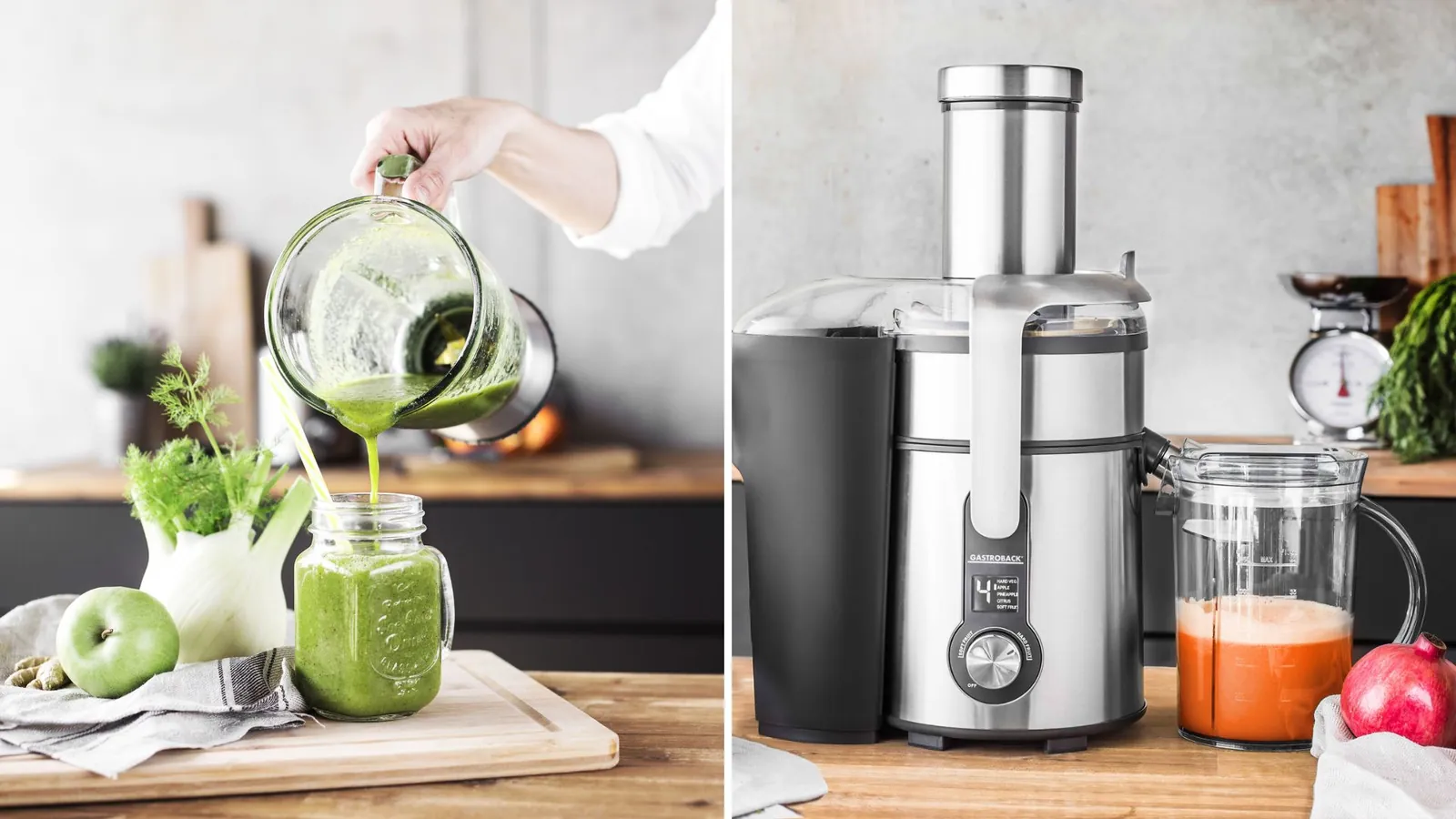
When you use a blender, you consume the entire fruit or vegetable, including the fiber-rich pulp. Juicers work by separating the liquid from the fiber, which leaves you with a concentrated drink that lacks the structural components of the produce. This difference is vital for your daily nutrient intake.
The Dietary Guidelines for Americans from the USDA emphasize that fiber helps maintain healthy cholesterol levels and supports proper bowel function. By blending, you ensure that you don’t strip away these necessary parts of your plants. Juicing is better for people who have trouble digesting large amounts of fiber, but for most, blending is the superior choice for overall health.
| Feature | Blending | Juicing |
|---|---|---|
| Fiber content | Retains all fiber | Removes most fiber |
| Sugar absorption | Slower | Faster |
| Satiety | High fullness | Low fullness |
| Prep time | Fast | Slower (clean-up) |
| Nutrient density | High | High (liquid only) |
Why blending supports better digestion?
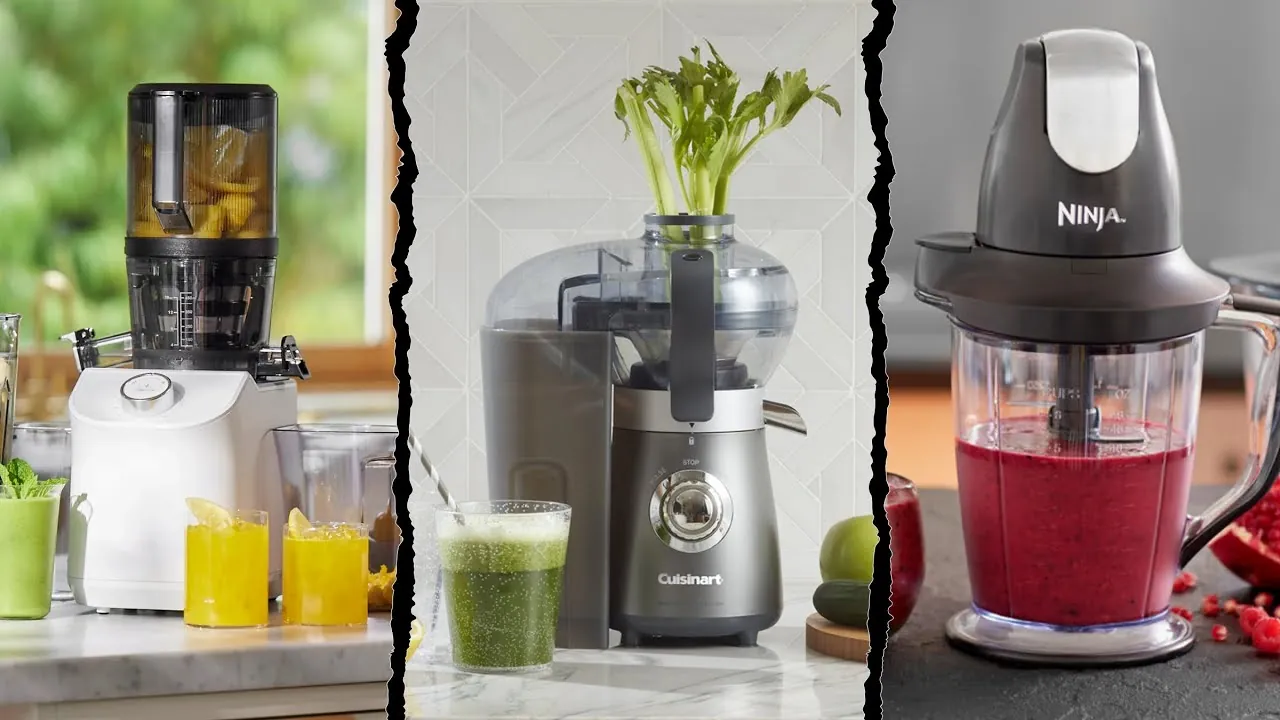
Blending retains the cellular structure of plants, which provides a more consistent release of energy. When you remove fiber through juicing, the liquid reaches your bloodstream quickly, which can cause sharper spikes in blood glucose. Fiber acts as a buffer that manages this process effectively.
The American Heart Association notes that eating whole fruits and vegetables provides the best nutritional benefit. Because a blender processes the skin and seeds, you get the antioxidants and phytochemicals often discarded during the juicing process. If you want to maximize your health, treat a blender as your primary tool for daily smoothies.
Which Cold Press Juicer Offers the Best Value
When the answer is different?
Sometimes, your health goals or physical needs change which method is best. If you have specific medical requirements, you might need to adjust your approach.
| Situation | What changes | What to do instead |
|---|---|---|
| Sensitive stomach | Fiber causes pain | Use a juicer |
| Nutrient absorption | Need quick energy | Choose fresh juice |
| Weight loss | Need high satiety | Stick to blending |
| Busy schedule | Time is limited | Use a blender |
| Dental issues | Chewing is difficult | Use a juicer |
How to prepare healthy drinks?
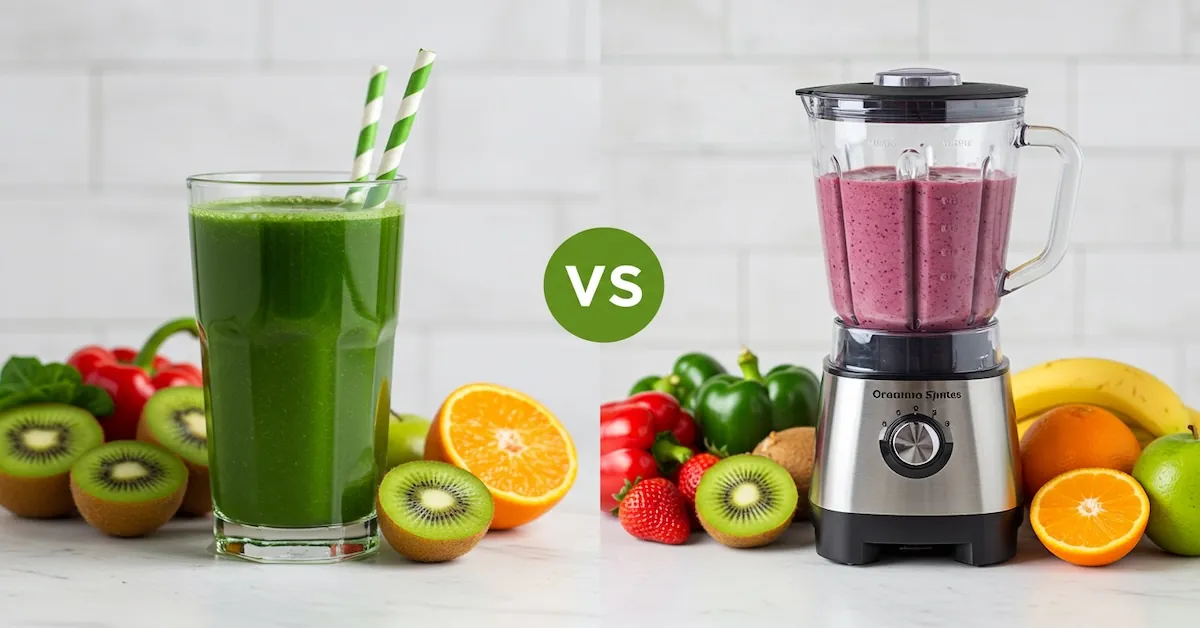
- Wash all produce thoroughly under cool running water to remove dirt and bacteria before you start.
- Peel tough skins like those on citrus or melons if your blender struggles to break them down.
- Add 1 cup of liquid base, such as water or unsweetened almond milk, to help the blades move.
- Place 2 cups of chopped leafy greens or hard vegetables at the bottom near the blades.
- Add 1 cup of soft fruits or berries on top of the greens to ensure even processing.
- Blend on the highest speed for 45 seconds until the texture is completely smooth and creamy.
- Drink your smoothie immediately to get the best flavor and preserve the highest nutrient content.
Which Slow Masticating Juicer Is Best for Leafy Greens
Common mistakes that ruin your results
Adding too much honey or sugar turns a healthy drink into a high-calorie dessert. Limit sweeteners to one teaspoon per serving to keep the caloric impact negligible.
Using only fruit instead of vegetables removes the balanced nutrition your body needs. Aim for a ratio of two parts greens to one part fruit to prevent blood sugar spikes.
Letting the drink sit for hours causes oxidation, which changes the taste and nutrient profile. If you can’t consume it immediately, store the liquid in an airtight glass container filled to the brim to minimize air exposure.
Cleaning the blender poorly allows bacteria to grow in the crevices around the blade. Always blend a drop of dish soap and warm water for thirty seconds immediately after use.
Ignoring the manufacturer’s manual can lead to motor burnout. If the blades struggle to rotate, add a half-cup of liquid before forcing the machine to run.
Frequently asked questions
Does juicing remove all the vitamins?
No, juicing doesn’t remove all vitamins, but it removes the fiber that helps your body process them. While the liquid contains many water-soluble vitamins, you lose the benefits of the plant’s structural fiber. You still get nutrients, but the drink is less balanced than a whole-food blend.
Is it safe to drink juice every day?
Yes, it’s safe, but you should treat it as a treat rather than a meal replacement. The National Institute of Diabetes and Digestive and Kidney Diseases explains that balanced meals are essential for long-term health. If you drink juice daily, ensure you’re still eating enough whole vegetables to hit your fiber goals.
Can I lose weight by juicing?
You can lose weight, but only if you’re in a calorie deficit. Juicing often results in consuming fewer calories per glass than a meal, but the lack of fiber means you’ll likely feel hungry shortly after. Blending is usually more effective for weight loss because the fiber keeps you full.
Does blending destroy nutrients?
No, blending doesn’t destroy nutrients, though it does expose the ingredients to air. This process, called oxidation, happens in both blenders and juicers.
How long do smoothies last in the fridge?
Smoothies last for about 24 hours in the fridge if stored in an airtight container. The quality and nutrient density will drop over time, so it’s best to consume them fresh. If you must store them, fill the container to the top to reduce the amount of air inside.
Does it matter if I use frozen fruit?
No, it doesn’t matter for your health, as frozen fruits are usually picked and frozen at peak ripeness. They retain their nutritional value just as well as fresh fruit. Using frozen fruit also gives your drink a better, thicker texture without needing to add ice, which can water down the flavor.
Conclusion
Choosing between a blender and a juicer depends on whether you prioritize fiber and satiety or quick nutrient absorption. For the vast majority of people, the blender is the better tool for daily health because it keeps the whole fruit or vegetable intact. If you find yourself struggling with digestion or needing a rapid energy boost, a juicer can be a useful occasional supplement to your diet.
Leave a Reply